Family Sues Mato Grosso City Hall for Housing After Rain, Construction Damage
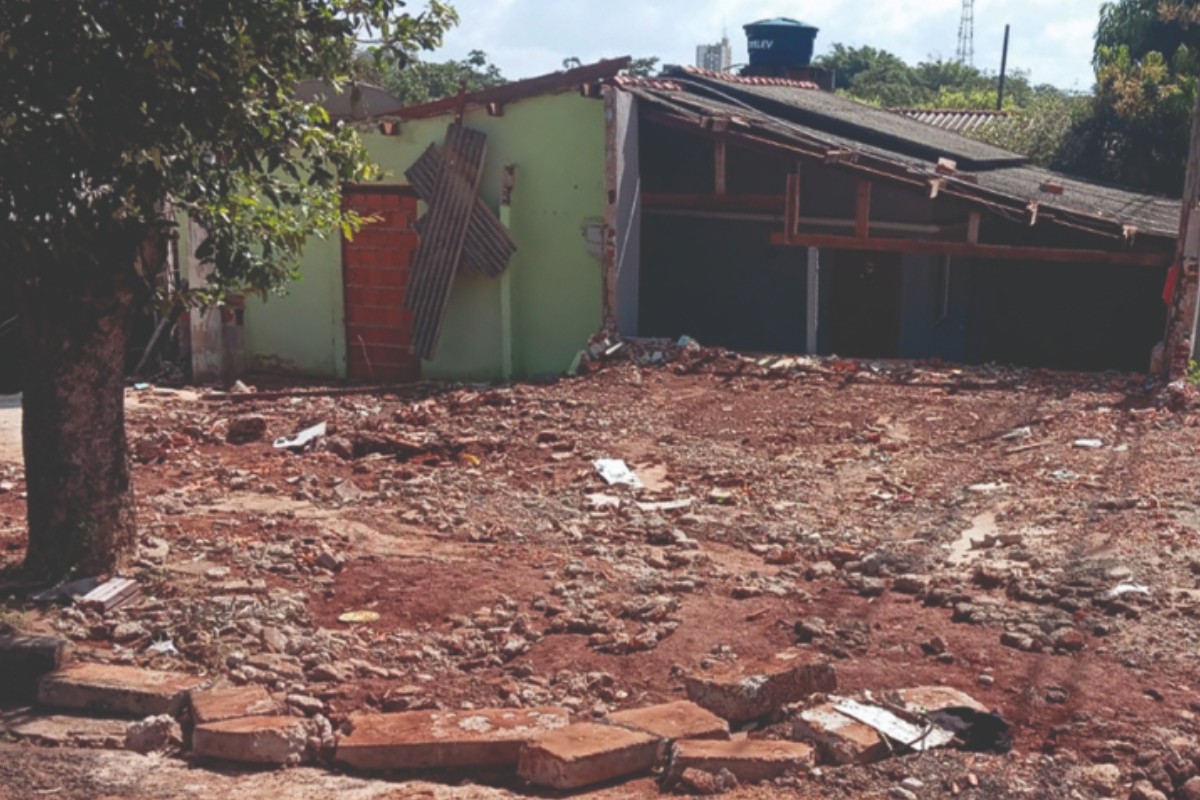
A family in Tangará da Serra, Mato Grosso, has filed a lawsuit against the city hall seeking temporary housing and financial assistance after their home was severely damaged by flooding. The flooding, which occurred in June, is attributed by the family to construction work carried out by the municipality on an adjacent property. According to the lawsuit, the demolition of a neighboring building damaged the separating wall and removed the curb, leading to rainwater inundation of their residence. The family, including a 38-year-old manicurist, her two daughters aged 18 and 14, and a 1-year-old granddaughter, has lived in the home for 15 years and had never experienced flooding before. The Civil Defense department has confirmed that the property is no longer safe for habitation. The family lost most of their furniture and appliances. They temporarily stayed in a commercial property but were forced to leave. Currently, they are relying on donations from the community for food, furniture, and reconstruction aid. The Public Defender's Office filed the urgent request, asking the court to compel the city to provide immediate temporary lodging, institutional support, a public housing unit, or sufficient rental assistance.
This situation highlights a critical intersection of urban development, climate vulnerability, and social welfare provision. The legal action underscores the potential for municipal infrastructure projects to inadvertently exacerbate environmental risks, particularly in areas with inadequate drainage or structural integrity. The family's reliance on community donations and their inability to secure stable temporary housing point to gaps in emergency response and social safety nets. Future urban planning in Tangará da Serra, and similar municipalities, should integrate climate resilience measures and robust contingency plans for displaced residents, ensuring that development does not compromise existing housing stock or create new vulnerabilities. The case also raises questions about accountability and the timely provision of essential services when municipal actions lead to resident displacement and property damage.
AI-generated to prompt reflection — not editorial opinion, not advice, not a statement of fact. How this works.