Family trapped in Sertãozinho Christ the Redeemer monument elevator
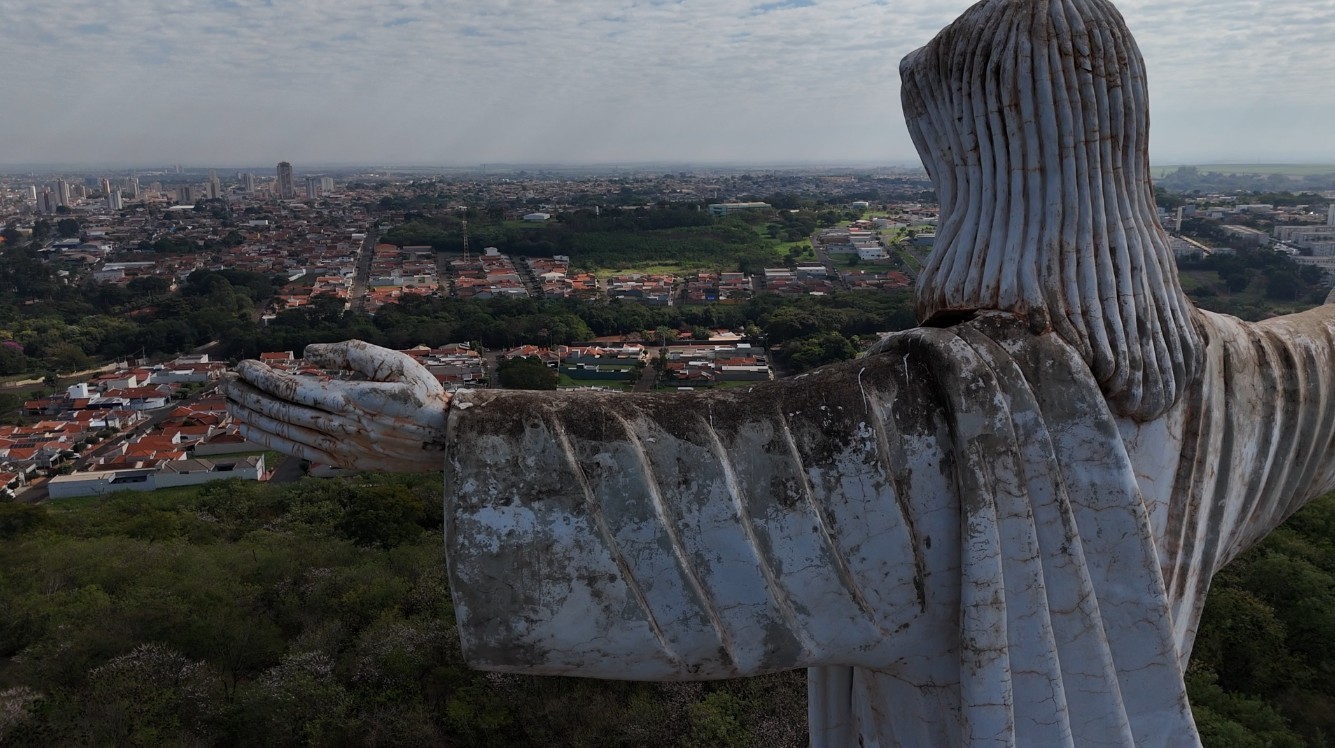
A family experienced a tense 30-minute ordeal after becoming trapped in the elevator of the Christ the Redeemer monument in Sertãozinho, São Paulo, on Friday, October 3rd. Retired 65-year-old Gentil Ferreira da Silva was with his wife, one-year-old granddaughter, a friend from São Paulo, and the friend's teenage son when the incident occurred. The monument, standing 57 meters tall, features an elevator that reportedly stopped abruptly after a strong jolt, despite a sign indicating maintenance on the third floor. The group was traveling to the sixth floor when the elevator malfunctioned. Attempts to signal for help using the elevator's call button, intercom, and other buttons were unsuccessful, as these systems failed to operate. Fortunately, they had cell phone signal and were able to call for assistance. Gentil's daughter, Giovana Lucas de Souza Prats, received the distress call and contacted the police, rushing to the scene with her husband. Her primary concern was her young daughter, who was inside the elevator without her usual supplies like water and milk. Municipal guards and residents eventually managed to open the elevator door using tools. The municipal secretary of Culture and Tourism, José Adilson dos Santos, stated that the city contracts a company for monthly maintenance of the elevator, noting this was the second such incident this year. The company was called, performed technical adjustments, and the elevator resumed operation. The secretary suggested the impact might have caused the emergency system failure but did not provide a specific technical cause.
The incident highlights potential systemic vulnerabilities in public tourist attractions, particularly concerning elevator safety and emergency communication systems. While the municipality has a maintenance contract, the recurrence of issues and the failure of emergency signaling suggest a need for a review of maintenance protocols, response times, and the robustness of backup communication methods. The reliance on personal mobile phones for distress calls underscores a broader societal dependence on technology that can be precarious during infrastructure failures. Future considerations should include redundant safety mechanisms and more resilient communication channels to ensure public safety in such scenarios, especially when vulnerable individuals like infants are involved.
AI-generated to prompt reflection — not editorial opinion, not advice, not a statement of fact. How this works.