Famous Bronze Age Figure Reidentified as Female, Role as Shaman Questioned
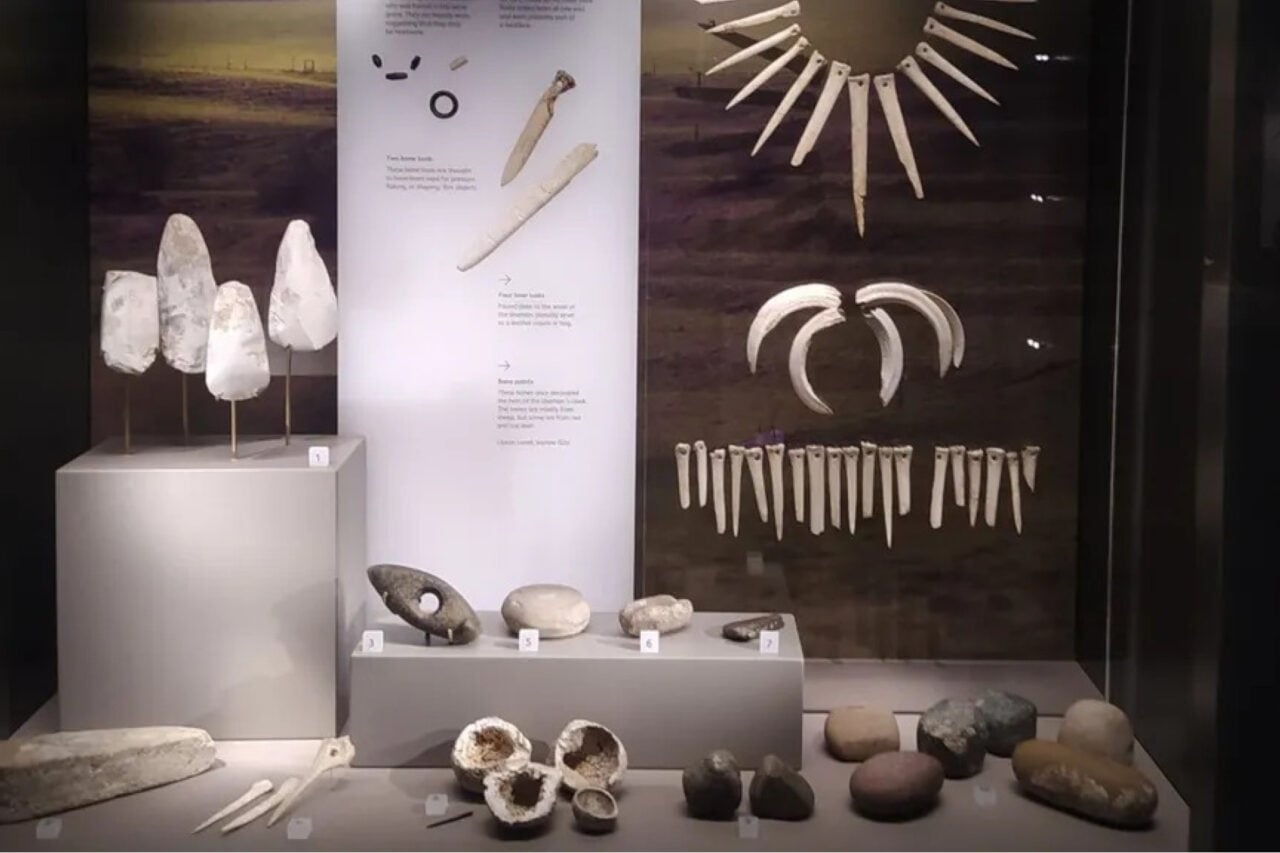
Archaeologists have re-examined a well-known Bronze Age figure, previously identified as male and believed to be a shaman. New analysis suggests this individual was actually female. Furthermore, the evidence supporting the shamanistic role is now being questioned. This reevaluation stems from updated scientific understanding and analytical techniques applied to the artifact. The figure, a significant find from the Bronze Age, has long been a subject of study and popular fascination. The initial interpretation of the figure's gender and societal role has been a cornerstone of previous research. This revision highlights the dynamic nature of archaeological interpretation and the potential for new discoveries to reshape our understanding of the past. The implications of this finding could extend to broader discussions about gender roles and religious practices in Bronze Age societies. Further research may be needed to fully understand the individual's true identity and societal function. The artifact's context and associated findings will likely be revisited in light of this new gender identification.
This reevaluation of a prominent Bronze Age artifact underscores the evolving nature of archaeological interpretation, driven by advancements in analytical methods and a critical reassessment of historical assumptions. The shift in gender identification from male to female, alongside questioning the shamanistic role, prompts a broader consideration of how societal biases and interpretive frameworks can influence our understanding of past cultures. This situation invites reflection on the importance of rigorous, evidence-based analysis and the potential for future discoveries to continually refine our historical narratives. It highlights the need for ongoing scientific scrutiny to ensure that our reconstructions of ancient societies are as accurate and nuanced as possible, moving beyond potentially ingrained preconceptions.
AI-generated to prompt reflection — not editorial opinion, not advice, not a statement of fact. How this works.