Fan Usage: When to Turn Off Your Fan for Effective Cooling
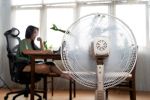
Fans are a common and accessible method for many people to cool down. However, their effectiveness in cooling or potentially heating the body is not solely dependent on the ambient temperature. The way a fan operates influences whether it provides a cooling sensation or contributes to warming the body. This distinction is crucial for optimizing comfort during warmer weather. Understanding the conditions under which a fan is most beneficial is key to using it efficiently. Factors beyond just the temperature play a significant role in how a fan impacts perceived coolness. Therefore, users should be aware of these nuances to maximize the benefits of their fans. Proper usage can prevent the fan from becoming counterproductive in its cooling efforts. This insight helps in making informed decisions about fan operation.
The utility of fans for personal cooling is contingent on environmental factors beyond simple temperature readings. While fans can enhance evaporative cooling by increasing airflow over the skin, their effectiveness diminishes and can even reverse in extremely hot and humid conditions where they may recirculate warm air. This highlights a systems-level consideration: personal comfort devices are often optimized for specific operating envelopes. Future climate scenarios may necessitate a more nuanced understanding of such devices, moving beyond basic temperature thresholds to incorporate humidity and air recirculation dynamics. This encourages a more adaptive approach to personal climate control, aligning with evolving environmental pressures.
AI-generated to prompt reflection — not editorial opinion, not advice, not a statement of fact. How this works.
