Far-right and genocidal figures now lead reform politics: Hasnat Kayum
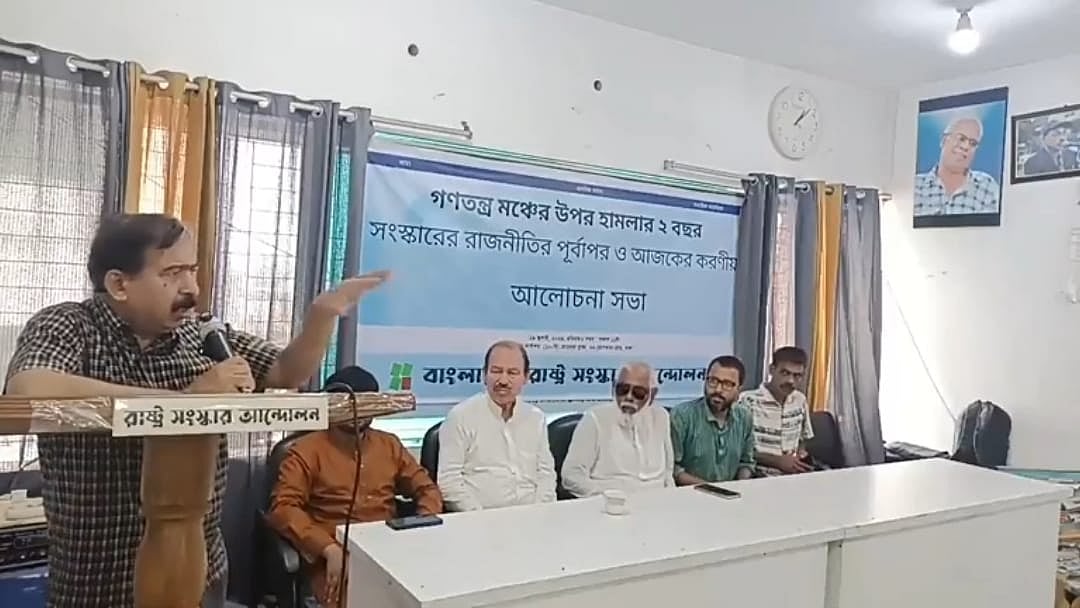
Hasnat Kayum stated that a strong third force, named 'Ganatantra Mancha Plus', was developed outside the BNP and Jamaat alliance over the past year. He indicated that figures associated with the far-right and genocide are now spearheading reformist politics. Kayum's remarks suggest a significant shift in the political landscape, where previously marginalized or condemned groups are now taking on leadership roles in movements advocating for change. The formation of 'Ganatantra Mancha Plus' aimed to provide an alternative to the established political parties, but its leadership now appears to be co-opted by elements previously considered extreme. This development raises questions about the true nature of the reform agenda being pursued and the potential implications for democratic processes.
The assertion that far-right and genocidal figures are now leading reform politics suggests a potential co-option or strategic repositioning of political movements. This phenomenon can arise from various factors, including the search for broader appeal, the exploitation of societal discontent, or a calculated effort to legitimize extremist ideologies under the guise of reform. The development highlights the complex dynamics of political transitions, where established norms and historical accountability can be challenged. Understanding the incentives driving such shifts is crucial for assessing the long-term implications for governance and societal stability, particularly in the context of evolving geopolitical landscapes and the increasing influence of digital communication platforms.
AI-generated to prompt reflection — not editorial opinion, not advice, not a statement of fact. How this works.