Farmed Salmon Consumption Threatens Wild Fish Stocks, Aquaculture Impacts Highlighted
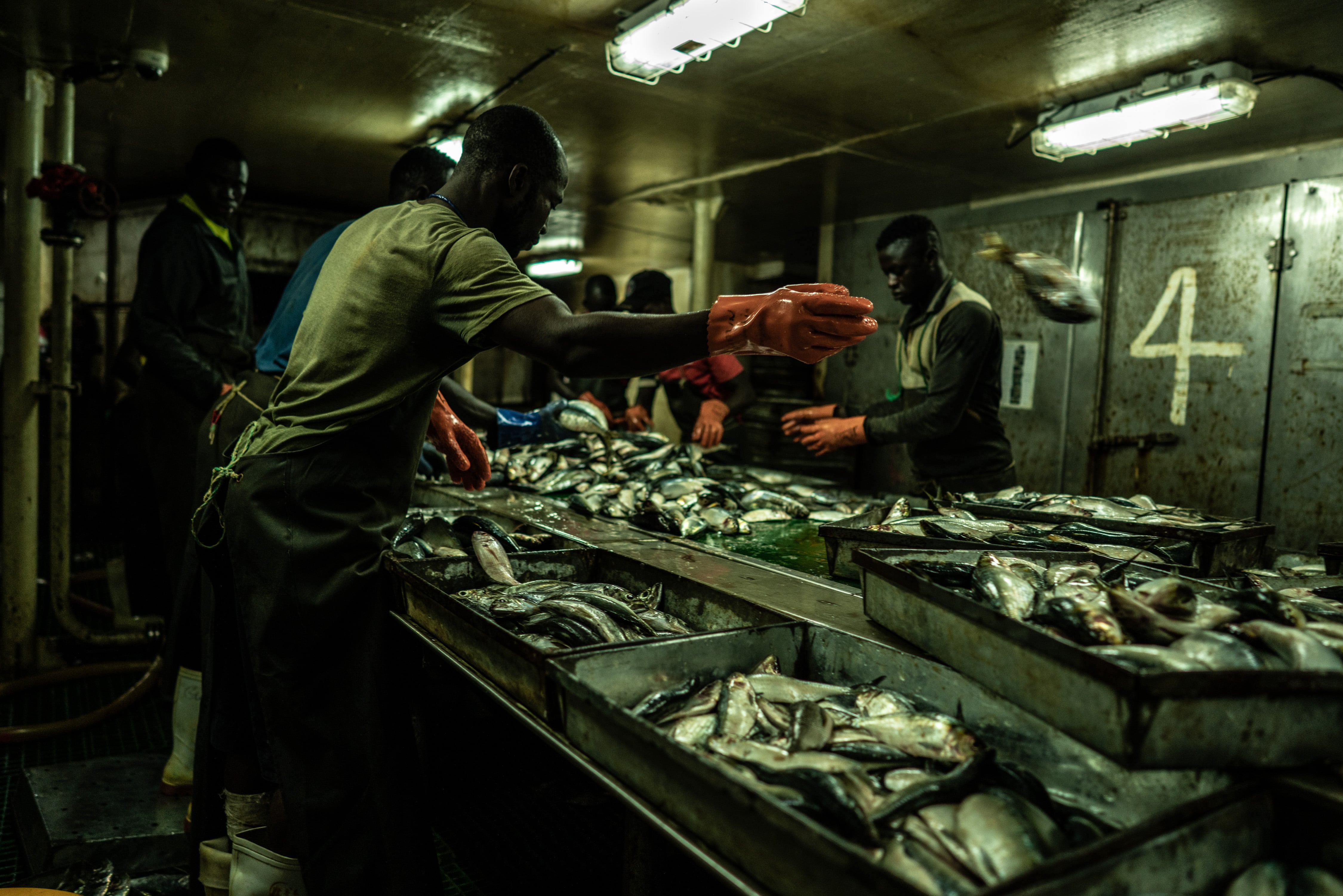
Aquaculture practices, particularly those involving farmed salmon, are placing a significant strain on wild fish populations. It is estimated that a single farmed salmon can consume more than six times its own body weight in wild-caught fish. This high demand for feed is a major concern for marine ecosystems. Furthermore, the production of fishmeal, a key ingredient in aquaculture feed, often originates from foreign countries. In these supplying nations, the process of producing aquaculture inputs is reportedly causing severe social impacts. Spanish fish farms, for instance, rely heavily on imported fishmeal, indicating a global dimension to the environmental and social consequences of intensive fish farming.
The intensive farming of salmon reveals a critical dependency on wild-caught fish for feed, creating a potential ecological feedback loop where aquaculture's growth directly depletes the very resources it needs. This highlights a systemic challenge in sustainable food production, where the efficiency gains of farming may be offset by the environmental and social costs incurred in sourcing feed ingredients. Future governance of aquaculture will likely need to address these supply chain vulnerabilities and externalities to ensure long-term viability and mitigate broader ecosystem impacts.
AI-generated to prompt reflection — not editorial opinion, not advice, not a statement of fact. How this works.