Farmer Donates Farmland and House to Temple in Rajasthan
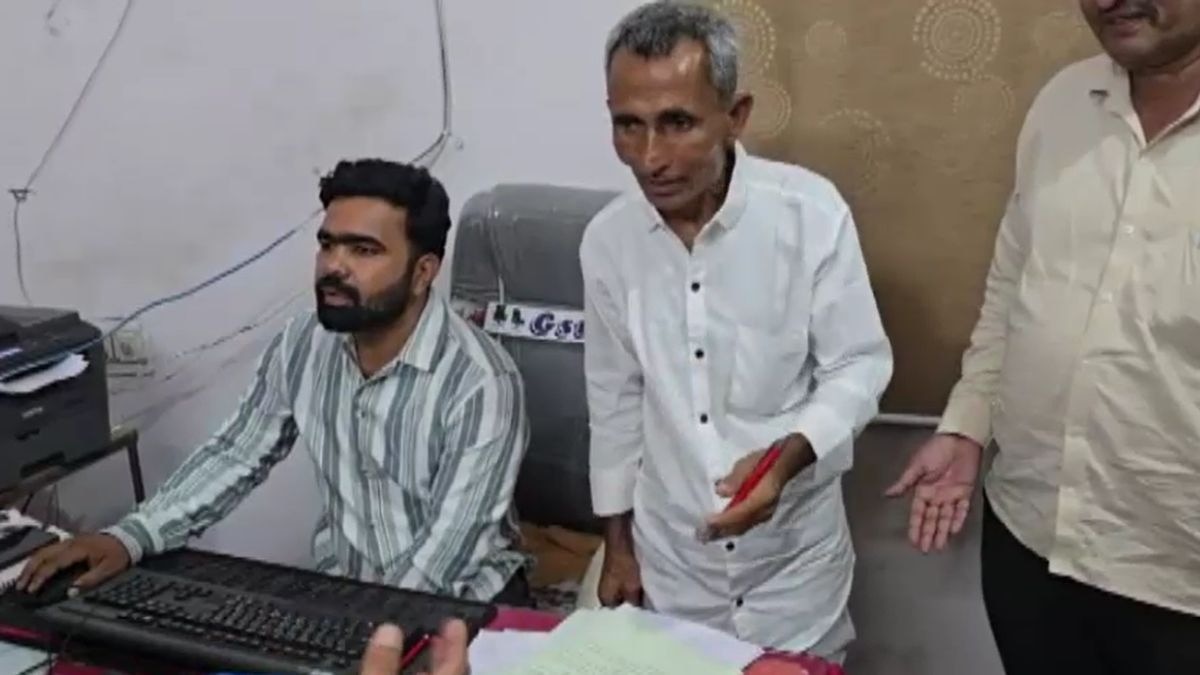
In a unique act of devotion, a farmer in Chittorgarh, Rajasthan, has dedicated his agricultural land and a two-story house to Lord Shri Sanwaliya Seth. The donation includes 10.25 bighas of farmland and a residential building. The official registration of this significant offering took place at the tehsil office, with the property documents now recorded in the name of the temple board. While many devotees offer items like coconuts, flowers, gold, and silver to deities, this gesture represents an exceptionally rare and substantial contribution.
This event highlights the profound influence of faith and tradition on individual financial decisions, particularly in rural Indian communities. The transfer of significant assets to a religious institution reflects deeply held spiritual beliefs and a desire for divine blessings or merit. From a systemic perspective, such donations can bolster the financial resources of religious organizations, enabling them to pursue charitable activities, maintain infrastructure, or expand their reach. However, it also raises questions about asset distribution and the potential for significant personal wealth to be channeled away from immediate family or other economic uses. The long-term implications for the donor's family and the local economy warrant consideration, as does the governance structure of the temple board in managing these newly acquired assets.
AI-generated to prompt reflection — not editorial opinion, not advice, not a statement of fact. How this works.