Farmer Explores Llama Farming for Diversification in the 1990s
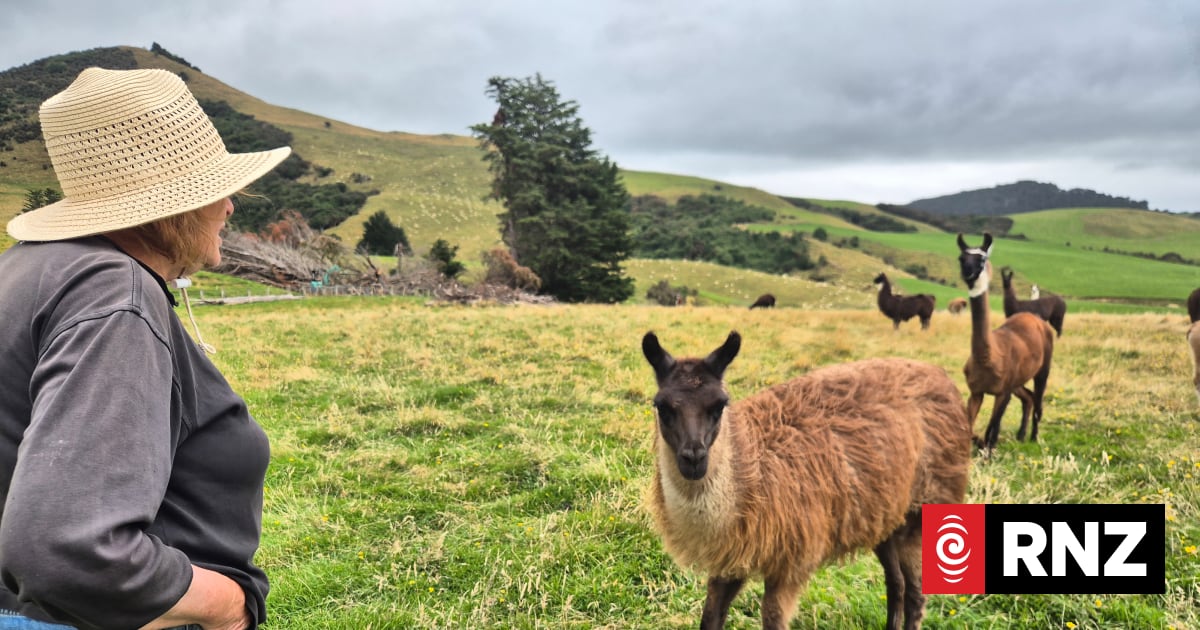
In the 1990s, many farms sought to diversify their operations to improve profitability and resilience. Janette Buckingham, a spinner and farmer from Southland, Australia, considered llamas as a potential avenue for diversification. This idea emerged during a period when agricultural businesses were actively exploring new ventures to adapt to changing market conditions. Buckingham's contemplation reflects a broader trend of innovation within the farming sector during that decade. The decision to consider llamas specifically highlights an interest in alternative livestock or fiber-producing animals. This approach aimed to reduce reliance on traditional farming methods and potentially open up new income streams.
The 1990s agricultural landscape saw a significant push for diversification, driven by market volatility and the pursuit of new revenue streams. Janette Buckingham's consideration of llamas exemplifies this trend, showcasing a farmer's proactive approach to business strategy. This move reflects an understanding of market dynamics and the need for adaptability in the agricultural sector. Such diversification efforts, while potentially beneficial, also introduce new risks and require specialized knowledge. Evaluating the long-term viability of alternative livestock, like llamas, involves assessing market demand for their products, management complexities, and the potential for scalability. This historical example underscores the ongoing challenge for agricultural businesses to balance innovation with risk management in an evolving global economy.
AI-generated to prompt reflection — not editorial opinion, not advice, not a statement of fact. How this works.