Farmer ordered to restore deforested area and pay $11.9K for environmental damage in Minas Gerais
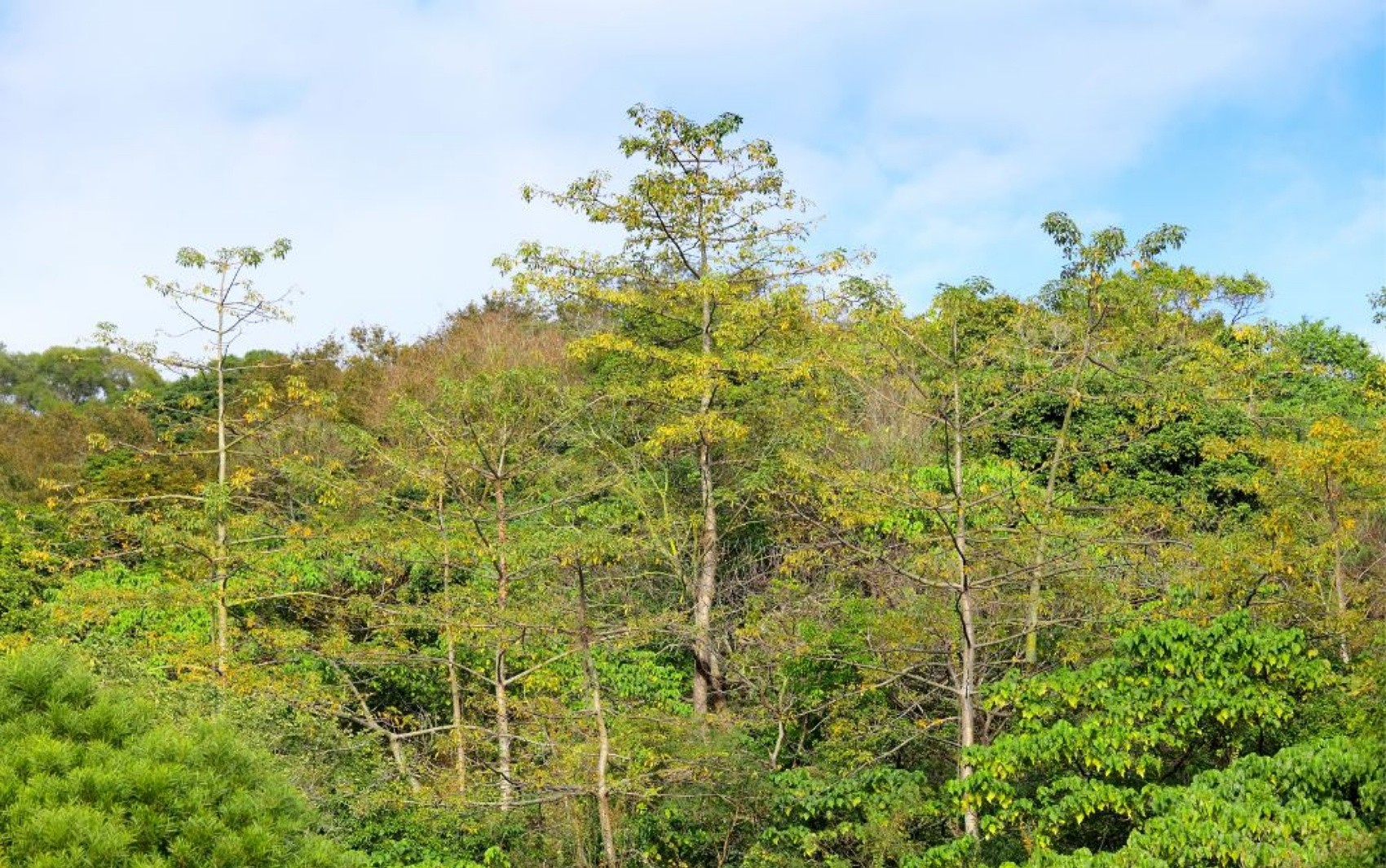
A farmer in Nepomuceno, Minas Gerais, has been ordered by the Court of Justice of Minas Gerais (TJMG) to fully restore a native Atlantic Forest area that was illegally deforested. The farmer must also pay R$ 11,919 in environmental damages to the Special Fund of the Public Prosecutor's Office of Minas Gerais (Funemp). The 3rd Civil Chamber's decision mandates the completion of the Permanent Preservation Area (APP) restoration within two years, with a daily fine of R$ 500, capped at R$ 100,000, if the obligation is not met. The Public Prosecutor's Office of Minas Gerais (MPMG) initiated the lawsuit after the Military Environmental Police identified the unauthorized vegetation removal in May 2021. A technical report confirmed that 8,438 square meters of native vegetation were cleared using heavy machinery. The farmer appealed an initial ruling, claiming a lack of proof of his responsibility. However, the MPMG presented satellite imagery showing the deforestation occurred after 2017, when the farmer already owned the property, and argued that environmental law requires both full restoration and financial compensation for irreversible damage. The reporting judge, Alberto Diniz, emphasized that the Forest Code prohibits vegetation removal without prior authorization and that the technical evidence confirmed the irregular intervention and the owner's duty to repair the damage. The other judges unanimously upheld the original sentence.
This ruling underscores the legal framework in Brazil that holds landowners accountable for environmental degradation, particularly concerning protected areas like the Atlantic Forest. The court's decision emphasizes that the duty to restore and compensate for damages is intrinsic to property ownership and not contingent on the specific classification of the land as an APP, which serves as an aggravating factor. The use of satellite imagery to establish the timeline of deforestation and link it to the current owner highlights the increasing sophistication of environmental monitoring. This case serves as a precedent, reinforcing the enforcement of environmental laws and the financial consequences for non-compliance, which could influence land management practices across the region. Future land use decisions will likely need to more rigorously integrate environmental impact assessments and regulatory compliance to avoid significant financial and restorative liabilities.
AI-generated to prompt reflection — not editorial opinion, not advice, not a statement of fact. How this works.