Farmer Turns Sweet Potatoes into Chips, Boosting Family Income in Roraima
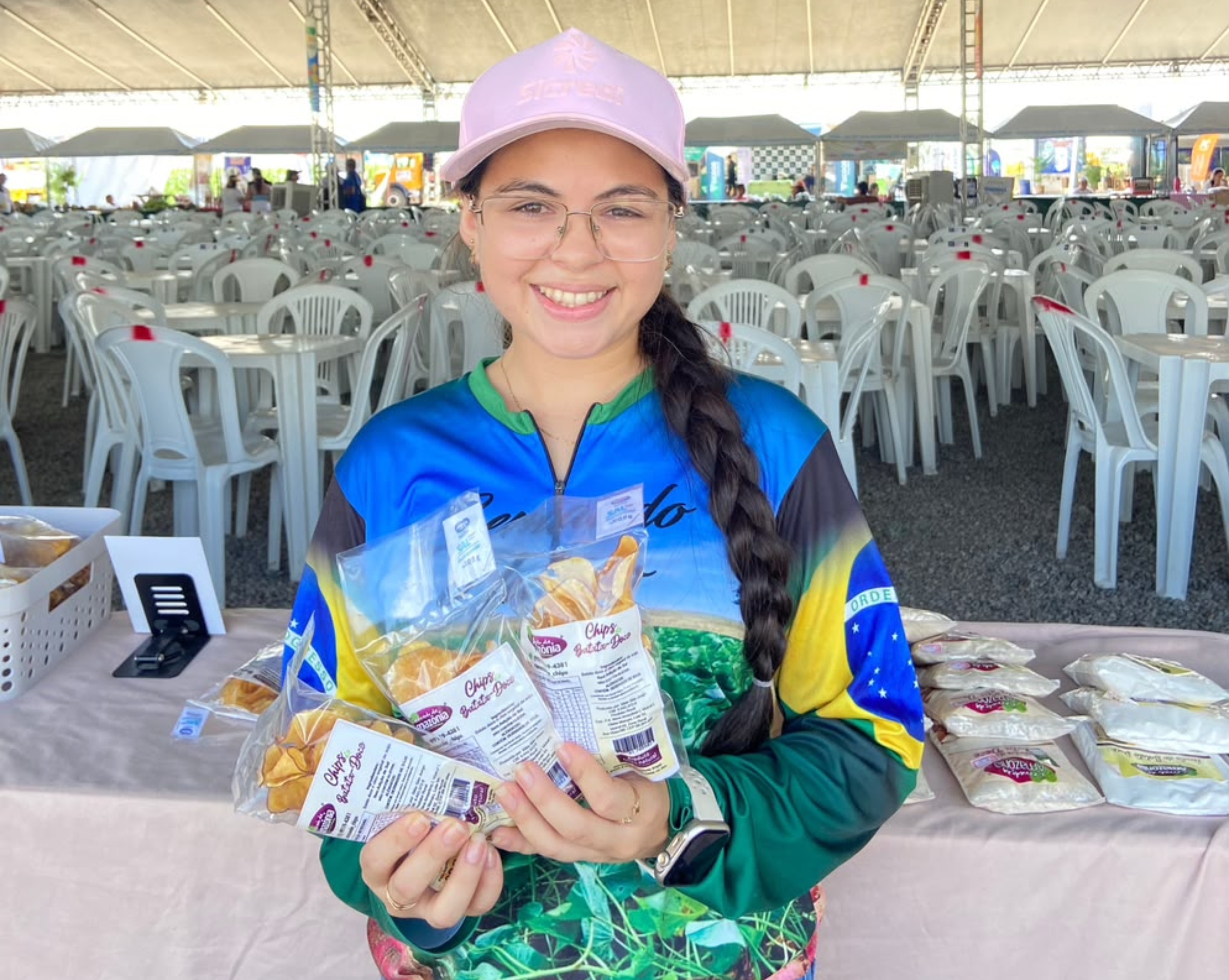
Kayllane Sabrina, an agricultural producer from Roraima, has successfully diversified her family's sweet potato harvest into a new income stream by transforming the tubers into chips. She began this venture in February 2026, utilizing a machine previously used by her grandmother for local markets. Leveraging her background in food production, Sabrina meticulously developed a recipe for thin, crispy chips, overcoming initial challenges of low product recognition. This initiative not only created her own income but also added value to the family's cultivated sweet potatoes, bringing her personal satisfaction through positive customer reception.
Sabrina's innovative approach was showcased at the AgroBV 2026 fair in Boa Vista, an event highlighting family agricultural production. Another farmer, Danielle Lira, also presented value-added products derived from her family's pineapple cultivation, including cakes, juices, caipirinhas, and mousses. Both producers emphasized the rewarding experience of seeing their hard work appreciated by consumers.
Despite these successes, family farmers in the region face significant agricultural challenges, including unpredictable rainfall patterns, early-year waterlogging, and pest infestations. Ana Carla, president of the ASSTRF PANA association, noted that farmers organized diligently to participate in the AgroBV 2026 fair despite these obstacles. The AgroBV 2026 fair, held in Boa Vista, is expected to attract 80,000 visitors and generate R$ 100 million in business, featuring agricultural technology, livestock, and family farm products.
This initiative exemplifies the growing trend of smallholder farmers adding value to their produce through processing, moving beyond raw commodity sales. By transforming sweet potatoes into chips, Kayllane Sabrina not only created a new revenue stream but also demonstrated a strategic adaptation to market demands and personal income generation. Such value-addition strategies are crucial for enhancing the economic resilience of family farms, particularly in regions susceptible to climate variability and pest pressures that can impact crop yields. The success of these ventures hinges on factors like access to processing technology, market development, and consumer education, highlighting the importance of supportive agricultural policies and infrastructure that foster innovation and diversification within the agricultural sector.
AI-generated to prompt reflection — not editorial opinion, not advice, not a statement of fact. How this works.