Farmers Fortify Fields Against Gangs Poaching Hares
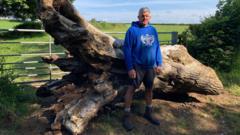
Farmers are resorting to extreme measures, including barricading field entrances with concrete blocks and fallen trees, to protect their land and crops. These actions are a direct response to escalating threats from organized gangs who are illegally hunting hares. The gangs are not only destroying crops but also causing damage to farm property, leading to significant financial losses and distress for the agricultural community. This issue highlights a growing problem of rural crime, where criminal elements are exploiting natural resources and intimidating landowners. The farmers' defensive actions underscore the severity of the situation and the perceived lack of effective intervention to curb these illegal activities. The destruction of crops and property signifies a direct assault on the livelihoods of those working in the agricultural sector. This ongoing conflict between farmers and poaching gangs poses a significant challenge to rural safety and law enforcement.
The escalating conflict between farmers and poaching gangs over hare hunting reflects a complex interplay of economic incentives, rural security challenges, and the enforcement of wildlife protection laws. The farmers' defensive measures, while understandable, highlight a breakdown in the state's capacity to provide security and enforce regulations, potentially leading to a cycle of escalation. The underlying issue may involve demand for hares, either for consumption or other illicit markets, driving organized criminal activity. Addressing this requires a multi-faceted approach, including enhanced law enforcement presence, community policing initiatives, and potentially exploring sustainable wildlife management strategies that could reduce the incentive for poaching. The long-term implications involve the potential for increased rural tensions and the need for robust governance structures to ensure both public safety and the preservation of natural resources.
AI-generated to prompt reflection — not editorial opinion, not advice, not a statement of fact. How this works.