Farming's Dangerous Gamble: Why Continue With Toxic Practices When Safer Alternatives Exist?
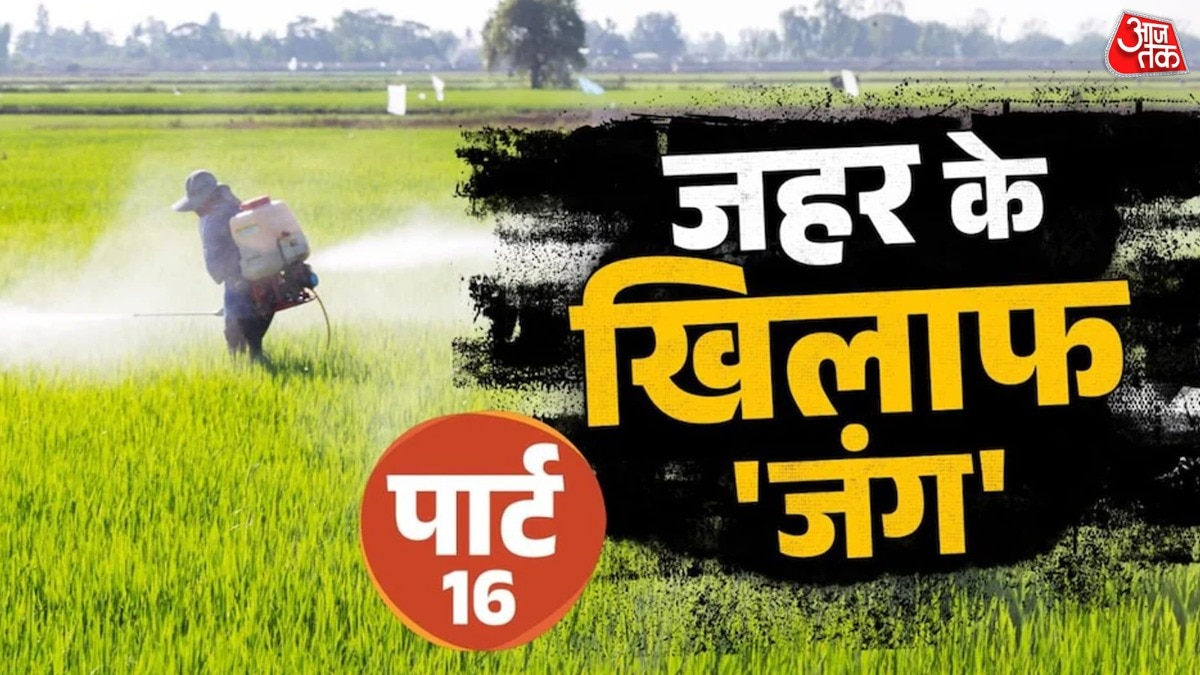
Every meal we consume, from morning tea to dinner, represents a trade-off not with nutrition, but with a slow-acting poison. The food we serve to our families, believing it to be nourishing, is actually the product of a dangerous interplay between agriculture and chemicals. This practice highlights a critical issue within the food system, where the pursuit of agricultural output may be inadvertently harming public health. The reliance on potentially harmful substances in food production raises questions about the long-term sustainability and safety of current farming methods. Consumers are unknowingly ingesting these residues, which could have significant health implications over time. The article suggests that despite the availability of safer alternatives, traditional, potentially toxic agricultural practices persist. This raises concerns about the motivations behind maintaining these methods and the potential for systemic change. The core issue revolves around the choice between established, yet hazardous, farming techniques and newer, safer approaches. The narrative implies a need for greater transparency and a shift towards more health-conscious agricultural policies and practices.
The current agricultural paradigm appears to prioritize yield and established practices over potential long-term health consequences and environmental impact. The persistence of potentially toxic methods, even when safer alternatives are available, suggests a complex interplay of economic incentives, established supply chains, and potentially slow regulatory adaptation. This situation presents a systemic challenge, where market forces, farmer education, and consumer demand must align to drive a transition towards more sustainable and health-conscious food production. Over the next decade, increasing awareness of the links between diet, health, and environmental sustainability will likely exert greater pressure on agricultural systems to evolve. The core contradiction lies in balancing immediate agricultural productivity with the imperative for public health and ecological resilience.
AI-generated to prompt reflection — not editorial opinion, not advice, not a statement of fact. How this works.