Farooq Moinuddin's Thoughts on Translation: Everyone is a Translator
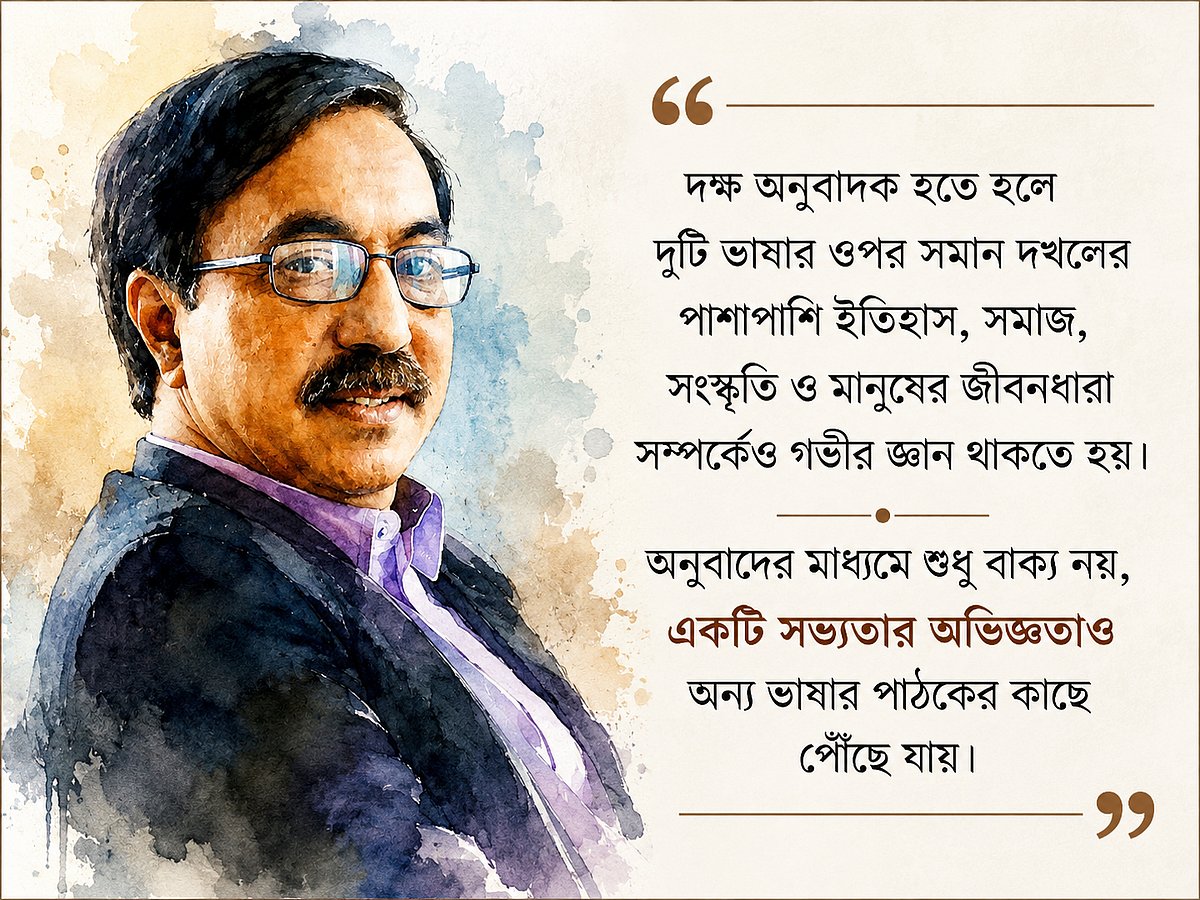
In today's world, the importance of translation has significantly increased. It serves as a primary medium for knowledge exchange across various fields, including literature, science, medicine, law, technology, and international relations. While artificial intelligence has streamlined translation processes, it has yet to replace human sensitivity, humor, and cultural understanding. Farooq Moinuddin's perspective highlights that translation is a fundamental aspect of communication, suggesting that individuals inherently engage in translation through their daily interactions and interpretations. This concept extends beyond professional translators, implying that understanding and conveying meaning across different contexts, languages, and cultures is a universal human capability. The article emphasizes the enduring value of human nuance in bridging gaps in comprehension, even as technology advances.
The increasing reliance on translation tools, including AI, underscores a global drive for enhanced cross-cultural communication and knowledge dissemination. However, the persistent need for human oversight in translation highlights the inherent limitations of current AI in capturing the full spectrum of human expression, such as emotional depth, cultural context, and subtle humor. This dynamic suggests a future where AI acts as a powerful assistive tool, augmenting human capabilities rather than fully replacing them. The challenge lies in developing AI that can better understand and replicate these nuanced human elements, potentially leading to more effective global collaboration and understanding in fields ranging from diplomacy to scientific research over the next decade.
AI-generated to prompt reflection — not editorial opinion, not advice, not a statement of fact. How this works.