Fashion designers create 'adversarial clothing' to confuse facial recognition systems
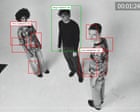
As facial recognition technology becomes more prevalent in public spaces across Britain, a new wave of fashion designers are exploring privacy as a key trend. These designers are incorporating "adversarial patterns" into their garments, which are specifically engineered arrangements of shapes, colors, and repeating motifs. The intention behind these patterns is to exploit vulnerabilities in certain computer vision systems, thereby confusing facial recognition technology. Designers suggest that these clothes not only offer a measure of protection against surveillance but also serve as a strong fashion statement advocating for the importance of privacy. This development indicates a potential shift in how clothing might be used to interact with and potentially resist pervasive surveillance technologies.
The emergence of "adversarial clothing" highlights a growing tension between advancing surveillance technologies and individual privacy concerns. As facial recognition systems become more integrated into public infrastructure, designers are responding by creating garments that challenge the efficacy of these systems. This trend reflects a broader societal debate about data privacy and the ethical implications of widespread biometric monitoring. The effectiveness and scalability of such adversarial patterns will likely depend on the ongoing evolution of both recognition algorithms and the countermeasures developed to bypass them. This dynamic suggests a future where technological innovation in fashion could play a role in shaping the boundaries of digital surveillance and personal autonomy.
AI-generated to prompt reflection — not editorial opinion, not advice, not a statement of fact. How this works.