Fast Charging: Does It Harm Phone Batteries?
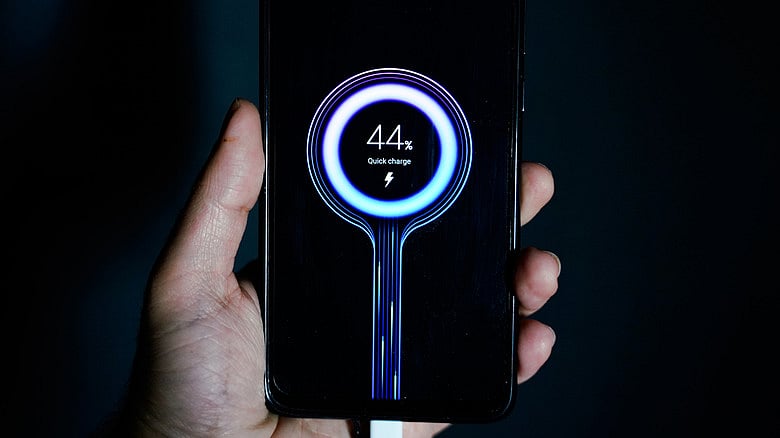
Fast charging technology, now common in many gadgets, allows devices like smartphones to charge from zero to over 100% in about half an hour. While convenient, this rapid power delivery raises concerns about potential battery damage. Scientists confirm that fast charging can accelerate battery degradation, particularly in certain battery types. However, modern batteries incorporate protective measures to mitigate these effects. The speed at which a battery charges depends on its materials, internal structure, and battery management system. Most rechargeable batteries today are lithium-ion, which operate by the movement of lithium ions between electrodes. Fast charging achieves its speed by significantly increasing the current, which speeds up ion movement compared to slower, conventional charging methods that use lower current. This faster ion flow generates more heat and can stress the battery's internal structure. Batteries designed for fast charging often use specialized materials and internal designs to facilitate quicker ion transfer and reduce heat buildup. A primary concern with fast charging is lithium plating, where ions don't fully embed in the anode and instead form a metallic layer, reducing the battery's capacity. In severe cases, this can lead to the formation of lithium dendrites, sharp structures that can puncture the battery, posing a safety risk. The increased heat generated during fast charging also accelerates the chemical reactions that degrade battery components. While modern devices have sophisticated battery management systems that monitor and adjust charging speed to prevent overheating, extreme temperatures remain a significant factor in battery health. Experts advise charging devices in a moderate temperature range (20-25°C) and avoiding extreme heat or cold. Keeping devices plugged in constantly after reaching full charge can also reduce battery performance. Maintaining a charge level between 20% and 80% for daily use is recommended, rather than always charging to 100%.
The widespread adoption of fast charging highlights a fundamental trade-off between user convenience and device longevity. While manufacturers are increasingly integrating advanced battery management systems to mitigate risks like overheating and lithium plating, these systems operate within the physical limitations of battery chemistry. The core challenge lies in managing the increased energy density and accelerated ion transfer inherent in fast charging, which inherently stress battery components more than slower charging methods. Over the next decade, as battery technology evolves to support even faster charging and higher capacities for applications like electric vehicles and advanced mobile computing, the demand for more robust and resilient battery chemistries will intensify. Innovative solutions may involve novel materials, improved thermal management, or adaptive charging algorithms that dynamically balance speed with degradation prevention, ensuring that technological advancement does not come at the irreversible cost of device lifespan.
AI-generated to prompt reflection — not editorial opinion, not advice, not a statement of fact. How this works.