Fast Charging vs. Regular Charging: Impact on Battery Health
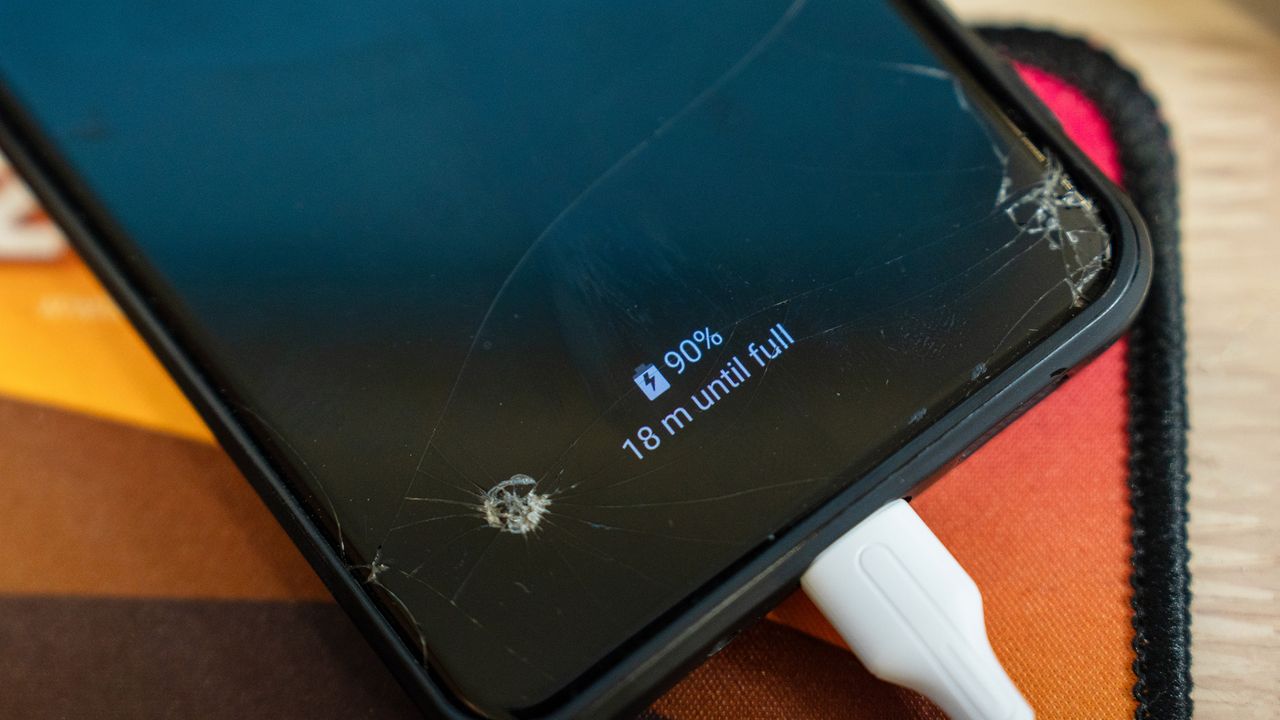
The debate continues regarding whether fast charging methods degrade batteries more significantly than traditional, slower charging. This question is relevant across a wide range of devices, from personal electronics like smartphones to larger applications such as electric vehicles. While some batteries can be fully charged in approximately one hour using rapid charging technology, others require considerably longer, potentially up to half a day, for a complete charge cycle. The varying charging times highlight different technological approaches and user needs for convenience versus potential long-term battery longevity. Understanding the trade-offs between charging speed and battery lifespan is crucial for consumers and manufacturers alike as battery-powered technology becomes increasingly ubiquitous.
The increasing demand for rapid charging solutions across consumer electronics and electric vehicles presents a complex interplay between user convenience and battery longevity. While manufacturers strive to balance charging speed with battery health, the underlying electrochemical processes involved in charging can be accelerated, potentially leading to increased stress on battery components over time. This dynamic raises questions about the long-term sustainability of current battery technologies and charging infrastructures. Future advancements may focus on optimizing charging algorithms, developing more resilient battery chemistries, or exploring alternative energy storage solutions to mitigate potential degradation and extend the operational life of devices.
AI-generated to prompt reflection — not editorial opinion, not advice, not a statement of fact. How this works.