Fatbike bans in Enschede and Amsterdam show early success, legal challenges loom
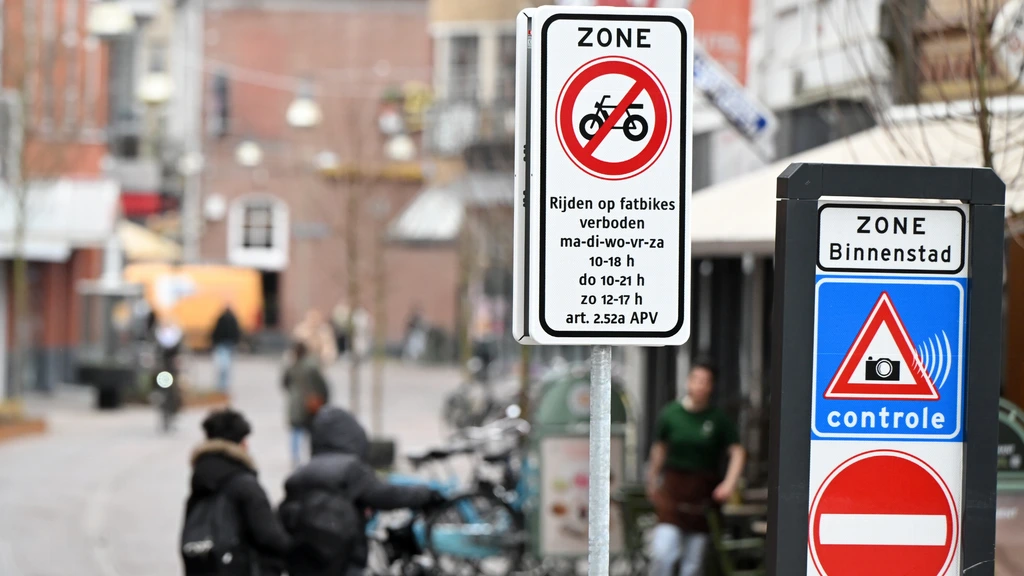
Fatbike bans implemented in Enschede and Amsterdam appear to be yielding positive initial results, with both cities reporting fewer safety concerns and increased public satisfaction. In Enschede, a daytime ban in the downtown shopping area, prompted by complaints from retailers and the public about dangerous riding and stunts, has led to 33 warnings and nine fines issued by municipal enforcers. The local alderman, Marc Teutelink, stated that unsafe situations have significantly decreased, a sentiment echoed by the local business association, Winkelhart, whose chair Nicole Workel-ten Bos noted a calmer atmosphere and increased social control among visitors. Amsterdam introduced a similar ban in Vondelpark a month later, resulting in 94 fines issued by early July. The city is conducting further research and will release its findings this autumn. Both municipalities enacted these bans through their General Local Ordinances (APV), specifically prohibiting electric bicycles with tires 7 centimeters or wider. The legal durability of this approach is currently under judicial review, as a fatbike importer has initiated a lawsuit against the Enschede ban, which is viewed as a test case with a substantive hearing scheduled for late January. Several other municipalities are considering similar measures but are awaiting the outcomes of these trials or closely monitoring the legal proceedings. Meanwhile, the national government plans to introduce a helmet mandate for fatbikes and e-bikes for individuals under 18, with a proposal expected to be submitted to parliament this autumn, aiming for implementation in 2027.
The initial success of localized fatbike bans in Enschede and Amsterdam highlights a common governance challenge: balancing public safety and nuisance reduction with the rights of individuals and the potential for overregulation. The legal scrutiny of these bans, particularly the tire-width criteria, suggests a need for clearer, nationally consistent regulatory frameworks for emerging personal mobility devices. As more municipalities consider similar actions, the outcome of the current legal test case will be crucial. This situation underscores the tension between rapid technological adoption and the slower pace of legislative adaptation, prompting a re-evaluation of existing traffic laws and enforcement mechanisms to accommodate new forms of transport. The impending national helmet mandate for younger riders indicates a broader governmental concern, yet the effectiveness and enforceability of such measures, especially in the context of diverse urban environments and evolving rider behavior, remain subjects for ongoing observation and policy refinement.
AI-generated to prompt reflection — not editorial opinion, not advice, not a statement of fact. How this works.