Father and Son Die in Sequential Accidents on TO-335 Highway in Tocantins
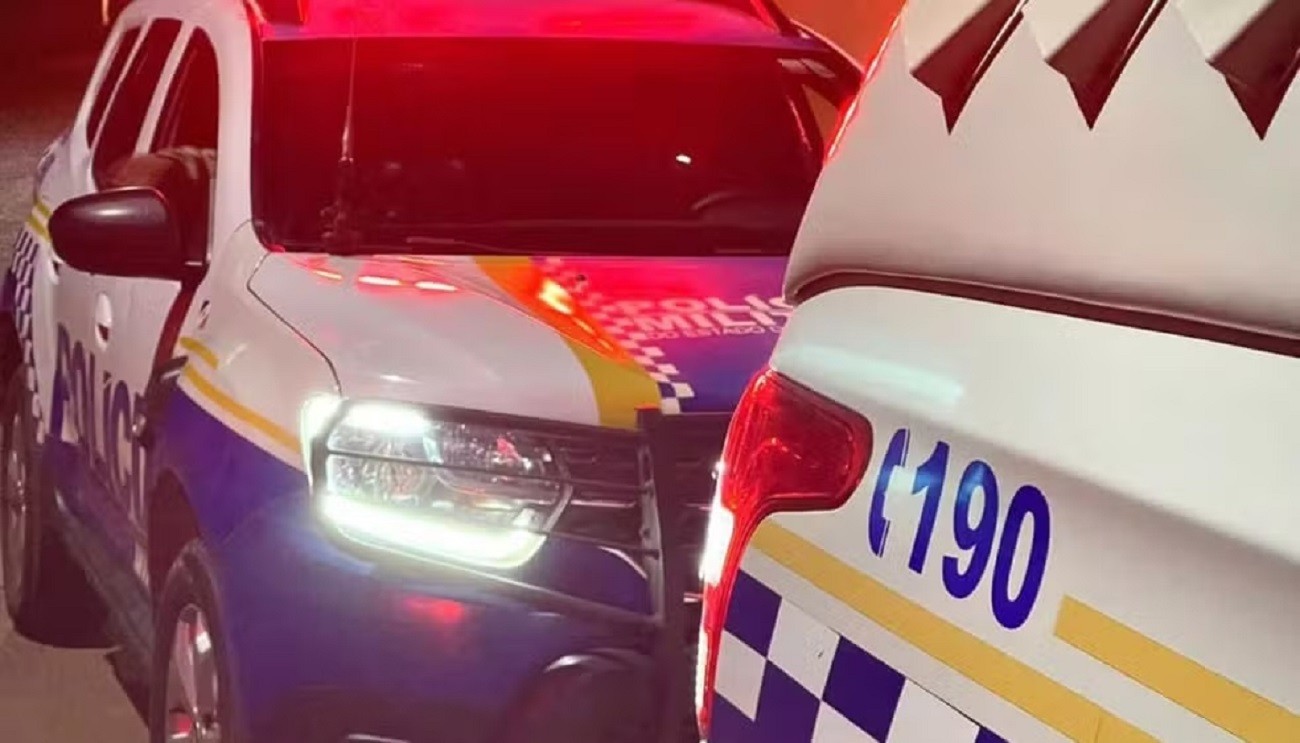
A tragic traffic accident on the TO-335 highway in Tocantins, Brazil, resulted in the deaths of a father and son and injured three others. The incident occurred early Friday, May 17th, approximately 50 kilometers from Colinas. The deceased have been identified as André Pereira da Silva, 26, and his father, João Pereira da Silva, 57. The sequence of events began when André, riding a motorcycle, lost control and fell near the roadside. His family, following in a car, stopped to assist him and called for a municipal ambulance. While medical personnel were attending to André, a truck traveling in the same direction collided with the rear of the car and the ambulance. The collision, which occurred despite the ambulance's activated warning lights, dragged the vehicles and impacted four individuals. João Pereira died at the scene while attempting to help his son. The ambulance driver, a nurse, and a nursing technician sustained serious injuries and were transported to the Regional Hospital of Araguaína (HRA). One of these individuals suffered a punctured lung, and another sustained a fractured pelvis. The truck driver remained at the scene, showed no signs of intoxication, and was taken for legal proceedings. The area was secured for forensic examination, and the bodies were sent for autopsy. The Civil Police are investigating the incident.
This incident highlights the critical importance of road safety protocols and the cascading effects of initial accidents. The sequence of events, from the motorcycle fall to the secondary collision involving the ambulance, underscores the vulnerability of emergency response situations to further hazards. Factors such as visibility, driver attentiveness, and appropriate signaling for stationary vehicles in active roadways are crucial elements for investigation. Future road safety strategies could benefit from analyzing the effectiveness of current emergency response zone protections and driver education regarding approaching stationary vehicles, especially at night or in low-visibility conditions. The systemic challenge lies in mitigating risks in dynamic, high-stakes environments where seconds count, and the potential for secondary incidents is ever-present.
AI-generated to prompt reflection — not editorial opinion, not advice, not a statement of fact. How this works.