Father and Stepmother Wanted for Attempted Murder of 11-Year-Old Girl in Rio Branco
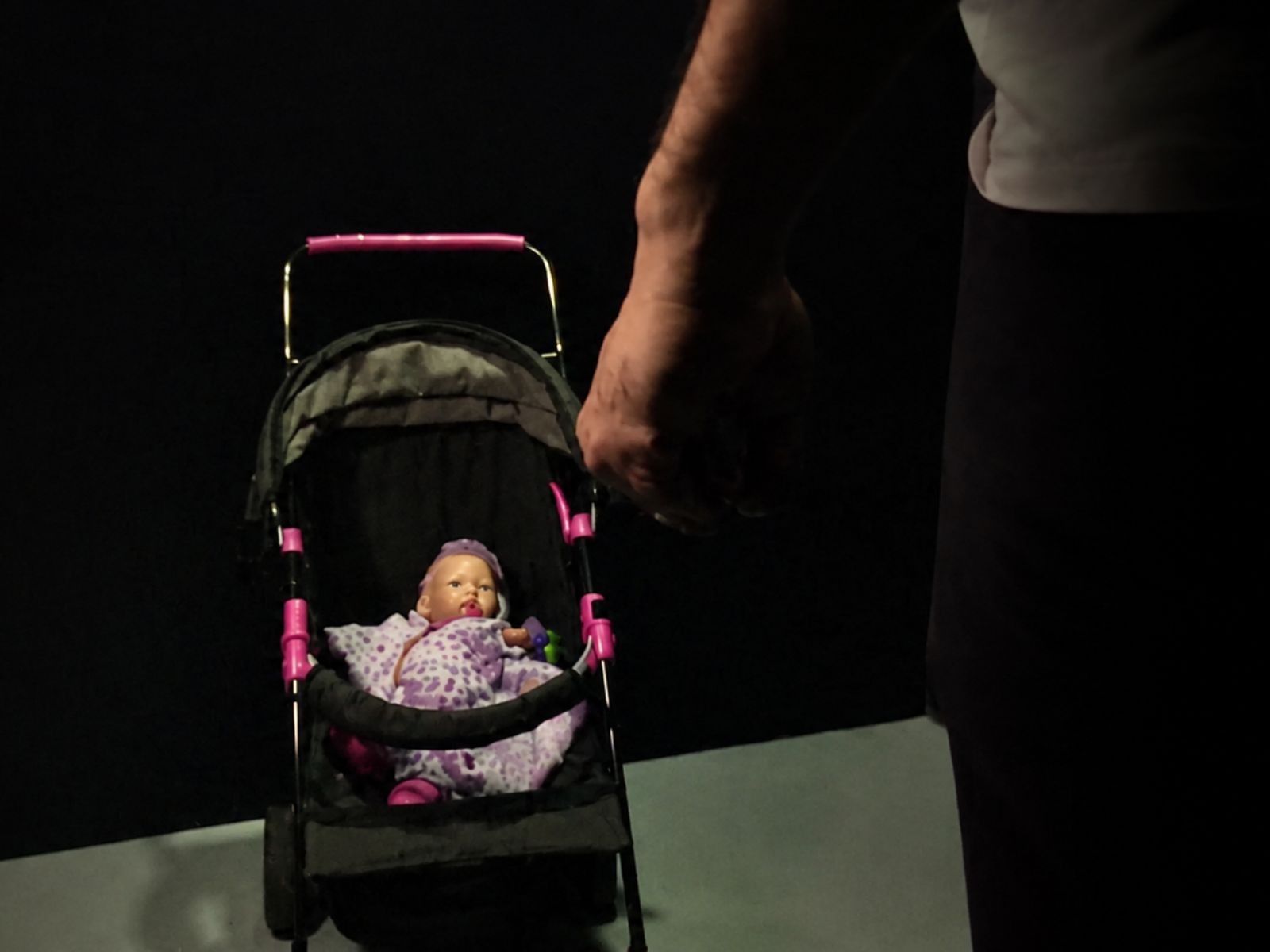
The father and stepmother of an 11-year-old girl in Rio Branco, Acre, have had their preventive detention ordered by the judiciary on charges of attempted qualified homicide and mistreatment. The Public Prosecutor's Office of Acre (MP-AC) requested the arrests, citing cruel means, domestic violence, and aggravated mistreatment due to the victim's age. The girl was hospitalized on July 3rd in the Intensive Care Unit (ICU) of the Children's Hospital after allegedly ingesting caustic soda at a home in the Apolônio Sales neighborhood. Authorities are investigating the claim that the stepmother forced the child to consume the substance. The father and stepmother have not been located and are considered fugitives. The court's decision considered the victim's vulnerability, the need to ensure the criminal investigation proceeds, and the risk of repeated offenses. For the father, evidence suggested an intent to flee. The girl's mother reported suffering domestic violence during her relationship with the father, which prevented her from seeing her daughter for over eight years. She recently traveled to Rio Branco to be with her daughter and provide a statement, learning from medical staff about the severity of her daughter's internal injuries and the need for surgery. The Child Welfare Council is involved, ensuring the girl's rights are protected and warning against unauthorized fundraising or image use. The MP-AC is also investigating, requesting chemical analysis and examination of the girl's injuries, and monitoring protective measures.
This case highlights critical failures in child protection systems, particularly within contexts of domestic violence. The alleged actions of the father and stepmother, if proven, point to a severe breakdown of parental responsibility and a potential systemic lapse in identifying and intervening in escalating abuse. The mother's experience of prolonged separation and past domestic violence suggests a pattern of control and harm that the legal and social support systems may not have adequately addressed. Moving forward, analysis should focus on the efficacy of existing domestic violence protocols, the challenges faced by victims in regaining contact with children, and the necessary improvements in inter-agency coordination to prevent such tragic outcomes. The long-term recovery for the child will require comprehensive psychological and physical support, alongside robust legal accountability for the perpetrators.
AI-generated to prompt reflection — not editorial opinion, not advice, not a statement of fact. How this works.