Father Dies in Rio das Antas Flood; Daughter Lost Home in 2023
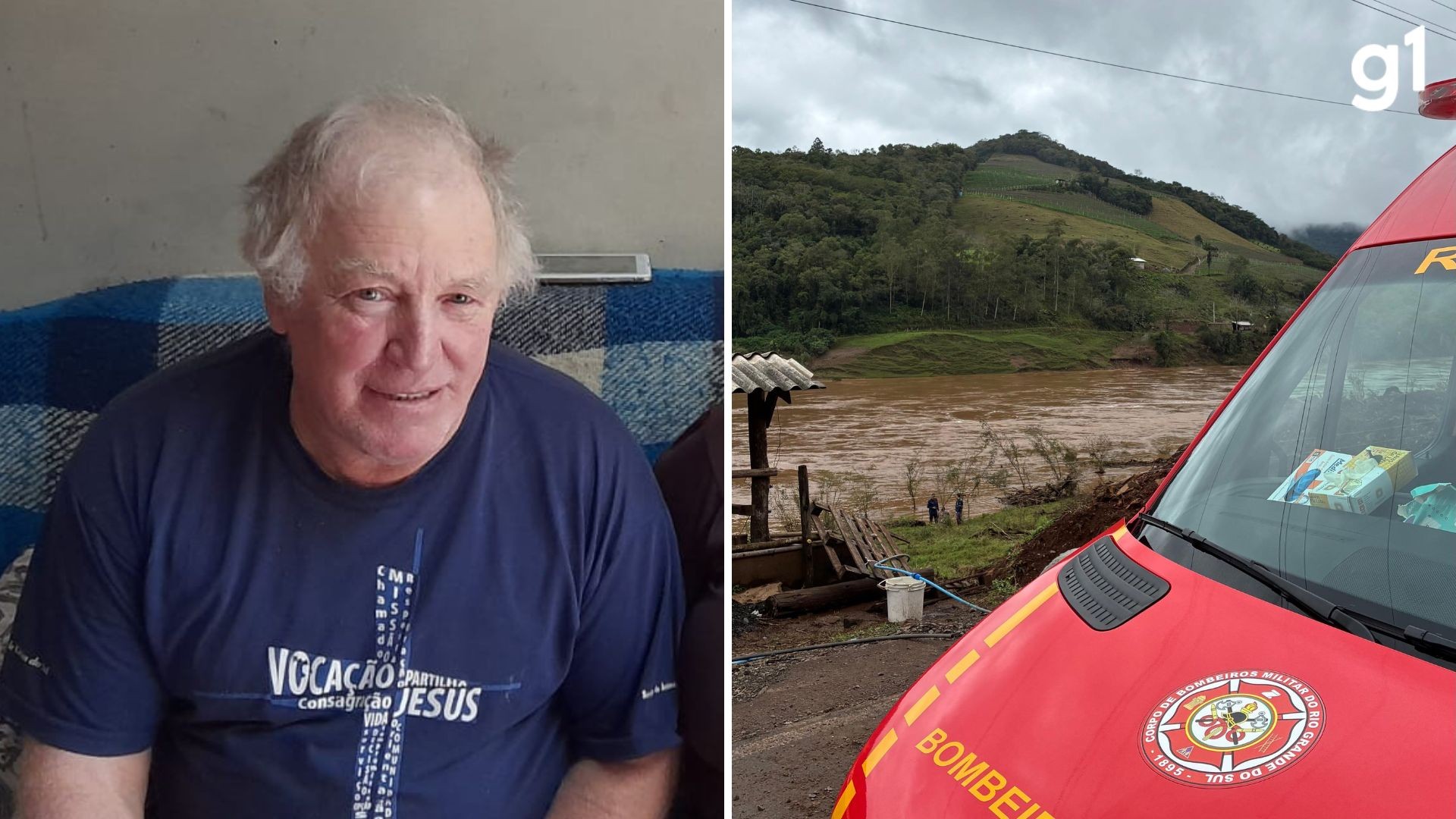
Adriana Glanert's father, 70-year-old Luiz Antonio Glanert, died on Thursday, May 23rd, after falling into the Rio das Antas and being swept away by the current in the Serra Gaúcha region. This tragedy occurred less than three years after Adriana lost her own home to flooding in September 2023. The region has recently experienced severe weather events due to heavy rainfall accumulating in riverbeds. On Wednesday, May 22nd, Adriana filmed another house being carried away by the Rio das Antas towards the Rio Taquari. She had previously considered the 2023 flood an unusual event until witnessing the major climate disaster that struck Rio Grande do Sul in May 2024 and now seeing the river's elevated levels again. Adriana expressed fear of the weather, questioning how long they will live in dread of floods. Her father, Luiz Antonio, had spent the previous night assisting neighbors with the rising waters. On Thursday, while attempting to retrieve a small wooden boat with his son, he reportedly felt unwell, lost his balance, and fell into the river. The family is familiar with the Rio das Antas, with Adriana's grandfather born in the region in 1929. She recalled a large stone near her house marked by the 1941 flood, which was once considered the largest recorded in Rio Grande do Sul. However, both the 2023 and 2024 floods exceeded historical patterns, with Adriana's house, situated above the 1941 flood mark, being swept away. She and her family were the last people to cross the bridge before it collapsed. Luiz Antonio Glanert's wake was scheduled until 3 PM on Friday, May 24th, at Capela Bom Conselho Linha Colussi in Monte Belo do Sul, with his burial to follow in Santa Bárbara.
This event highlights the increasing vulnerability of communities in Rio Grande do Sul to extreme weather events, particularly floods. The repeated destruction of homes and loss of life, despite residents' familiarity with the river, suggests that recent flood events are exceeding historical norms and potentially outpacing traditional coping mechanisms and infrastructure resilience. The narrative raises questions about the adequacy of current land-use planning, flood defense systems, and early warning mechanisms in the face of a changing climate. Future preparedness may require a re-evaluation of development in flood-prone areas and investments in more robust, adaptive infrastructure capable of withstanding unprecedented water levels. The emotional toll on individuals and families underscores the urgent need for systemic solutions that address the root causes of increased flood risk and provide sustainable support for affected populations.
AI-generated to prompt reflection — not editorial opinion, not advice, not a statement of fact. How this works.