Father-in-law allegedly takes daughter back due to dowry dispute, remarries her
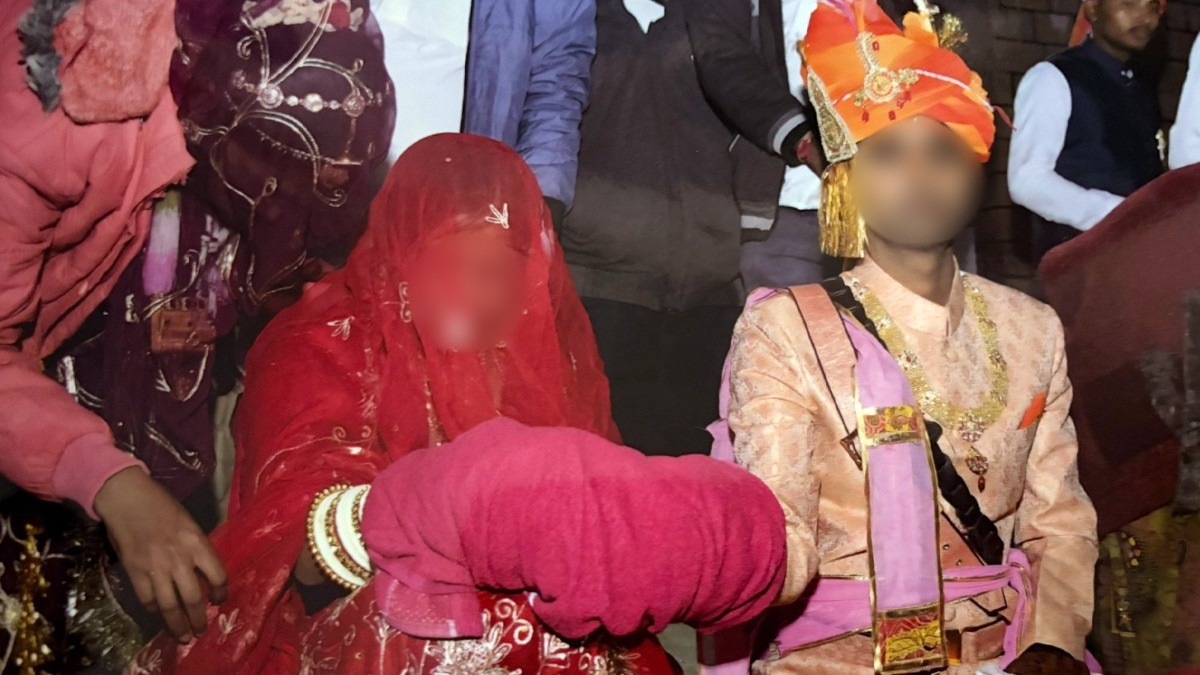
A new case related to the 'Ata-Sata' (a form of marriage exchange) custom has emerged in Rajasthan, India. The accusation is that a father-in-law took his daughter back from her marital home because his brother-in-law's marriage was not arranged and a sum of 15 lakh rupees (approximately $18,000 USD) was not paid. Subsequently, the father-in-law allegedly arranged for his daughter to marry another man. The husband, who is the victim in this situation, filed a case based on a court order. Local police are currently investigating the entire matter.
This incident highlights the persistent challenges of traditional marriage customs and financial demands in some regions of India. The 'Ata-Sata' practice, while intended as a reciprocal exchange, can become a source of coercion when financial or other conditions are not met. The alleged actions of the father-in-law, if proven, demonstrate a disregard for the existing marital union and the legal rights of the individuals involved. This situation raises questions about the enforcement of marriage laws and the societal pressures that may compel such actions, potentially impacting women's autonomy and well-being. Future legal and social interventions may need to address both the underlying customs and the financial exploitation that can accompany them.
AI-generated to prompt reflection — not editorial opinion, not advice, not a statement of fact. How this works.