Father Names Sons After Argentine Soccer Legends Maradona, Riquelme, and Messi
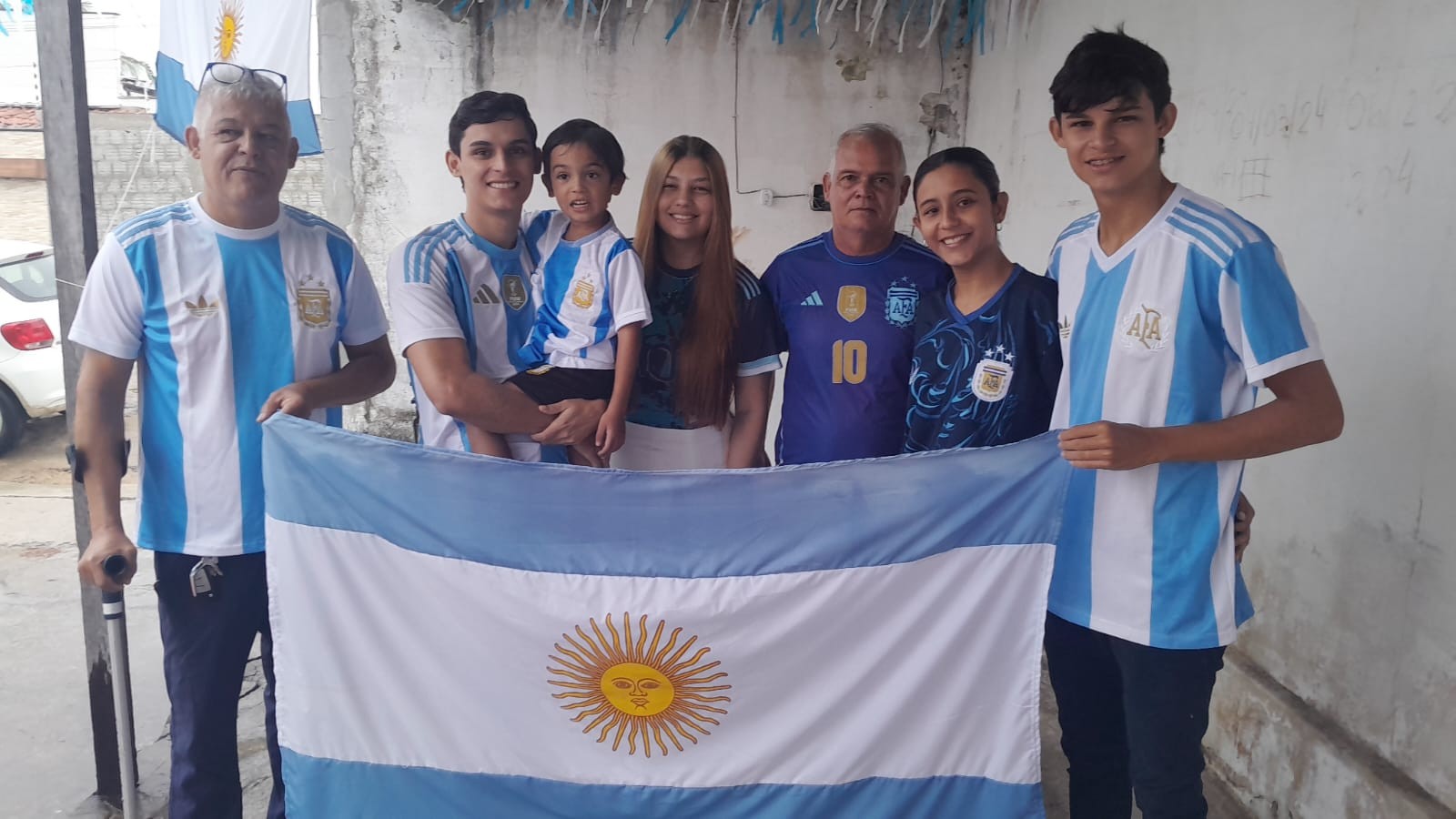
A father in São Gonçalo do Amarante, Rio Grande do Norte, Brazil, has named his three sons in honor of Argentine football icons. Renato Costa, a 60-year-old businessman, chose the names Diego Armando Maradona, Riquelme Crespo Palácios, and Lionel Andrés Messi Cuccittini to express his lifelong passion for the Argentine national team. His love for Argentina began when he was 12 years old, watching the 1978 World Cup victory with his father, an emotional experience that cemented his fandom. The eldest son, Diego Armando Maradona, is 24 years old. The middle son, Riquelme Crespo Palácio, is 19, and the youngest, Lionel Andrés Messi Cuccittini, is 5 years old, bearing the full name of the modern football superstar. Costa reported no issues with registration, as the children's mothers also admired these football figures. The sons have inherited their father's passion and support the Argentine team, even during the current World Cup. Costa indicated his desire to have more children and continue his tradition of naming them after Argentine cultural figures, mentioning Evita Perón or Di Maria as potential future choices.
This act of naming children after sports heroes reflects a deep personal connection to national identity and sporting achievement, often passed down through generations. The father's decision, while driven by personal affection and fandom, highlights how cultural icons can transcend their fields to become symbols of broader national pride and aspiration. In the context of the AI era, such strong emotional attachments to human figures, even in the realm of sports, may evolve as AI-generated content and virtual personalities gain prominence. It prompts consideration of how future generations will form their own cultural allegiances and identify with heroes, potentially balancing traditional human figures with new forms of digital or AI-driven influence. The practice also underscores the enduring power of shared cultural narratives in forging intergenerational bonds.
AI-generated to prompt reflection — not editorial opinion, not advice, not a statement of fact. How this works.