Father Recounts Son's Death at Acre UPA, Cites Medical Negligence
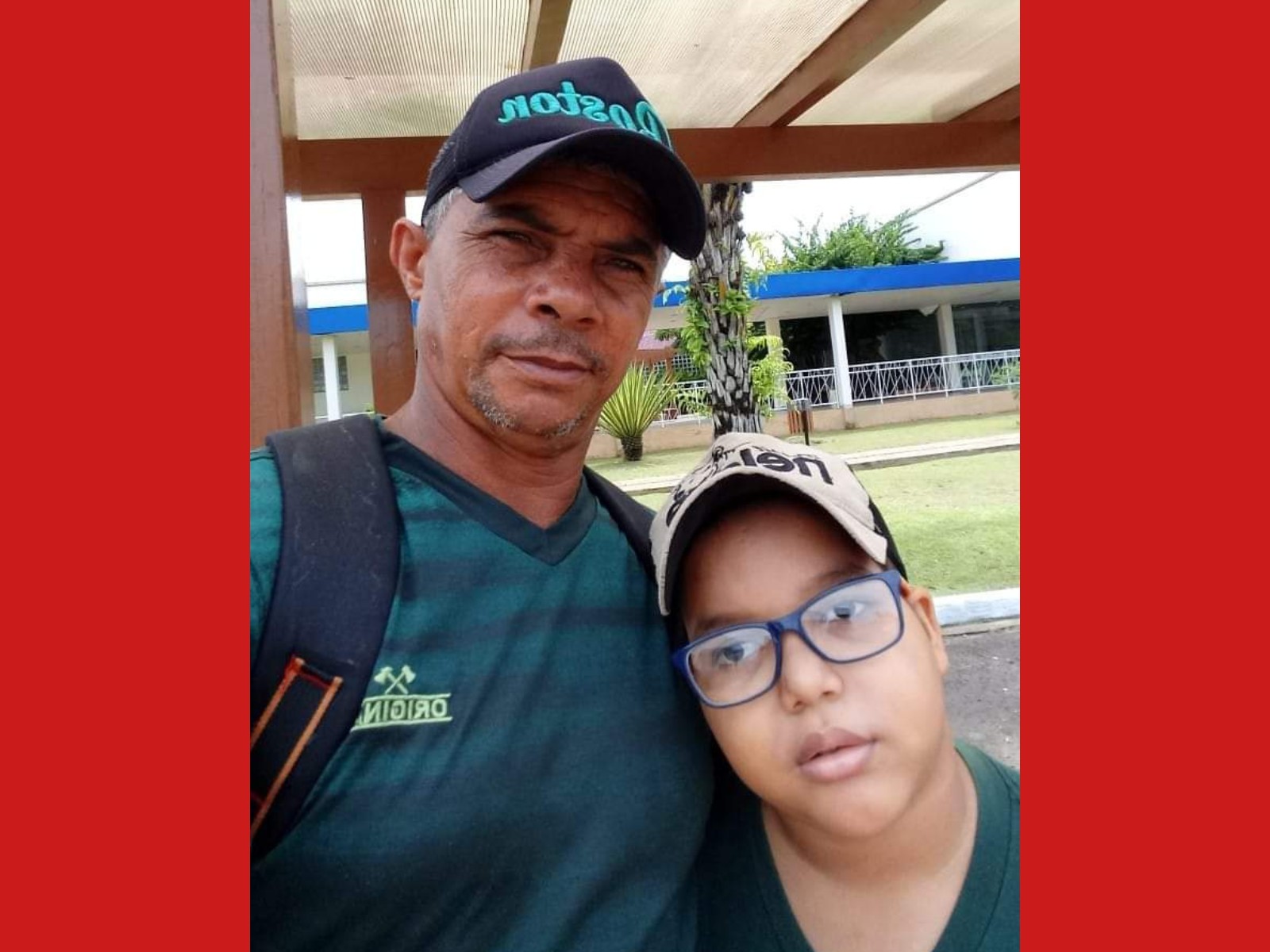
Evando Ferreira da Silva, a 60-year-old rural worker, is recounting the tragic death of his 15-year-old son, Everton Ramos Ferreira da Silva, in November 2022. Everton died in his father's arms while receiving care at the Second District Emergency Care Unit (UPA) in Rio Branco, Acre. The family has pursued legal action, with the Court of Justice of Acre (TJ-AC) upholding the state's condemnation for a failure in healthcare services in June. Initially awarded R$160,000 in moral damages, the compensation was reduced to R$100,000, split between Everton's parents, with R$50,000 each. Evando emphasizes that the lawsuit's primary goal is not financial compensation but to prevent similar tragedies for other families. Everton, who had hydrocephalus and had undergone surgery for a brain tumor, began experiencing severe abdominal pain. After an initial visit to a UPA, his condition worsened, necessitating a return to a different UPA. According to Evando, his son spent hours at the facility without adequate examination or diagnosis, receiving only medication. Everton's condition deteriorated, leading to convulsions and vomiting before he passed away. Medical reports indicate his death resulted from complications of acute abdomen progressing to sepsis, attributed to delayed diagnosis and treatment. The father hopes his public account will encourage other families to report similar incidents and demand accountability for improved healthcare.
This case highlights critical systemic issues within public healthcare access, particularly concerning timely diagnosis and appropriate medical intervention in emergency settings. The legal proceedings and subsequent reduction in damages underscore the complex balance between acknowledging state responsibility for service failures and determining proportionate financial redress. The father's stated motivation—preventing future suffering—points to a broader societal need for robust accountability mechanisms in healthcare. Evaluating this event through a decade-long lens, the increasing strain on public health infrastructure, coupled with advancements in diagnostic technology and AI-driven predictive analytics, presents both challenges and opportunities. Future healthcare systems will need to integrate advanced monitoring and rapid response protocols to mitigate risks associated with delayed care, ensuring that the 'operational failures' identified in this case are systematically addressed.
AI-generated to prompt reflection — not editorial opinion, not advice, not a statement of fact. How this works.