Father's Anguish Grows as Taxi Driver Remains Missing for Three Months in Tocantins
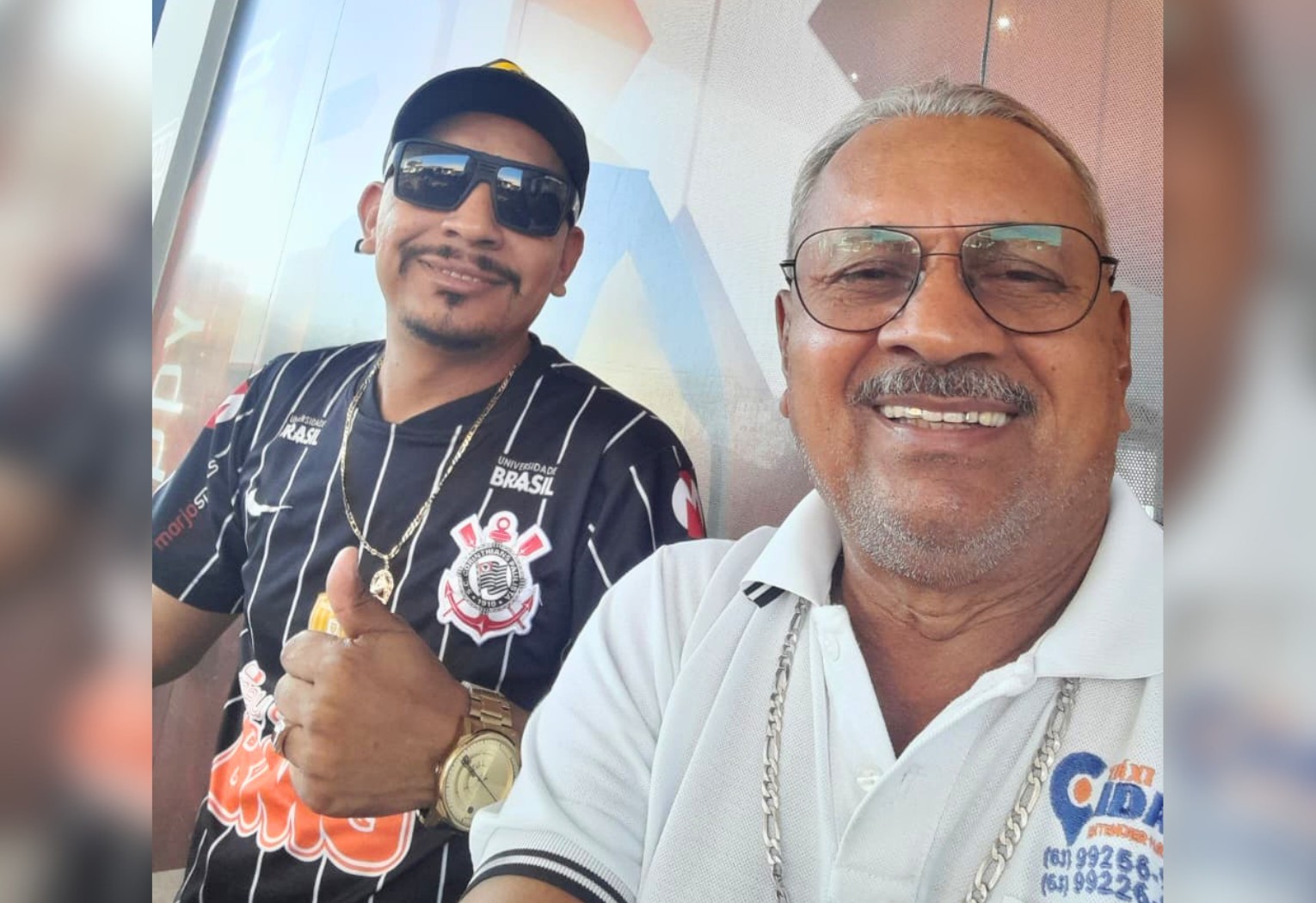
The disappearance of 38-year-old taxi driver José Neto Gomes de Araújo has reached the three-month mark, intensifying the distress of his family in Paraíso do Tocantins. Araújo was last seen on April 19th after leaving his home to go swimming at Balneário Cachorra. He was accompanied by two acquaintances and reportedly entered a dense wooded area near the balneário, from which he never returned. Despite extensive search efforts by the Fire Department, including ground searches, sniffer dogs, and drones, no belongings or any trace of Araújo have been found. The official searches were suspended in early May due to a lack of new leads, though the family and friends have continued their own searches. Araújo's father, Antônio Gomes, expressed profound anguish and a loss of joy at home, highlighting that his son was his "right-hand man" and that their plans to work together have been disrupted. He is also concerned about his grandson and feels a deep sense of helplessness and despair. Gomes is critically questioning the lack of progress in the police investigation, lamenting the absence of any response from the justice system and the prolonged uncertainty. The Public Security Secretariat (SSP) stated that the case remains under investigation without new updates.
The prolonged disappearance of José Neto Gomes de Araújo, coupled with the family's ongoing distress and frustration with the investigation's lack of progress, underscores critical challenges in public safety and investigative processes. The situation highlights the profound emotional and economic impact on families when individuals go missing, particularly when a primary provider is involved. The father's appeals for answers from the justice system and police reflect a common societal concern regarding accountability and the effectiveness of law enforcement in resolving such cases. Moving forward, a review of investigative protocols for missing persons, especially in areas with challenging terrain, and enhanced support mechanisms for affected families could strengthen public trust and improve outcomes.
AI-generated to prompt reflection — not editorial opinion, not advice, not a statement of fact. How this works.