Fatty Liver Disease is Not Normal; Untreated, it Risks Cancer
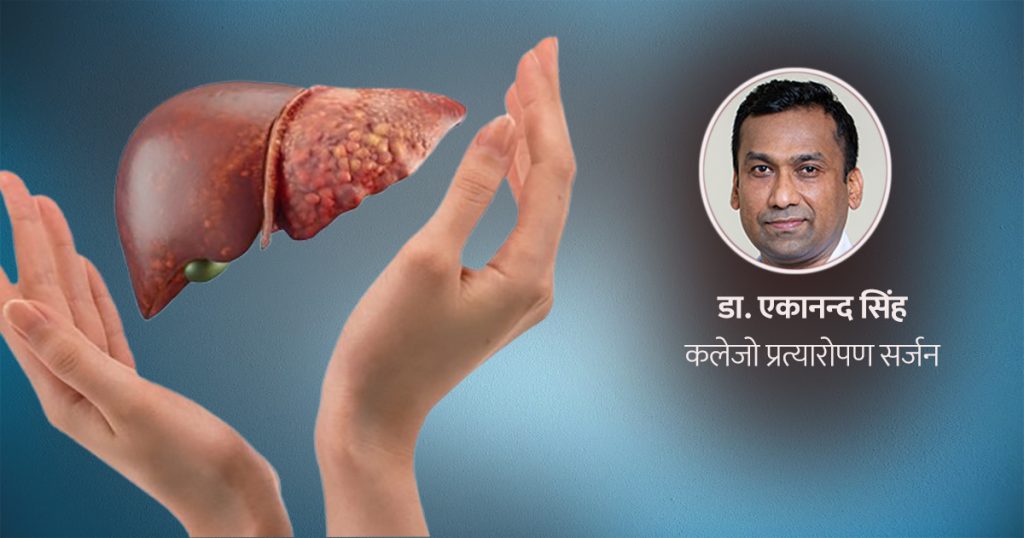
Fatty liver disease, once primarily associated with excessive alcohol consumption, is now increasingly prevalent across all demographics. Key contributing factors include obesity, diabetes, high blood pressure, elevated cholesterol levels, consumption of processed and fatty foods, and a lack of physical activity. A significant challenge with this condition is the absence of noticeable symptoms in its early stages, often leading to delayed diagnosis and treatment. This lack of early warning signs means individuals may not seek medical attention until the disease has progressed. If left untreated, fatty liver can lead to serious complications, including liver cirrhosis and an increased risk of liver cancer. Medical professionals emphasize the importance of lifestyle modifications, such as dietary changes and regular exercise, as crucial for both prevention and management of the condition. Early detection and intervention are vital to mitigate the long-term health consequences.
The rising incidence of fatty liver disease, extending beyond its traditional association with alcohol abuse to encompass lifestyle-related factors like obesity and poor diet, highlights a critical public health challenge. The asymptomatic nature of early-stage fatty liver underscores the need for proactive screening and public awareness campaigns, particularly for at-risk populations. From a systemic perspective, this trend points to broader societal issues related to food environments, sedentary lifestyles, and the management of chronic metabolic conditions. Addressing this requires a multi-faceted approach involving public health initiatives, healthcare system adjustments for early detection, and potentially policy interventions aimed at promoting healthier food choices and physical activity. Over the next decade, understanding and mitigating the progression of fatty liver will be crucial for reducing the burden of liver disease and associated cancers.
AI-generated to prompt reflection — not editorial opinion, not advice, not a statement of fact. How this works.