Fatty Liver Disease: Understanding the Three Stages of Severity
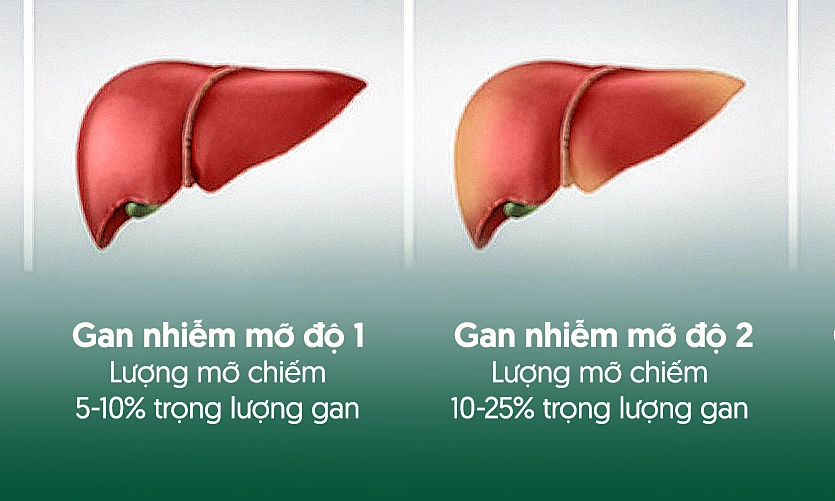
Fatty liver disease is categorized into three distinct stages, each representing a different level of severity and potential impact on liver health. The mildest stage involves minimal fat accumulation, while the subsequent stages indicate increasing amounts of fat in the liver. The third and most advanced stage, known as grade three fatty liver, poses the most significant threat. This advanced stage is associated with severe liver damage and carries a heightened risk of developing serious complications. These complications can include liver cirrhosis, a condition characterized by scarring of the liver tissue, and liver cancer. Early detection and management are crucial to prevent progression to these more severe outcomes.
The classification of fatty liver disease into three grades highlights a progressive pathology where intervention effectiveness likely diminishes with stage advancement. Understanding the differential risks associated with each grade, particularly the severe implications of grade three, underscores the public health imperative for widespread screening and early-stage management strategies. Future approaches may focus on leveraging AI for early detection through non-invasive methods and personalized treatment plans to mitigate the risk of progression to cirrhosis and cancer, addressing the underlying metabolic and lifestyle factors that contribute to this condition.
AI-generated to prompt reflection — not editorial opinion, not advice, not a statement of fact. How this works.