Fauci Declines to Answer COVID Origin Questions in Senate Hearing
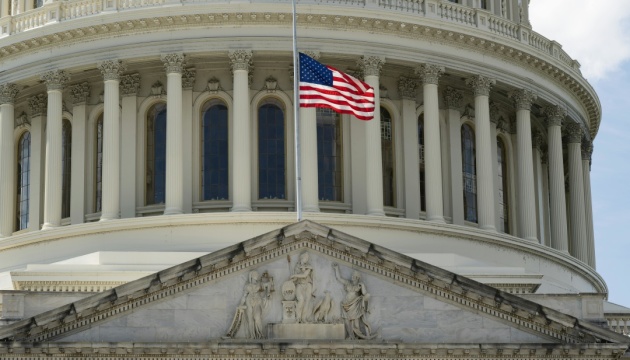
Dr. Anthony Fauci, former director of the U.S. National Institute of Allergy and Infectious Diseases, refused to answer questions during a Senate hearing on Wednesday. The hearing was conducted by a committee investigating the origins of the novel coronavirus. Dr. Fauci, who played a key role in coordinating the U.S. response to the COVID-19 pandemic, was questioned about the virus's emergence. However, he invoked his right to not respond to specific inquiries posed by the committee members. This stance comes as investigations into the origins of COVID-19 continue, with various theories and hypotheses being explored by scientists and policymakers globally. The committee's objective is to gather information and potentially draw conclusions regarding how the pandemic began. Dr. Fauci's decision to not answer has drawn attention amidst ongoing efforts to understand the pandemic's genesis.
Dr. Fauci's invocation of his right to remain silent during a Senate hearing on COVID-19 origins raises questions about transparency and accountability in public health investigations. While individuals have legal rights, the public's need for clear information regarding the pandemic's genesis, especially given its global impact, is substantial. Future pandemic preparedness may hinge on establishing robust frameworks for information sharing and inquiry, balancing individual protections with the collective interest in understanding and preventing future health crises. The dynamics of scientific inquiry, political oversight, and public trust will continue to shape responses to such events in the coming decade.
AI-generated to prompt reflection — not editorial opinion, not advice, not a statement of fact. How this works.