Fauci Senate Hearing Sparks Concerns Over Public Health Staffing
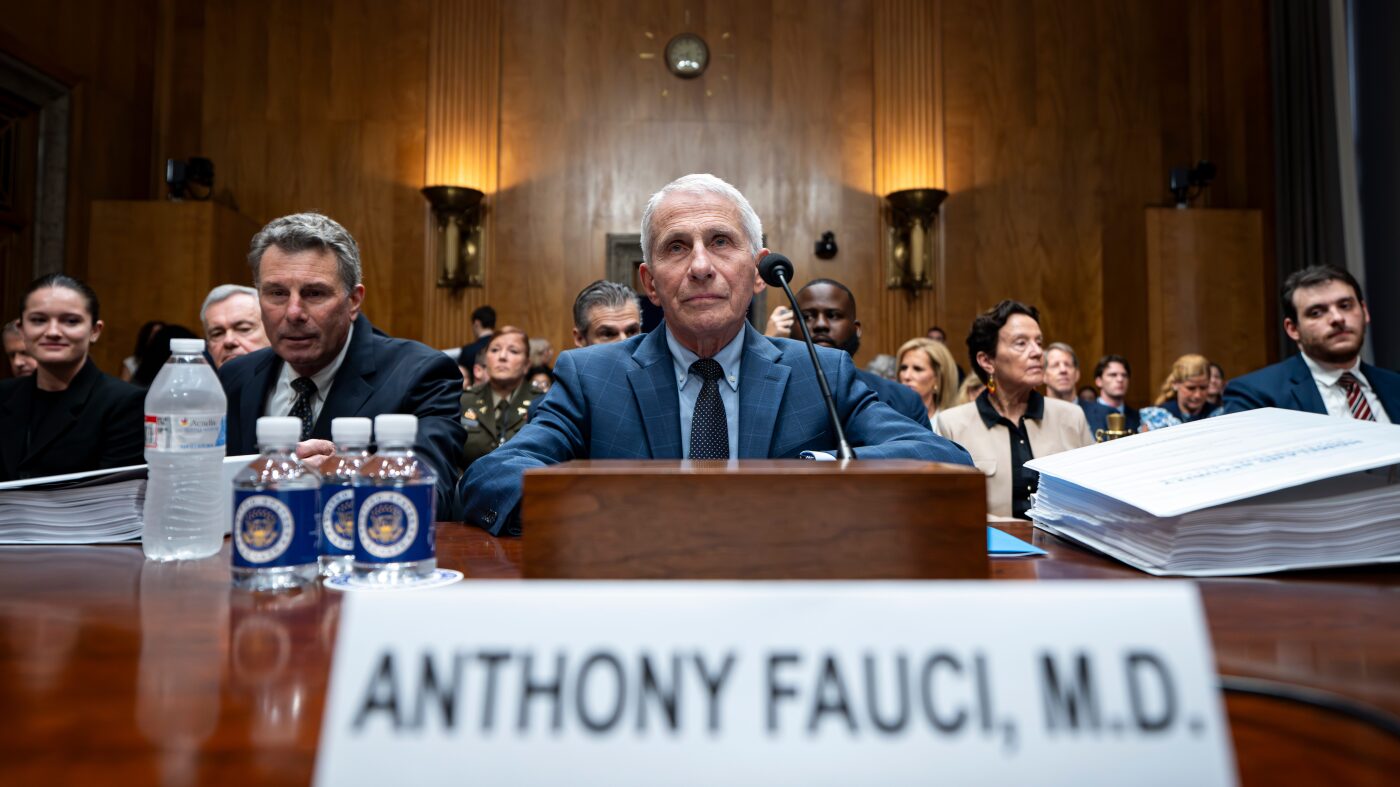
Following a recent Senate hearing involving Dr. Anthony Fauci, a former leading infectious disease expert in the U.S., public health professionals are expressing concern. These experts worry that the accusations and proceedings may have a detrimental impact on the already strained public health workforce. The events could potentially lead to a further decline in staffing levels within public health organizations across the country. This situation raises questions about the future stability and effectiveness of public health infrastructure in the United States. The scrutiny faced by Dr. Fauci, a prominent figure in infectious disease response, has created an environment that some believe is discouraging individuals from pursuing or remaining in public health careers. This potential 'chilling effect' could have long-term consequences for the nation's ability to respond to future health crises. The erosion of public health staffing has been a growing concern, and this recent development may exacerbate the issue. Experts are calling for a careful consideration of the implications for public health preparedness and response.
The scrutiny of prominent public health figures like Dr. Anthony Fauci, particularly in a high-profile Senate hearing, presents a complex dynamic. While accountability is a necessary function of governance, the manner and potential outcomes of such investigations can inadvertently create disincentives for skilled professionals to enter or remain in public service. This could exacerbate existing challenges in public health staffing, potentially impacting the nation's capacity to address future health emergencies. The long-term challenge lies in balancing the need for oversight with the imperative to maintain a robust and motivated public health workforce, ensuring that necessary expertise is available to safeguard public well-being in the evolving landscape of global health threats.
AI-generated to prompt reflection — not editorial opinion, not advice, not a statement of fact. How this works.