FBI Seeks Punjab SHO in ₹3.5 Crore Organized Crime Probe
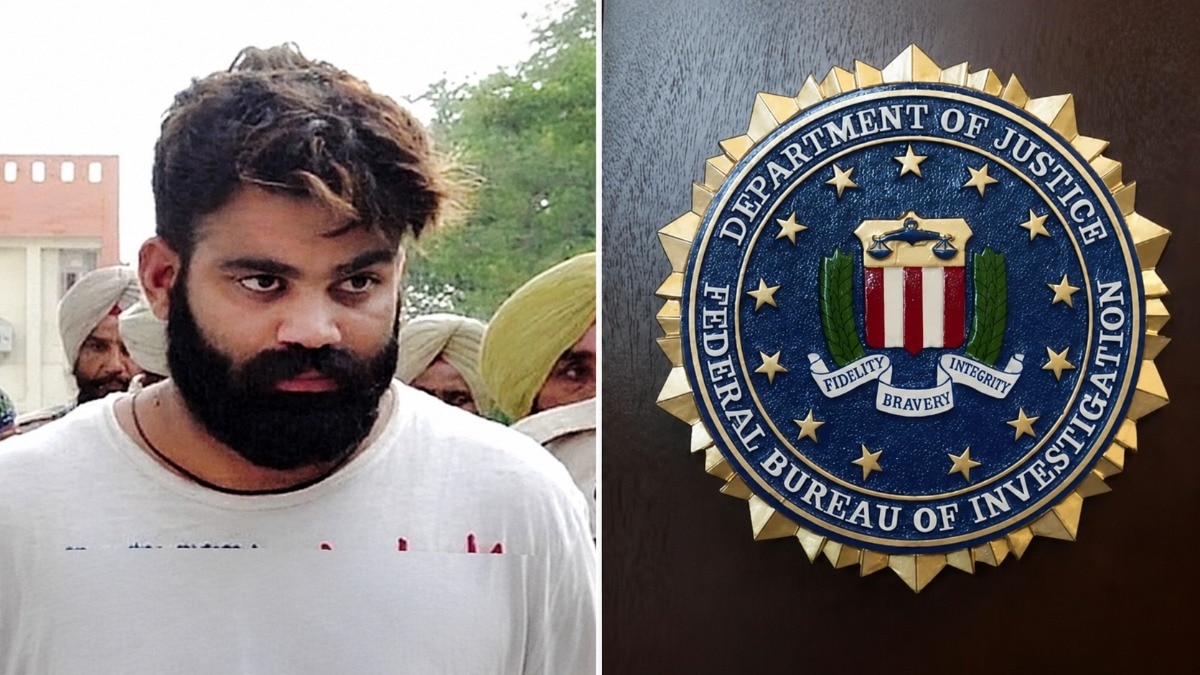
The United States is intensifying its crackdown on organized crime that has expanded across international borders. Agencies from multiple countries are collaborating on cases involving gangster networks, drug trafficking, extortion, and violent crimes. Amidst this global operation, the name of a police officer from Punjab, India, has surfaced, causing a stir. The Federal Bureau of Investigation (FBI) is reportedly searching for a Station House Officer (SHO) from Punjab in connection with a case involving approximately ₹3.5 crore. While the exact details of the SHO's alleged involvement are not yet public, their name has emerged in the context of cross-border criminal investigations. This development highlights the increasing international cooperation among law enforcement agencies to dismantle sophisticated criminal enterprises operating globally. The investigation aims to address the complex web of illicit activities that transcend national boundaries, underscoring the challenges faced by authorities in combating transnational organized crime.
The involvement of an international agency like the FBI in an investigation concerning a local Indian police officer underscores the escalating global nature of organized crime and the need for cross-border law enforcement cooperation. This situation may reflect systemic challenges in preventing the infiltration of criminal elements into law enforcement structures. Future governance frameworks might need to incorporate enhanced vetting processes and international data-sharing protocols to mitigate such risks. The focus on financial crimes like extortion and drug trafficking suggests that disrupting illicit financial flows remains a critical strategy in combating these networks. This event prompts consideration of how international legal frameworks can be further strengthened to ensure accountability across jurisdictions and prevent the exploitation of national borders by criminal organizations.
AI-generated to prompt reflection — not editorial opinion, not advice, not a statement of fact. How this works.