FCC Import Ban on New Robots Sparks Debate on US Industry vs. Innovation
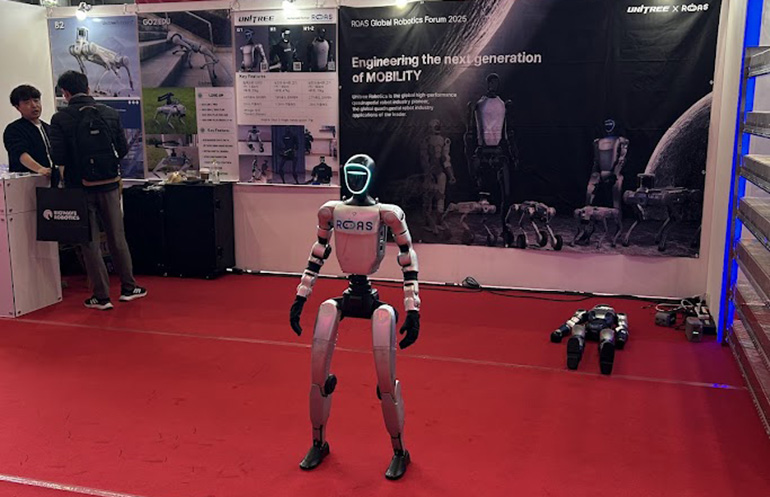
The Federal Communications Commission (FCC) has implemented a ban on certain foreign-made humanoid and mobile robots entering the United States. Industry experts are weighing in on the potential consequences of this decision. Some believe the ban could provide a protective advantage to domestic U.S. robotics manufacturers, potentially fostering growth within the American industry. However, a significant concern raised by these experts is that the restriction might also stifle innovation in the robotics sector. By limiting access to potentially cutting-edge foreign technologies, U.S. companies might face challenges in developing and adopting the latest advancements. This situation highlights a common tension between protecting national industries and encouraging the free flow of technology that drives progress.
The FCC's decision to restrict imports of certain new humanoid and mobile robots presents a complex trade-off. While aiming to bolster domestic manufacturing, such protectionist measures can inadvertently slow technological adoption and innovation by limiting exposure to global advancements. This regulatory approach may create a bifurcated market, potentially increasing costs for U.S. consumers and businesses reliant on these technologies. Over the next decade, as AI integration accelerates across industries, the ability to access and adapt diverse robotic solutions will be crucial for maintaining competitiveness. Policymakers face the challenge of balancing national economic interests with the imperative of fostering a dynamic, globally connected innovation ecosystem.
AI-generated to prompt reflection — not editorial opinion, not advice, not a statement of fact. How this works.