FDA-Approved Drug Shows Promise Against Rare Liver Cancer
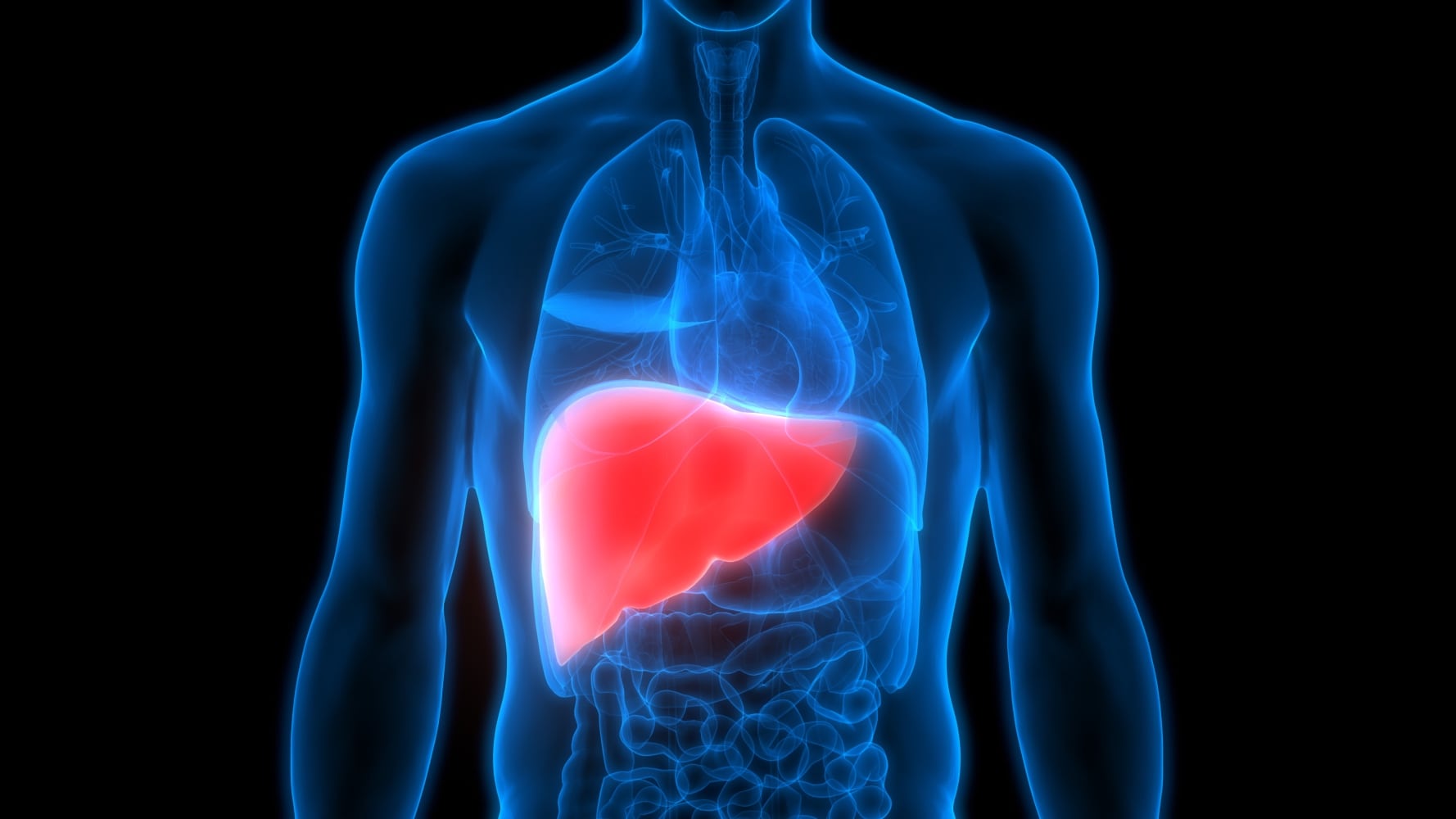
A drug previously approved by the U.S. Food and Drug Administration (FDA) is showing potential as a treatment for fibrolamellar carcinoma, a rare and aggressive form of liver cancer. This type of cancer is notoriously difficult to treat and is often diagnosed at an advanced stage when it has already spread. Recent research indicates that this existing medication could significantly enhance the effectiveness of immunotherapy treatments. The study suggests that by boosting the immune system's ability to fight the cancer, the drug may offer a new therapeutic avenue for patients. Further investigation into this synergistic effect is expected to provide more insights into its clinical application. This development offers a glimmer of hope for individuals diagnosed with this challenging condition.
The repurposing of an existing FDA-approved drug for fibrolamellar carcinoma highlights a strategic approach to drug development, potentially accelerating treatment accessibility. This strategy leverages prior safety and efficacy data, reducing the time and cost associated with de novo drug discovery. The observed synergy with immunotherapy suggests a promising avenue for enhancing treatment outcomes in difficult-to-treat cancers. Future research will likely focus on optimizing dosing and combination regimens to maximize patient benefit while carefully monitoring for any unforeseen toxicities. This development underscores the evolving landscape of cancer therapeutics, where personalized medicine and innovative drug combinations are becoming increasingly central.
AI-generated to prompt reflection — not editorial opinion, not advice, not a statement of fact. How this works.