Fear of Theft Forces Espírito Santo Farmers to Enhance Security, Alter Storage Practices
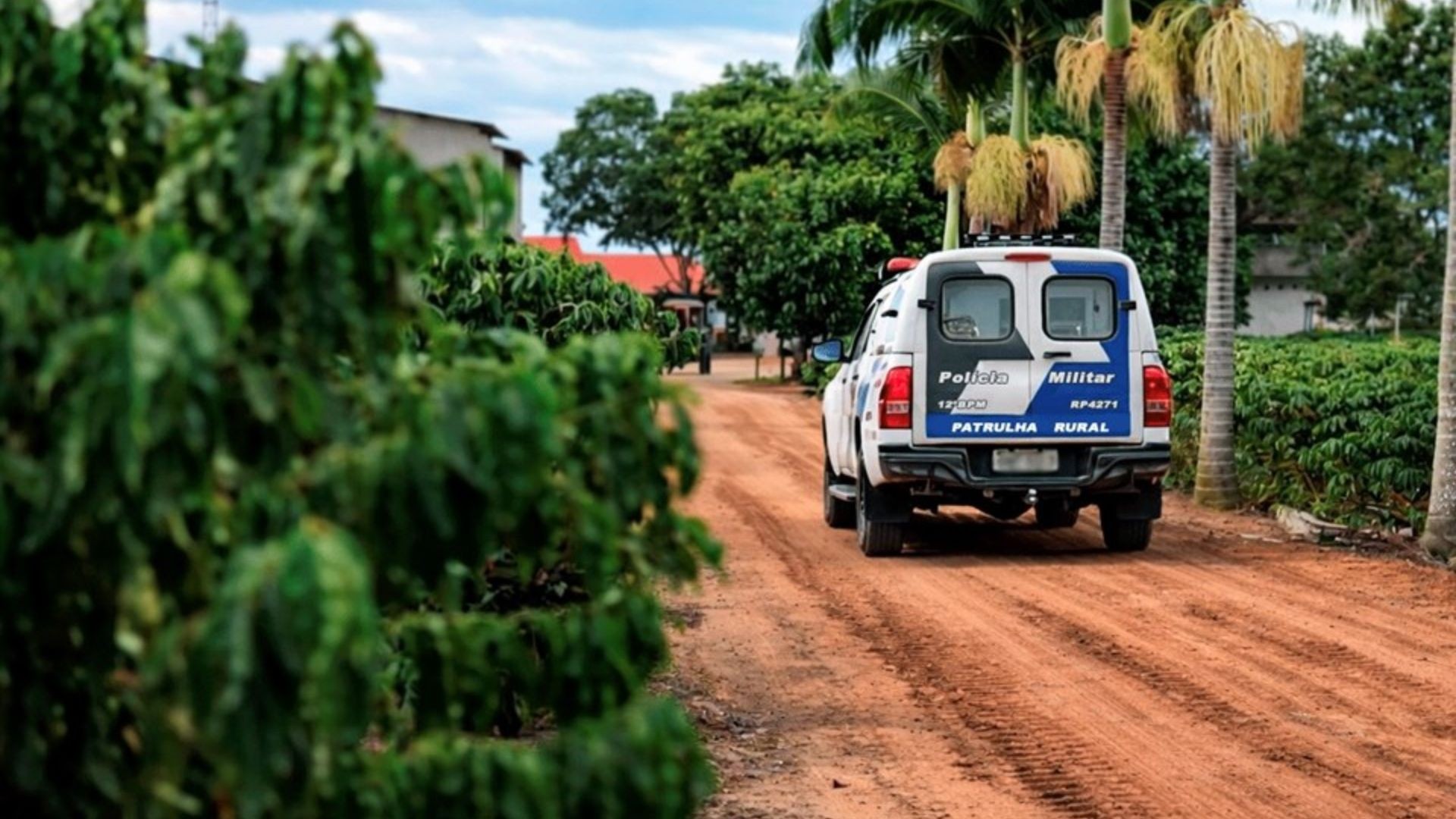
Rural producers in Northern Espírito Santo, Brazil, are significantly altering their routines during the coffee and black pepper harvest seasons due to a rise in thefts and robberies. Farmers are implementing enhanced security measures and changing how they store their valuable crops and livestock. Data from the Secretariat of Public Security indicates 44 theft and robbery cases in the region last year, with 16 already recorded in 2026, 14 of which occurred in rural areas. One black pepper producer, Neomar Pastorini from São Mateus, has stopped storing clients' produce after his property was invaded and equipment stolen, now requiring clients to collect their dried goods immediately. This contrasts sharply with past practices where harvested goods could be left safely for extended periods. Criminals are specifically targeting high-value commodities like black pepper, coffee, and cattle. In response, many farmers are investing in surveillance cameras, guard dogs, and stricter access controls for their properties. The Regional Public Security Council advises caution when hiring temporary workers, recommending identity verification, document checks, and reference inquiries, including criminal background checks. They also suggest avoiding cash payments, refraining from transporting goods at night, and securing machinery and equipment in protected locations. The Military Police have launched "Operation Harvest 2026" to bolster rural policing, involving increased visible patrols, more frequent property visits, and integrated operations with other security agencies. This operation aims to prevent crimes and improve the sense of security for farmers and workers during this busy period. Espírito Santo is a major agricultural hub, being the largest producer of Conilon coffee in Brazil, accounting for approximately 70% of national production and contributing significantly to the state's agricultural GDP. The state also leads Brazil in black pepper production and export, responsible for over 60% of the national harvest, with an estimated output of 80,000 tons. These crops are crucial to the economy of Northern Espírito Santo.
The heightened insecurity faced by rural producers in Espírito Santo highlights a systemic challenge in balancing agricultural productivity with public safety in remote areas. The economic significance of coffee and black pepper production, representing substantial portions of the state's agricultural GDP and national output, underscores the urgency of addressing these security concerns. The shift in producer behavior, from passive storage to active security investments and altered operational protocols, reflects a rational response to escalating risks and financial losses. Future strategies may need to consider integrated approaches that combine technological surveillance, community policing initiatives, and potentially, revised legal frameworks for rural property protection and evidence collection. The long-term sustainability of these vital agricultural sectors depends on creating an environment where producers can operate without the constant threat of criminal activity, ensuring both economic stability and the well-being of those working the land.
AI-generated to prompt reflection — not editorial opinion, not advice, not a statement of fact. How this works.