Fears of Full-Scale War Escalate as US and Iran Exchange Strikes
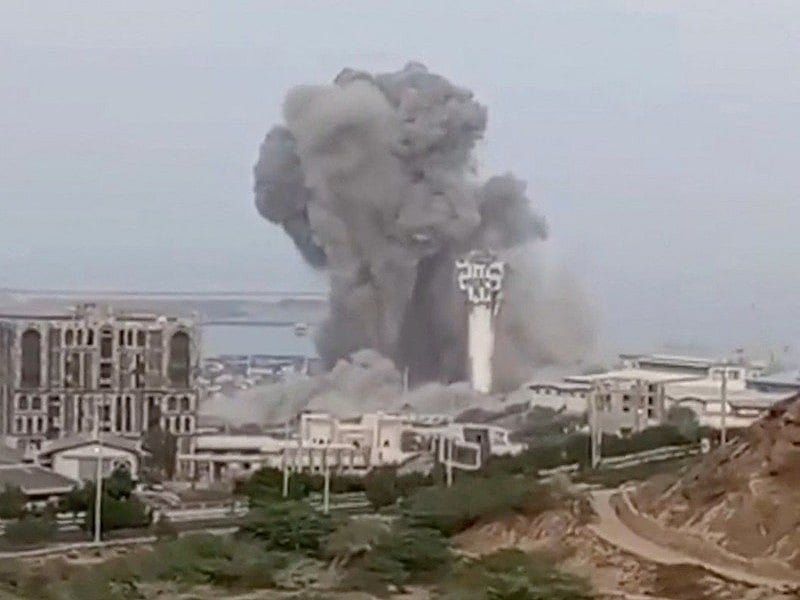
The United States has launched attacks on Iranian military and civilian facilities for the seventh consecutive day. In response, Iran has carried out retaliatory strikes against American installations in several countries within the Persian Gulf region. This escalation marks a significant increase in hostilities between the two nations.
The ongoing exchange of fire raises serious concerns about a broader conflict erupting in the region. Both countries appear to be engaged in a tit-for-tat response, potentially drawing in other regional powers. The duration and intensity of these attacks suggest a deliberate strategy of escalation.
The international community is closely monitoring the situation, with fears growing that the conflict could expand beyond the immediate participants. The implications for regional stability and global energy markets are substantial.
The escalating military actions between the United States and Iran, characterized by reciprocal strikes on military and civilian targets over seven consecutive days, signal a dangerous intensification of regional tensions. This pattern of retaliation, extending to multiple Persian Gulf nations, suggests a strategic calculus aimed at demonstrating resolve while potentially managing escalation. The international community faces the challenge of de-escalating the conflict, navigating the complex geopolitical landscape to prevent a wider conflagration that could destabilize energy markets and broader global security. Future diplomatic frameworks may need to address the underlying grievances and security dilemmas driving such direct confrontations.
AI-generated to prompt reflection — not editorial opinion, not advice, not a statement of fact. How this works.