Feast Day Celebrates Miracle of Saint Euphemia
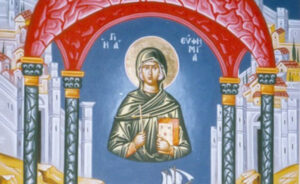
Today marks the celebration of the Miracle of Saint Euphemia, a great martyr. While her martyrdom is commemorated on September 11th, this particular feast day honors the miraculous power of her relics. These relics demonstrated their divine efficacy during the Fourth Ecumenical Council, held in Chalcedon. The council was convened in 451 AD, during the reign of Emperor Marcian and Empress Pulcheria, following the death of Emperor Theodosius the Younger. The impetus for calling the Fourth Ecumenical Council was a significant theological dispute that required resolution. The miracle associated with Saint Euphemia's relics played a crucial role in affirming the council's decisions and solidifying Orthodox Christian doctrine. Her veneration continues to be a significant event for many believers, highlighting faith in divine intervention and the power of sacred relics.
This religious observance centers on the veneration of relics and their purported miraculous properties, a common practice within many faith traditions throughout history. The narrative highlights the role of such relics in resolving significant theological disputes, as exemplified by the Fourth Ecumenical Council in 451 AD. From a historical and sociological perspective, the enduring power of relics often lies in their ability to foster community cohesion, provide tangible links to the past, and offer a focus for collective faith and hope. In the context of the modern era, the continued observance of such traditions reflects a complex interplay between deeply held spiritual beliefs and cultural heritage, demonstrating the persistent human need for meaning and connection beyond the material world.
AI-generated to prompt reflection — not editorial opinion, not advice, not a statement of fact. How this works.