Fed Governor Warsh Vows to Tackle Persistent High Inflation in the US
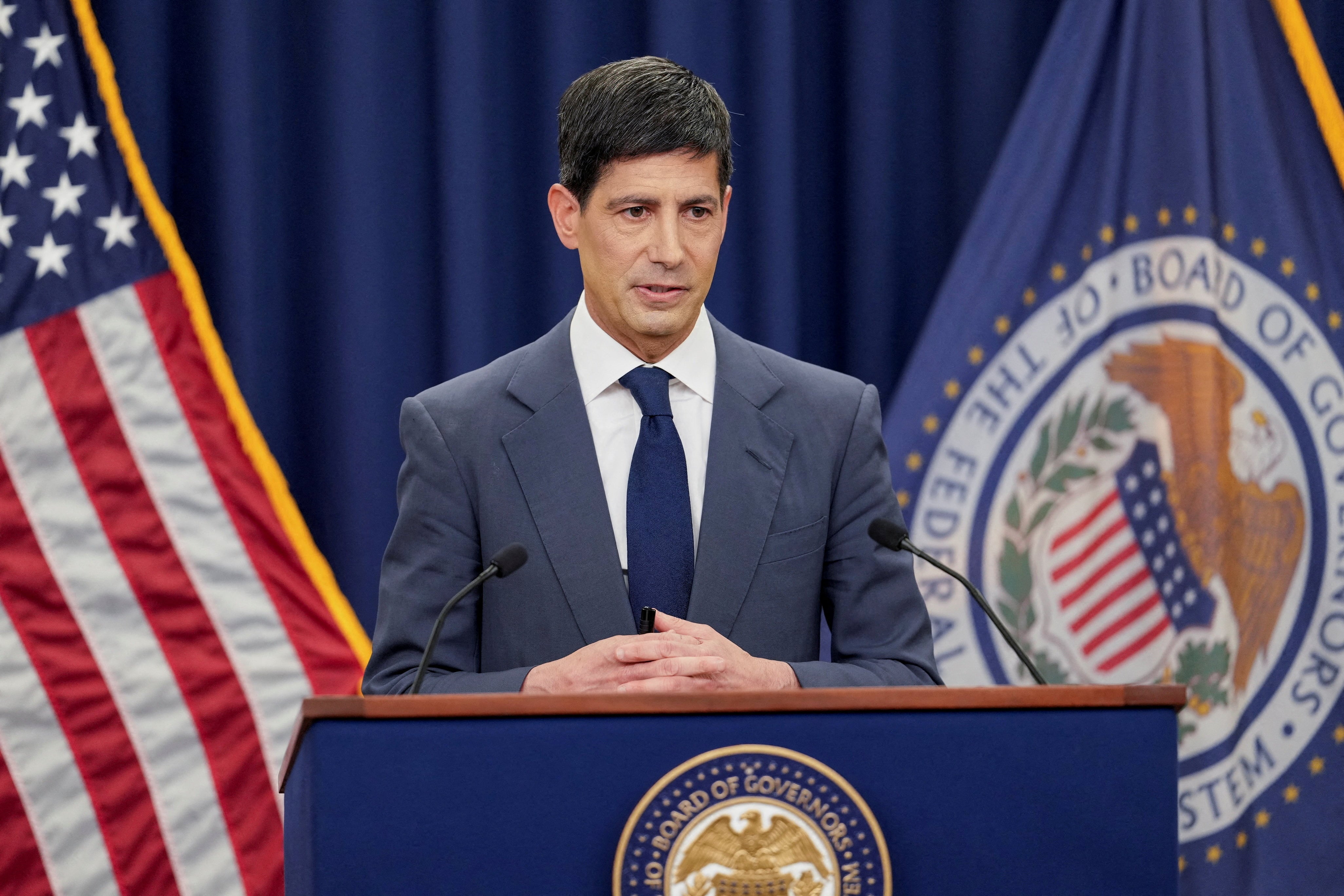
Federal Reserve Governor David Warsh has stated that he will not tolerate persistently high inflation in the United States. Speaking before Congress, Warsh emphasized the central bank's commitment to bringing price increases back down to its target of 2%. He underscored the importance of price stability for the long-term health of the economy. Warsh indicated that the Federal Reserve is prepared to take necessary actions to achieve this goal. The governor's remarks signal a hawkish stance on inflation, suggesting a willingness to tighten monetary policy if needed. This commitment is crucial for maintaining public trust in the Fed's ability to manage the economy effectively. The target of 2% inflation has been a cornerstone of monetary policy for many years. Achieving this objective requires careful monitoring of economic indicators and prompt policy responses. Warsh's testimony highlights the ongoing challenge of balancing inflation control with other economic objectives.
Governor Warsh's statements reflect the Federal Reserve's ongoing challenge in managing inflation expectations and economic stability. The commitment to a 2% inflation target, while a standard monetary policy objective, faces complex dynamics in the current economic landscape. Factors such as supply chain disruptions, geopolitical events, and evolving labor market conditions can create persistent inflationary pressures that test the efficacy of traditional monetary tools. The Fed's strategy will likely involve a careful calibration of interest rate adjustments and quantitative measures, balancing the need to curb inflation with the risk of triggering an economic slowdown. The effectiveness of these measures over the next decade will be influenced by technological advancements, global economic integration, and potential shifts in fiscal policy, all of which could alter the relationship between monetary policy and inflation outcomes.
AI-generated to prompt reflection — not editorial opinion, not advice, not a statement of fact. How this works.