Fed Interest Rate Decision: Fed Chair's Black Box Strategy Unsettles Markets
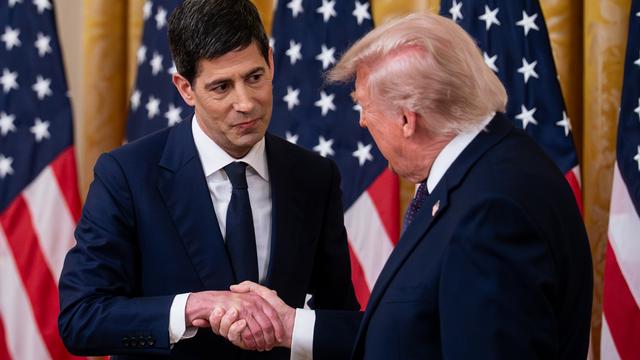
The US Federal Reserve's upcoming interest rate decision is creating uncertainty, particularly regarding the strategy of its new chairman. The new chief, Kevin Warsh, is known to be critical of the practice of signaling future monetary policy moves to financial markets in advance. This departure from previous communication strategies, which aimed to provide transparency and predictability, is now being viewed as a potential risk. The markets are left speculating whether the Fed might surprise them with an unexpected interest rate hike. Warsh's approach suggests a move towards a more opaque decision-making process, diverging from the gradualism and forward guidance that characterized his predecessors' tenures. This shift could lead to increased volatility as investors attempt to decipher the Fed's intentions without clear signals.
The Federal Reserve's potential shift towards a less transparent communication strategy, as suggested by Chairman Warsh's critique of forward guidance, introduces a new dynamic to market expectations. While such a strategy might aim to enhance the Fed's policy flexibility by avoiding market anticipation, it simultaneously increases the risk of misinterpretation and heightened volatility. Investors may struggle to price in future policy moves, potentially leading to sharper market reactions to economic data. This approach challenges the established norms of central bank communication, which have increasingly emphasized predictability to foster financial stability. The long-term implications for market efficiency and the Fed's credibility will depend on how effectively this 'black box' strategy can be managed without causing undue economic disruption.
AI-generated to prompt reflection — not editorial opinion, not advice, not a statement of fact. How this works.