Federal Court Orders 50 Families to Vacate Lajeado Dam Area in Palmas
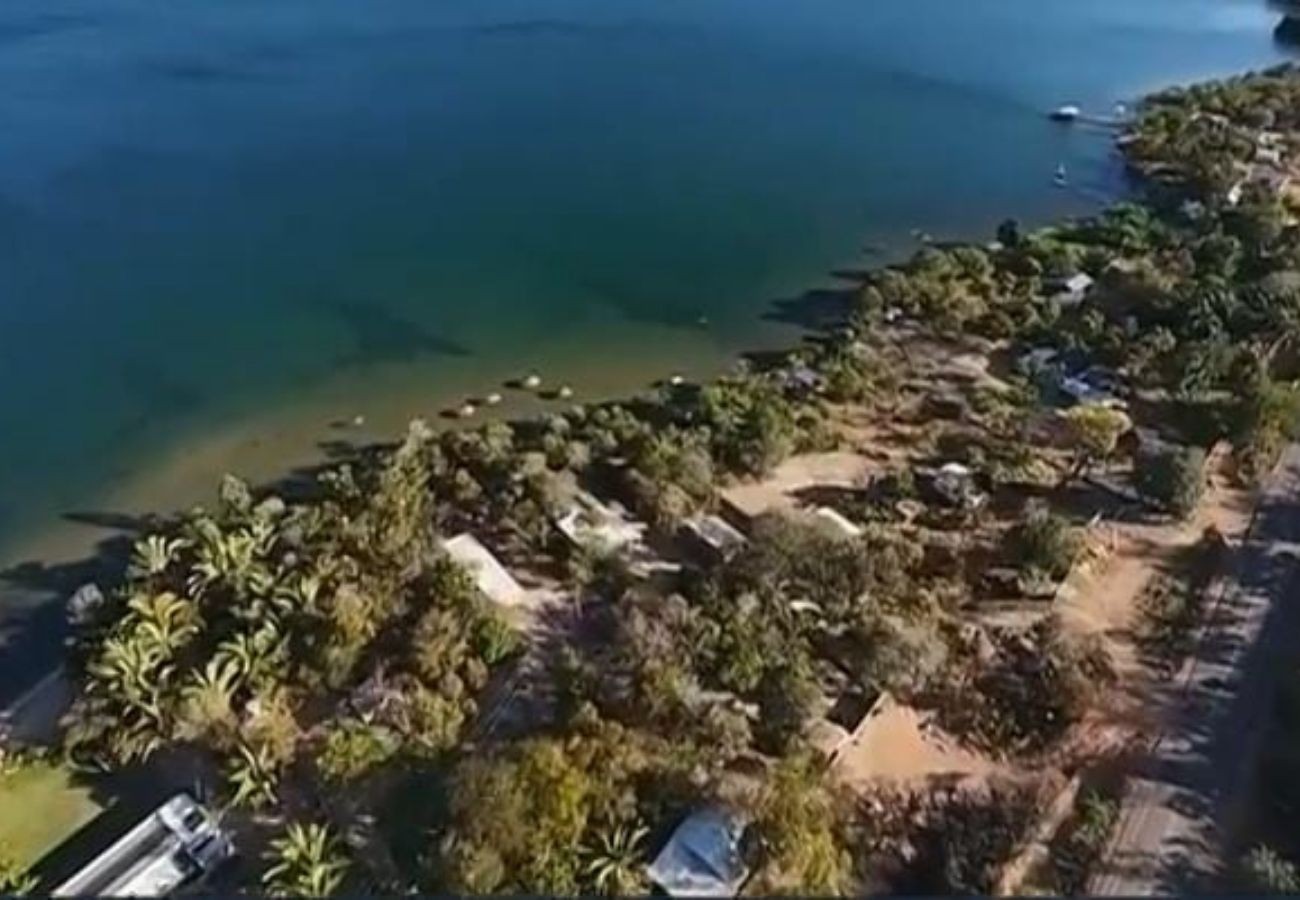
Federal Judge Caroline Baccedo has ordered the eviction of 50 families from their properties located on the shores of the Lajeado Hydroelectric Plant lake, between Palmas and Lajeado. The reintegration of possession request was filed by Investco, the concessionaire responsible for the Luís Eduardo Magalhães Hydroelectric Plant. Families have been given a 15-day deadline to vacate the area, with the potential for forced removal if necessary. In addition to leaving, residents must demolish all existing constructions and remove any improvements made to the properties. This legal dispute between the property owners and Investco has been ongoing since 2014 in the region of kilometers 36 and 37. Residents were initially notified in March, and the decision was confirmed by the Regional Federal Court of the 1st Region (TRF-1) in Brasília. The court has set August 13th for the disconnection of electricity and August 18th for the forced eviction, with assistance from the Military and Federal Police. Investco stated that it is legally obligated to protect the Lajeado Dam area and will comply with the court's decision, cooperating with authorities. Some residents expressed distress, with Tânia Lira noting insomnia since learning of the order and Aloísio Mota, who recently purchased land for a retirement inn, vowing to fight the decision. Nice Antunes asserted that the properties were acquired legally and that this is where they wish to live.
This situation highlights the complex intersection of land use, legal mandates, and individual livelihoods. The federal court's order, driven by Investco's obligation to protect the hydroelectric plant's operational area, underscores the paramountcy of infrastructure security and regulatory compliance in Brazil. However, the displacement of 50 families, some of whom acquired properties recently with retirement or family use in mind, raises questions about the long-term planning and communication surrounding such infrastructure projects. Future considerations might involve more proactive land acquisition strategies or compensation frameworks that account for the socio-economic impacts on established communities, ensuring that development does not inadvertently create hardship for those who have invested in the land, particularly in the context of evolving property markets and personal life plans.
AI-generated to prompt reflection — not editorial opinion, not advice, not a statement of fact. How this works.
