Federal Court Orders Closure of Illegal Landfill on Indigenous Land in Viana, Brazil
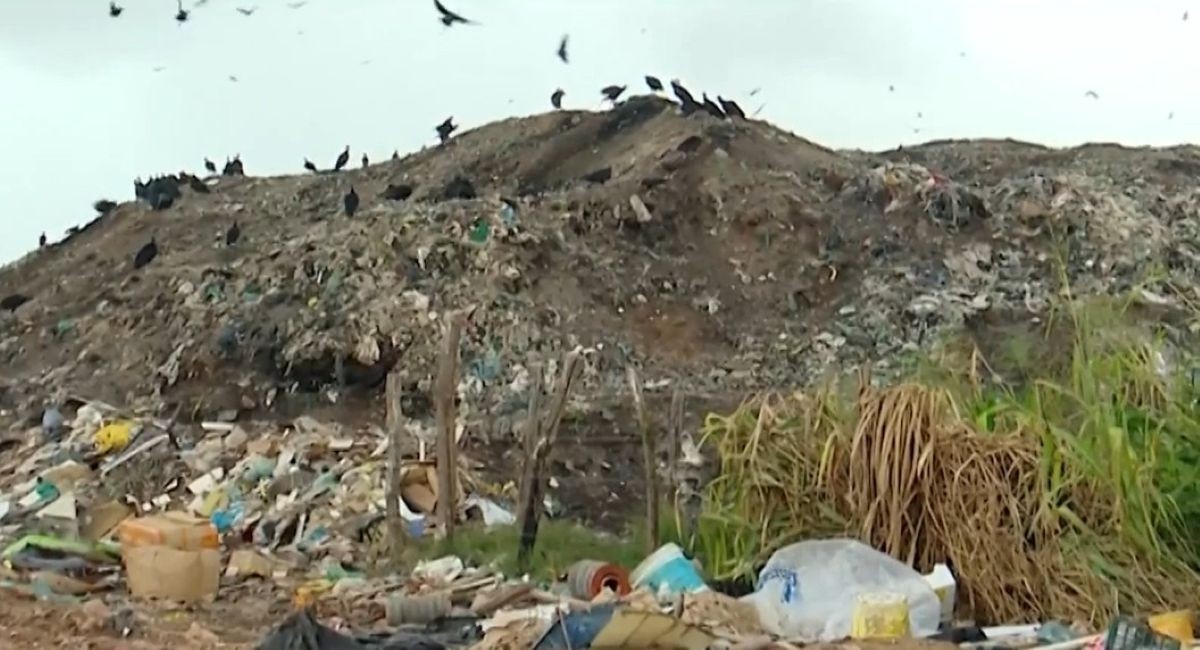
A Federal Court has ordered the municipality of Viana, located in the Baixada Maranhense region of Brazil, to shut down an illegal landfill within six months. This landfill is situated on land claimed by the Akroá-Gamella indigenous people, which is currently undergoing demarcation. The court's decision, prompted by a lawsuit from the Federal Public Prosecutor's Office of Maranhão, also mandates the municipality to remediate the degraded area and implement proper solid waste management.
Inspections conducted between 2023 and 2025 by various environmental and indigenous affairs agencies, including Funai and Ibama, confirmed the open-air dump's operation in the Tabareuzinho/Cavacos settlement within the Taquaritiua Indigenous Land. These inspections revealed the presence of domestic and hospital waste, such as syringes and serum bottles, alongside irregular waste burning and untreated leachate production. The site posed risks of soil and water contamination, attracted disease-carrying animals, and lacked environmental licensing.
Although the Viana municipality claimed the landfill had been deactivated and a transfer station was in use, the court emphasized that past environmental damage requires remediation. The ruling requires the removal and treatment of existing waste, area recovery, and compensation for damages. Failure to comply with the closure order could result in a daily fine of R$5,000, in addition to other legal actions. The municipality must also present a solid waste management plan and a project for a sanitary landfill or equivalent solution within the six-month timeframe.
This judicial intervention highlights a critical conflict between municipal waste management practices and the rights of indigenous communities to their ancestral lands, particularly concerning environmental integrity. The court's ruling underscores the legal imperative to address historical environmental damage, even after operational changes are made. It also points to systemic challenges in ensuring compliance with environmental regulations and solid waste policies across Brazil. The case serves as a reminder of the long-term consequences of inadequate infrastructure and enforcement, and the potential for legal recourse when environmental degradation impacts vulnerable populations and protected territories. Future policy considerations might involve enhanced inter-agency coordination and proactive land-use planning to prevent such disputes and environmental harm.
AI-generated to prompt reflection — not editorial opinion, not advice, not a statement of fact. How this works.