Federal Court Orders Urgent Intervention for Maxakali Indigenous People's Humanitarian Crisis in MG
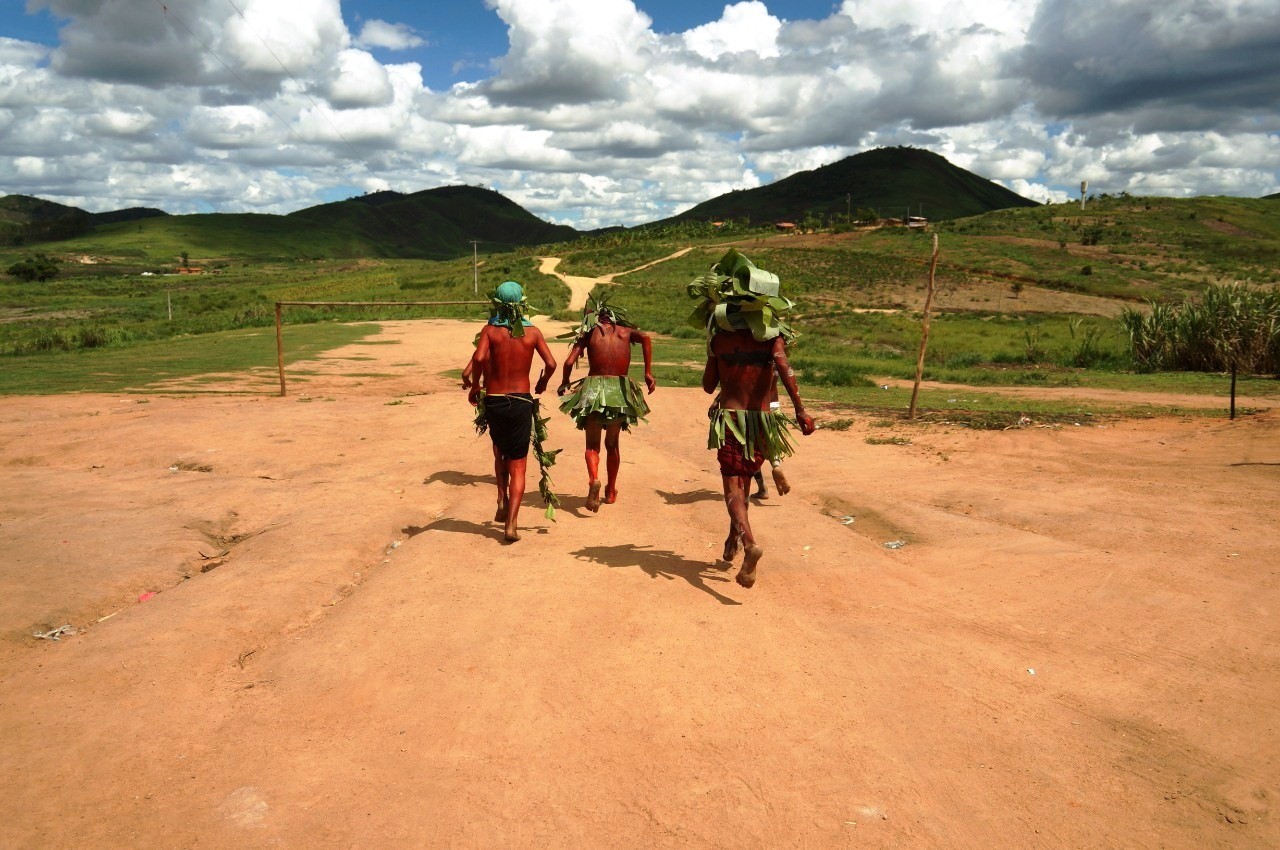
A Federal Court has mandated a series of urgent measures to address the severe humanitarian crisis affecting the Maxakali indigenous people in the Mucuri Valley region of Minas Gerais, Brazil. The preliminary decision, issued by Judge Antonio Lucio Tulio de Oliveira Barbosa on Thursday, May 23rd, partially grants a request from the Federal Public Prosecutor's Office (MPF). The MPF had denounced the dire living conditions and critical healthcare situation faced by the indigenous community. Judge Barbosa characterized the situation as an "Unconstitutional State of Affairs," citing profound violations of fundamental rights. Notably, the court highlighted that infant mortality rates among the Maxakali are up to ten times higher than among the non-indigenous population in the same area. The ruling also addresses critical issues such as the lack of potable water, chronic malnutrition, inadequate access to healthcare, and allegations of institutional racism. The directives are aimed at the federal government (União), the National Indian Foundation (Funai), the Minas Gerais state government, and the municipalities of Bertópolis, Ladainha, Santa Helena de Minas, and Teófilo Otoni. The court has set varying deadlines, from 24 hours to 60 days, for compliance with specific actions. These include immediate medical examinations for diarrhea outbreaks within 24 hours, processing lab results within 15 days, and initiating regular potable water supply, 24-hour healthcare access, basic food basket distribution, and investigations into racism allegations within 30 days. Further actions within 45 and 60 days involve periodic health screenings, formalizing discrimination probes, reinforcing healthcare teams, resuming Funai's on-site activities, training SUS professionals, and structuring the Verde Village Indigenous Basic Health Unit. Failure to comply could result in daily fines ranging from R$15,000 to R$60,000, to be deposited into the Fund for the Defense of Diffuse Rights.
The Federal Court's intervention highlights a systemic failure in providing basic human rights and essential services to the Maxakali indigenous community, as evidenced by the "Unconstitutional State of Affairs" and disproportionately high infant mortality. This situation underscores the persistent challenges in ensuring equitable access to healthcare, clean water, and protection against discrimination for indigenous populations in Brazil. The court's detailed, time-bound mandates represent a critical step towards accountability, shifting the burden from the community to the responsible governmental bodies. Looking ahead, the long-term sustainability of these interventions will depend on robust oversight, adequate resource allocation, and a fundamental reevaluation of public policy frameworks to proactively address the structural inequalities that perpetuate such crises. The case also prompts reflection on the efficacy of existing governance structures in safeguarding the rights of vulnerable groups and the potential for technology and improved administrative processes to prevent future lapses in essential service delivery.
AI-generated to prompt reflection — not editorial opinion, not advice, not a statement of fact. How this works.