Federal Court Upholds Ban on Entry Fees for Jericoacoara Village
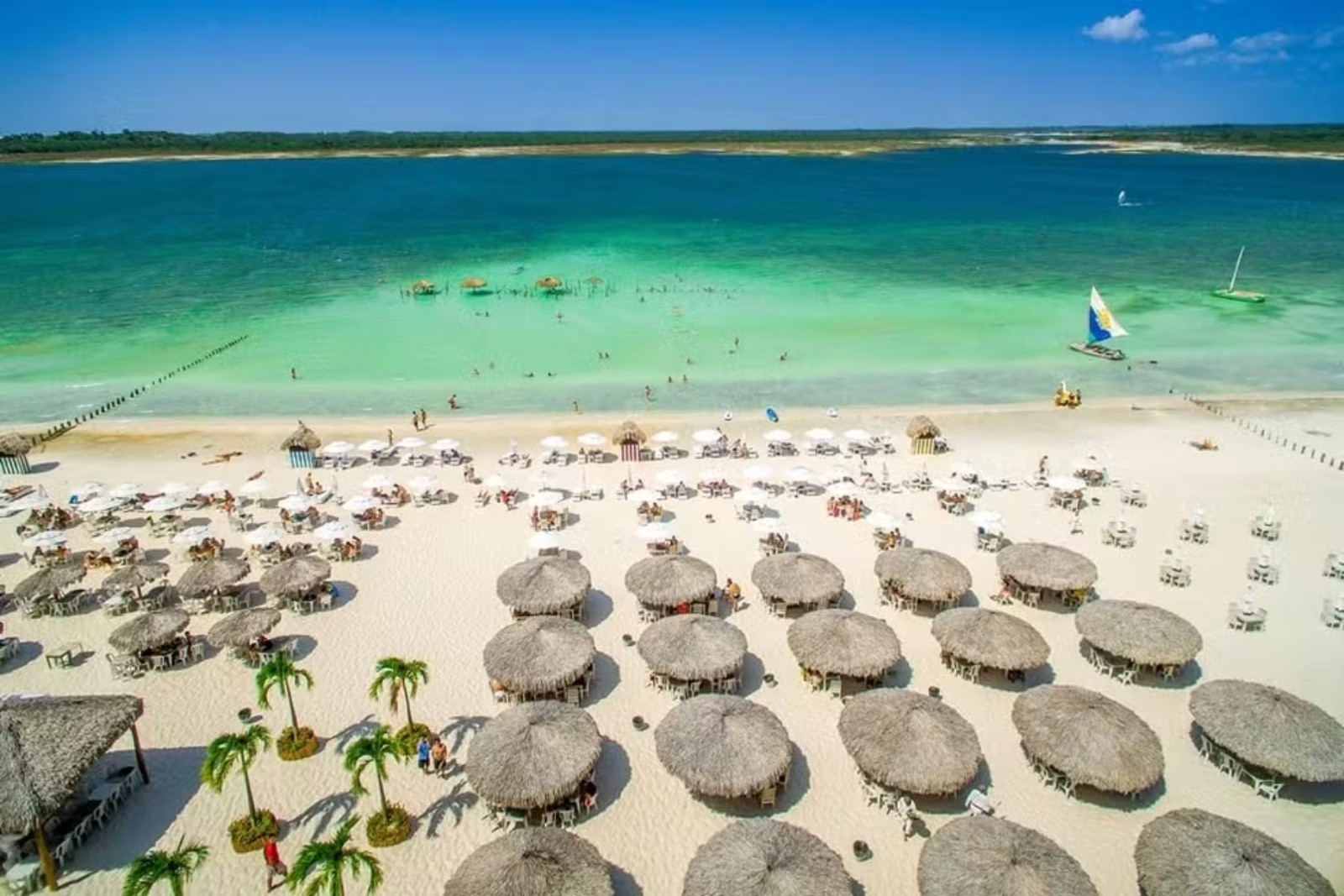
A Federal Court has once again ruled against the imposition of an entry fee for the popular tourist village of Jericoacoara, located on the coast of Ceará, Brazil. The concessionaire, Urbia Cataratas Jeri, had been attempting to charge R$50 for access to the village. However, the Regional Federal Court of the 5th Region (TRF5) confirmed a previous decision limiting the company's ability to collect fees solely for access to tourist attractions managed by the company. This ruling prohibits automatic taxation for anyone entering the village itself. The court also authorized construction work by Urbia Cataratas Jeri within the park. The legal dispute began in early 2022 when a court initially allowed fees only for specific attractions managed by the concessionaire, while barring charges for general access to the National Park. Both the concessionaire and the Chico Mendes Institute for Biodiversity Conservation (ICMBio) appealed the decision to the TRF5, but their appeals were rejected. The concessionaire's subsequent attempt to overturn the ruling through clarification motions was also unanimously denied by the TRF5 in early July, upholding the prior decision in favor of the Municipality of Jijoca de Jericoacoara. Legal representatives for local community and business councils hailed the decision as a victory for residents and visitors, asserting the right to free access to Jericoacoara village, with fees only applicable to designated attractions within the National Park.
This judicial decision addresses the tension between private concessionaires managing public natural resources and the principle of free access for local communities and tourists. The court's consistent upholding of the ban on general village entry fees, while permitting charges for specific managed attractions, aims to balance commercial interests with public accessibility. This ruling highlights the importance of clear contractual boundaries and regulatory oversight in managing popular tourist destinations. Future governance models may need to proactively define access rights and revenue-sharing mechanisms to prevent protracted legal battles and ensure sustainable tourism that benefits both local economies and the preservation of natural sites. The case underscores the ongoing challenge of integrating private sector efficiency into public service delivery without compromising equitable access or creating undue financial burdens on users.
AI-generated to prompt reflection — not editorial opinion, not advice, not a statement of fact. How this works.