Federal Deputy Carlos Sampaio Considers 2028 Campinas Mayoral Run
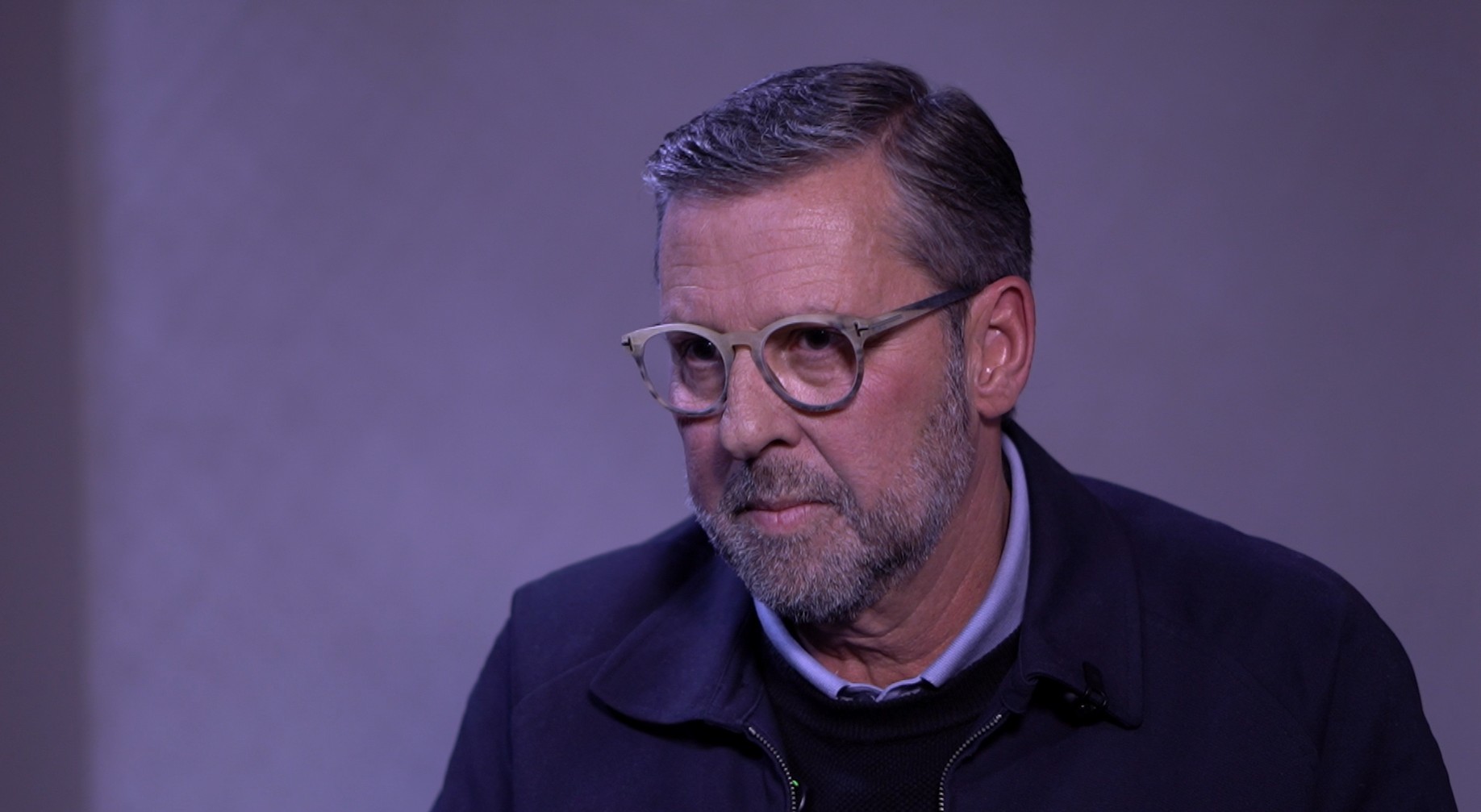
Federal Deputy Carlos Sampaio (PSD) has indicated he may run for Mayor of Campinas, São Paulo, in 2028. This potential candidacy is contingent on an agreement with the current mayor, Dário Saadi (Republicanos), who is ineligible for re-election after completing his second term. Sampaio, who is already a pre-candidate for federal deputy in the 2026 elections, has previously run for mayor of Campinas three times, in 2000, 2004, and 2008, without success. He is seeking his seventh term as a federal deputy in 2026 and has admitted he might leave that role after two years to pursue the mayoral office if it aligns with his party's and the city's interests. Sampaio emphasized that any candidacy would be with Saadi's consent, aiming for a joint decision on who would best succeed him. He believes the PSD party, which holds the most mayoral positions in Brazil, could present a consensus candidate. Sampaio cited increased encouragement from local candidates as a reason for reconsidering his mayoral aspirations. Known for his firm stance against the left and consistent criticism of federal governments, Sampaio stated he would vote for Bolsonaro over Lula. Despite his strong political positioning, he expressed concern over growing polarization, advocating for balance, common sense, and dialogue, while maintaining his political convictions.
This development highlights the intricate dynamics of Brazilian municipal politics, where federal ambitions often intersect with local leadership aspirations. Deputy Sampaio's conditional openness to a 2028 mayoral bid, dependent on the incumbent's approval, suggests a strategic approach to consolidating party influence and navigating potential electoral alliances. The consideration of a federal deputy potentially vacating their seat after two years to pursue a municipal role underscores the perceived value and strategic importance of mayoral offices within the Brazilian political landscape. This situation prompts reflection on the incentives driving political careers and the long-term planning involved in party power consolidation, particularly in a highly polarized environment where consensus-building remains a critical, yet challenging, endeavor.
AI-generated to prompt reflection — not editorial opinion, not advice, not a statement of fact. How this works.