Federal Government Recognizes Emergency in Over 20 Rio Grande do Sul Municipalities
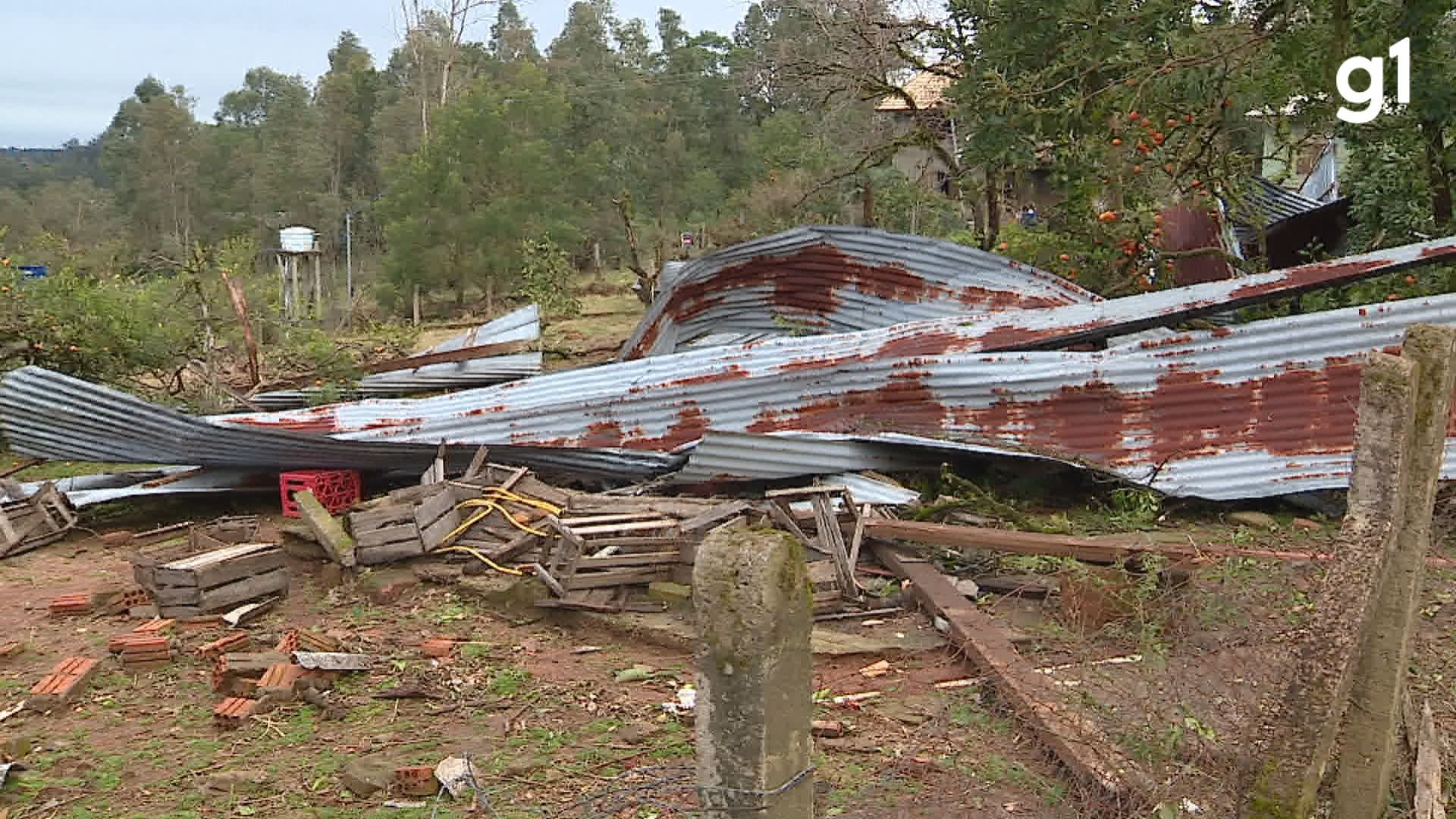
The federal government has officially recognized the state of emergency in more than 20 municipalities across Rio Grande do Sul, Brazil. These declarations are primarily in response to severe rainfall events that occurred in May and early July of this year, rather than the most recent storms. The latest decree was published on Friday, July 24th. Eldorado do Sul, located in the Porto Alegre Metropolitan Region, is among the affected cities, having experienced roof damage and hundreds of displaced residents following a July 11th storm characterized by strong winds and hail. The National Secretariat of Civil Protection and Defense Civil lists several affected municipalities, including Áurea, Braga, Constantina, and Getúlio Vargas, among others. Seven other cities, such as São Sepé and Erval Seco, had their emergency status recognized on Monday, July 20th. Recognition of a state of emergency grants these municipalities access to federal funds designated for disaster response and recovery. Following the approval of their work plans, the federal government can disburse resources for relief efforts, aid to affected families, and the reconstruction of damaged infrastructure. Currently, Rio Grande do Sul is grappling with another intense rainfall episode, leaving 1,800 people displaced. The state's Civil Defense reported damage in 203 municipalities, including floods, landslides, road closures, and residential damage, prompting the precautionary evacuation of residents. As of the latest update, 1,315 people are sheltered by the state government, while the Civil Defense reports 565 residents have been temporarily relocated.
The federal government's recognition of emergency situations in Rio Grande do Sul highlights the recurring vulnerability of the region to extreme weather events, exacerbated by climate change. While emergency declarations unlock crucial federal aid for immediate relief and reconstruction, they underscore a systemic challenge in disaster preparedness and long-term resilience planning. The repeated need for such declarations suggests that current infrastructure and urban planning may not adequately account for the increasing frequency and intensity of rainfall. Future policy considerations should focus on integrating climate adaptation strategies into development, potentially through enhanced early warning systems, improved land-use regulations in flood-prone areas, and investments in green infrastructure that can mitigate the impact of such events over the next decade.
AI-generated to prompt reflection — not editorial opinion, not advice, not a statement of fact. How this works.