Federal Highway Police Boost Patrols on BR-163 in Santarém for School Holiday Operation
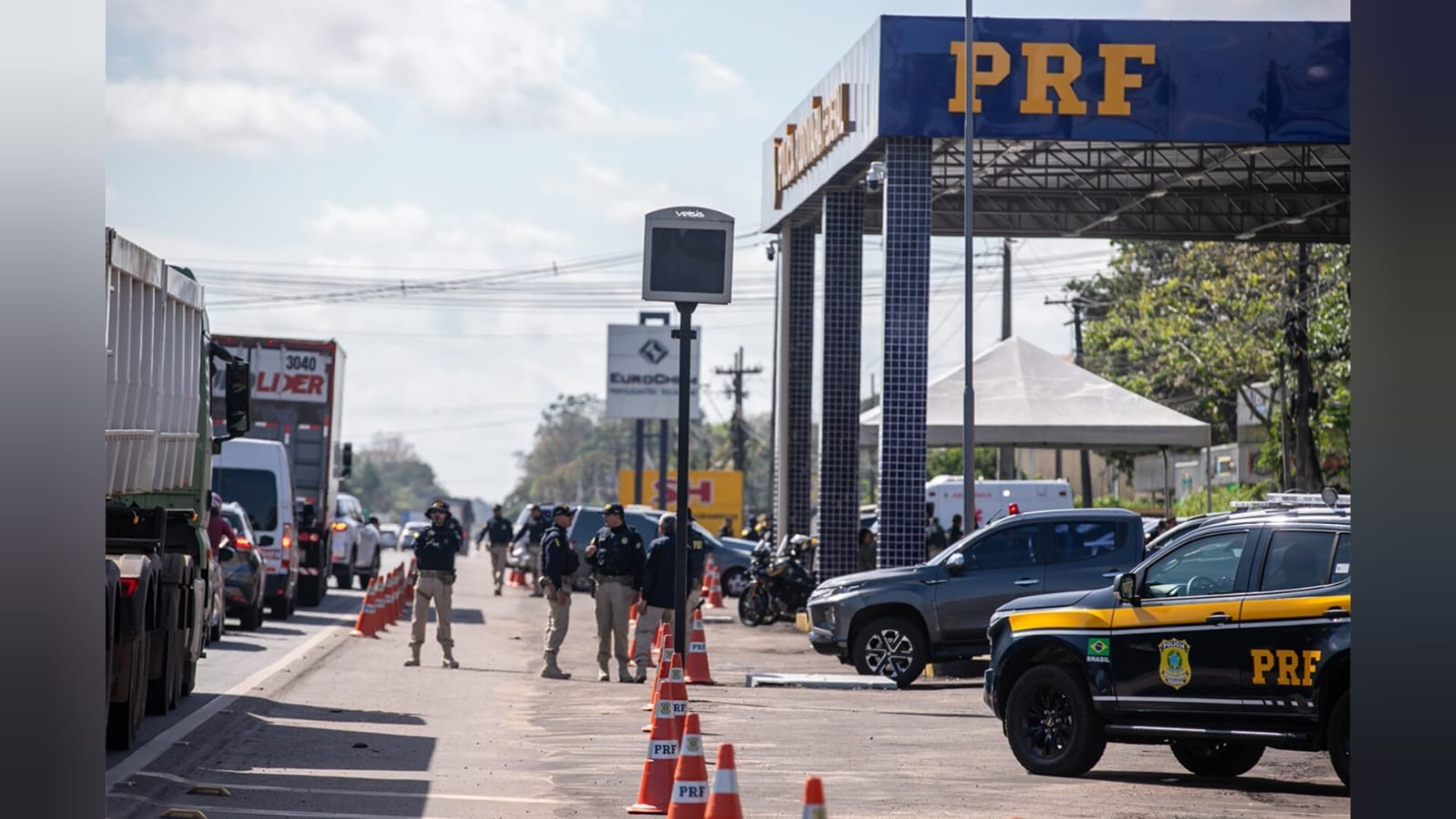
The Federal Highway Police (PRF) in Pará, Brazil, has launched its "Operação Férias Escolares 2026" (School Holiday Operation 2026), which will run from July 3rd to August 3rd. This initiative aims to increase policing and traffic enforcement on federal highways, particularly on routes experiencing higher traffic volumes and a history of incidents. Key areas of focus include BR-316, connecting the state capital to its interior, and BR-163 in Santarém, western Pará. The operation is a response to the significant increase in traffic expected during the school recess, a period that saw 95 accidents, 140 injuries (40 severe), and 29 fatalities on federal highways in the state last July. To address these risks, approximately 350 police officers will be deployed in shifts. The primary enforcement targets will be speeding, driving under the influence of alcohol, improper overtaking, and the absence of mandatory safety equipment. Beyond enforcement and citations, officers will also conduct educational outreach at critical locations, informing drivers about the dangers of these infractions and their personal responsibility in preventing accidents and fatalities during travel periods.
The "Operação Férias Escolares" highlights a recurring challenge in public safety: managing increased risks associated with seasonal travel surges. By concentrating resources on known high-risk behaviors and locations, the PRF aims to mitigate predictable increases in accidents, injuries, and fatalities. This data-driven approach, informed by past incidents, is a rational response to predictable human behavior during holiday periods. Looking ahead, the integration of advanced traffic monitoring technologies and data analytics could further optimize resource allocation and predictive enforcement, potentially reducing the reliance on broad-stroke operations and moving towards more dynamic, real-time risk management systems. The operation also underscores the ongoing societal tension between individual freedom of movement and collective safety imperatives, a dynamic that will continue to shape transportation policy and enforcement strategies in the coming decade.
AI-generated to prompt reflection — not editorial opinion, not advice, not a statement of fact. How this works.