Federal highways in Piauí identify 100 high-risk locations for child sexual exploitation
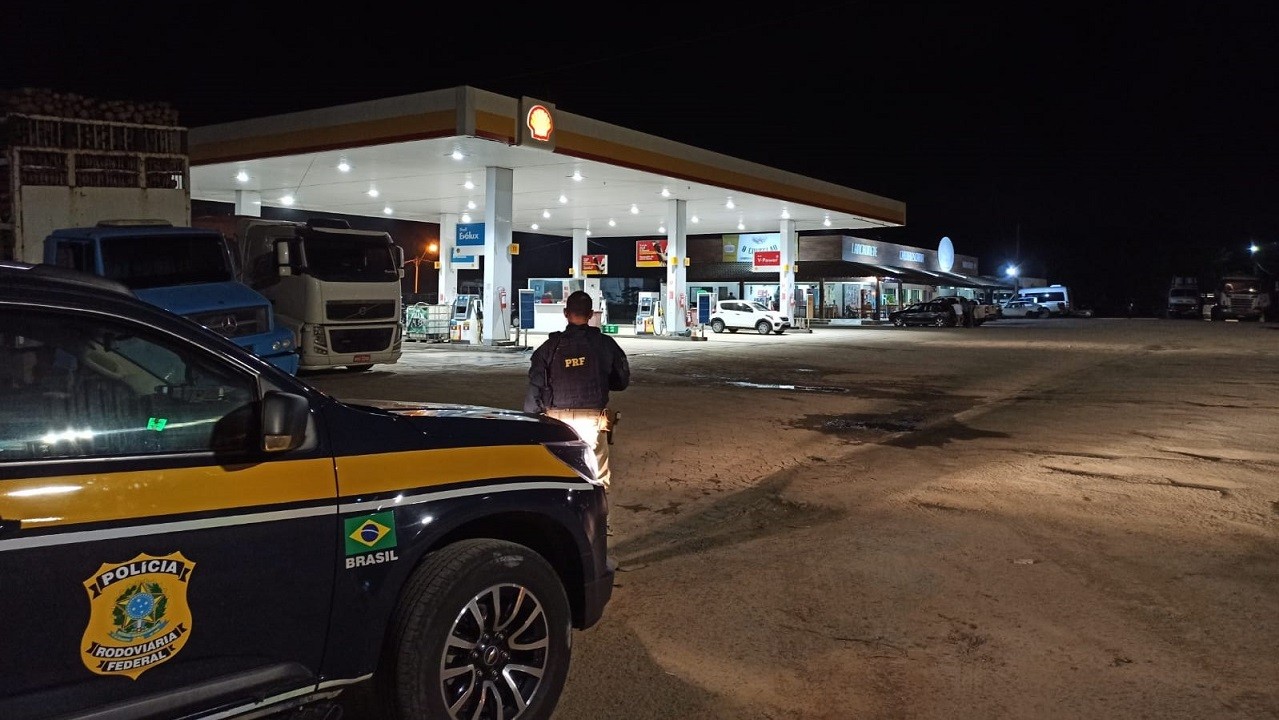
The Federal Highway Police (PRF) in Piauí has identified 100 locations along federal highways with a high risk of child and adolescent sexual exploitation, according to the 'Projeto Mapear' initiative. Of these, 11 locations are classified as critical. These high-risk areas are defined as places with significant human traffic, such as service stations, rest stops, and commercial establishments. The classification indicates the presence of factors that could facilitate exploitation, rather than confirming the occurrence of the crime itself. The data, released in June of this year and pertaining to the 2025/2026 period, analyzed 2,533 points in Piauí based on indicators like lighting, cargo volume, and adult prostitution incidence. These points were categorized into four risk levels: low, medium, high, and critical. Piauí leads in the number of mapped points, followed by Minas Gerais (2,170) and Santa Catarina (928). Despite the high volume, Piauí registered the lowest percentage of critical (0.43%) and high-risk (3.51%) points nationally, totaling 3.94%. Compared to the previous biennium (2023/2024), there was a reduction in critical points from 0.76% to 0.43% and high-risk points from 5.69% to 3.51%. The PRF attributes this decrease to the positive impact of prevention efforts. The study aims to inform public policy and involved the Ministry of Human Rights and Citizenship, the Public Prosecutor's Office of Labor (MPT), the National Council of the Public Prosecutor's Office (CNMP), and Childhood Brasil.
This mapping initiative by the Federal Highway Police in Piauí highlights the proactive identification of potential vulnerabilities to child sexual exploitation along transportation corridors. By analyzing factors such as human traffic and proximity to commercial hubs, the PRF is employing a data-driven approach to resource allocation and prevention strategies. The reported reduction in critical and high-risk points compared to the previous biennium suggests that targeted interventions may be yielding positive outcomes. However, the ongoing presence of 100 high-risk locations underscores the persistent challenges in safeguarding children and adolescents. Future efforts could focus on understanding the systemic factors contributing to these vulnerabilities, such as socioeconomic conditions and the effectiveness of existing legal and social support frameworks, to further refine prevention and response mechanisms in the long term.
AI-generated to prompt reflection — not editorial opinion, not advice, not a statement of fact. How this works.