Federal Institute of Northern Minas Gerais Seeks Energy Sector Teachers
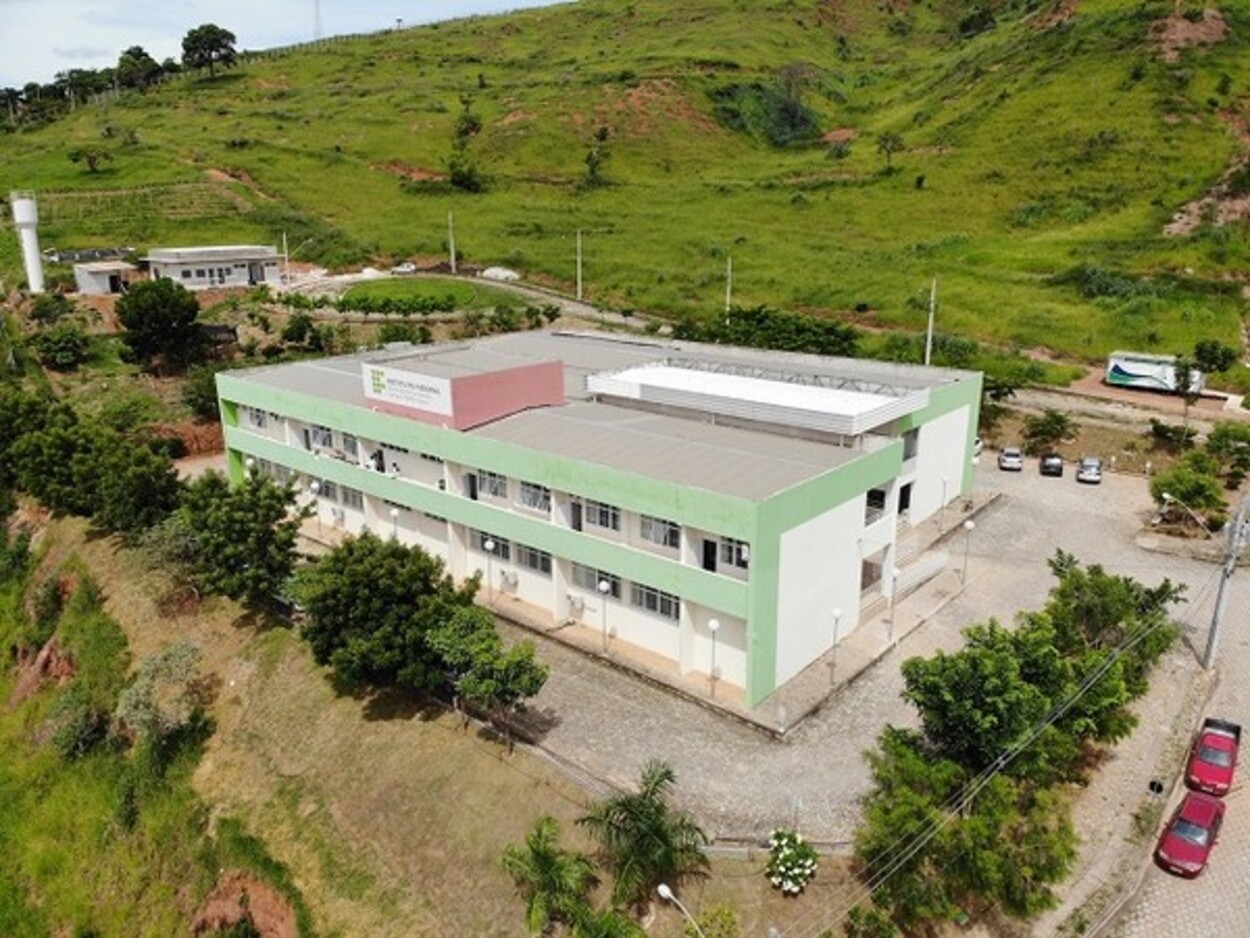
The Federal Institute of Northern Minas Gerais (IFNMG) has opened applications for new teachers to instruct courses in the energy sector. These positions are available in five cities: Pirapora, Januária, Montes Claros, Teófilo Otoni, and Capelinha. The application period runs until July 23rd and can be completed via an online form. The selected educators will teach in the Initial and Continuing Education (FIC) courses under the EnergIFE Program. Specific minimum qualifications will vary depending on the chosen discipline. Teachers will be compensated at a rate of R$50 per 60-minute class hour, with a maximum workload of 16 hours per week. Classes are scheduled to be held in person, primarily on weekday evenings from 7 PM to 10 PM, with some potential Friday sessions. Approved candidates will form a reserve pool for future teaching needs, with each applicant eligible to apply for up to seven different subjects. The selection process involves a single stage: initial verification of minimum qualifications, followed by a scoring system evaluating academic background, teaching/research/extension experience, scientific output, administrative roles, professional experience, and specific area training, totaling up to 100 points.
This recruitment initiative by IFNMG highlights a strategic focus on emerging energy technologies, including solar photovoltaics, electric vehicles, and energy efficiency through automation. The program's structure, offering specific courses and disciplines across multiple municipalities, aims to build a localized talent pipeline for these critical sectors. The compensation model, based on hourly rates and limited weekly hours, suggests a need for part-time instructors, potentially drawing from industry professionals or academics seeking supplementary work. The multi-faceted evaluation criteria for candidates indicate a desire for a blend of theoretical knowledge and practical experience, crucial for vocational training in technical fields. This approach aligns with broader national and global trends emphasizing renewable energy and sustainable practices, positioning the institute to contribute to regional economic development and workforce preparedness in the evolving energy landscape.
AI-generated to prompt reflection — not editorial opinion, not advice, not a statement of fact. How this works.