Federal Police Delegate Detained for Disrespecting Officers and Racial Insults in Paraná
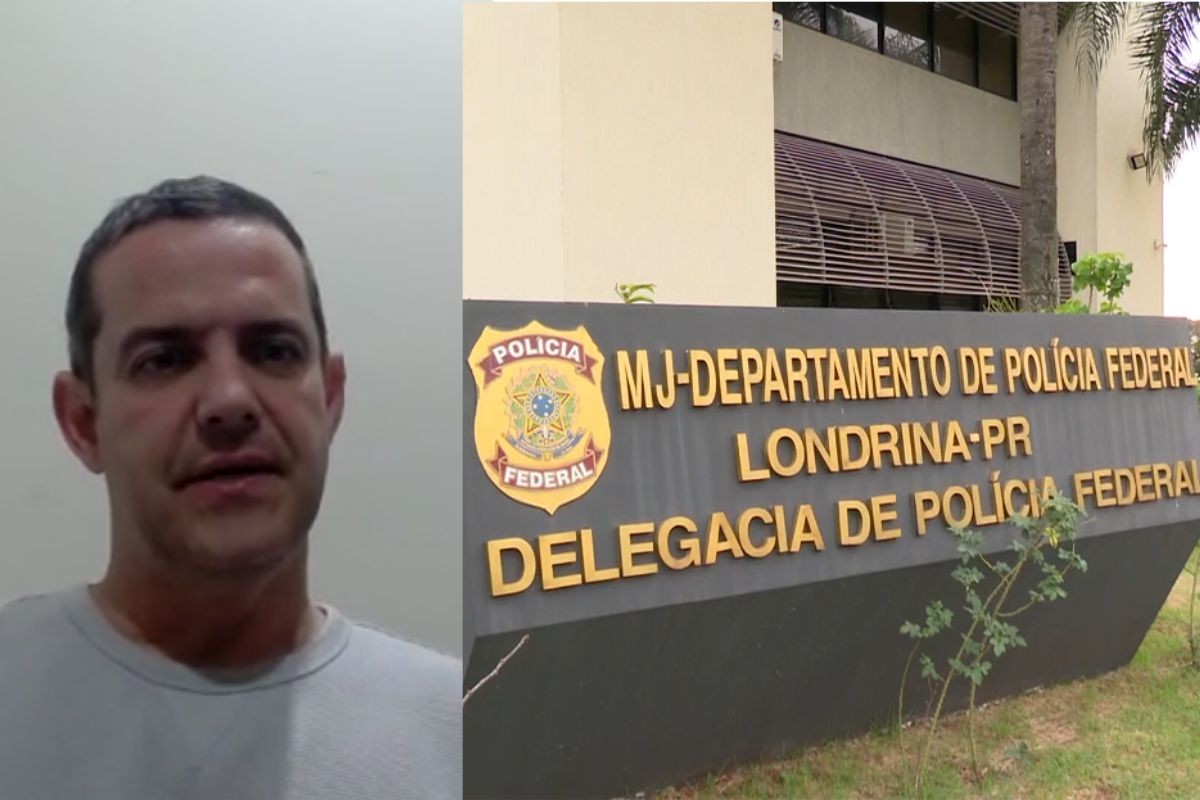
Carlos Miguel Pires Júnior, a Federal Police delegate, was detained in Londrina, Northern Paraná, on Monday, May 13th. He is accused of disrespecting Military Police officers during a roadblock and subsequently committing racial insults against employees of a car rental company. According to the Military Police, the incident began when Pires Júnior approached a roadblock and questioned its legality, expressing frustration with traffic disruptions. When asked to identify himself, he reportedly refused, stating he was on vacation and did not have his documents or official weapon. The situation escalated, with Pires Júnior allegedly making disparaging remarks towards the officers. He was initially taken to the station to sign a minor offense report but continued the argument and was subsequently detained. Shortly after being released, Pires Júnior was reported for racial insults by employees of a vehicle rental company. The employees stated that the delegate insulted them based on their race and skin color after being dissatisfied with the service. He was again taken to the police station, provided a statement, and released. A police inquiry has been opened to investigate both incidents. Pires Júnior's defense team stated that the facts are not as reported and will be clarified during the investigation, noting the successive nature of the allegations. The Federal Police confirmed they are aware of the occurrence and have initiated an internal procedure to investigate the facts.
This incident highlights potential issues of power dynamics and accountability within law enforcement. The alleged actions of the Federal Police delegate, if proven, suggest a disregard for public order and professional conduct. The swift detention and subsequent release, followed by rearrest on different charges, indicate a complex legal process unfolding. It raises questions about the protocols for handling alleged misconduct by officials and the effectiveness of initial responses. Examining the incentive structures that might encourage or permit such behavior, and the oversight mechanisms in place, could offer insights into preventing future occurrences and ensuring equitable application of the law for all citizens, regardless of their role or background.
AI-generated to prompt reflection — not editorial opinion, not advice, not a statement of fact. How this works.