Federal Police Probed Over Missing, Damaged Artworks from Minas Gerais Governor's Palace
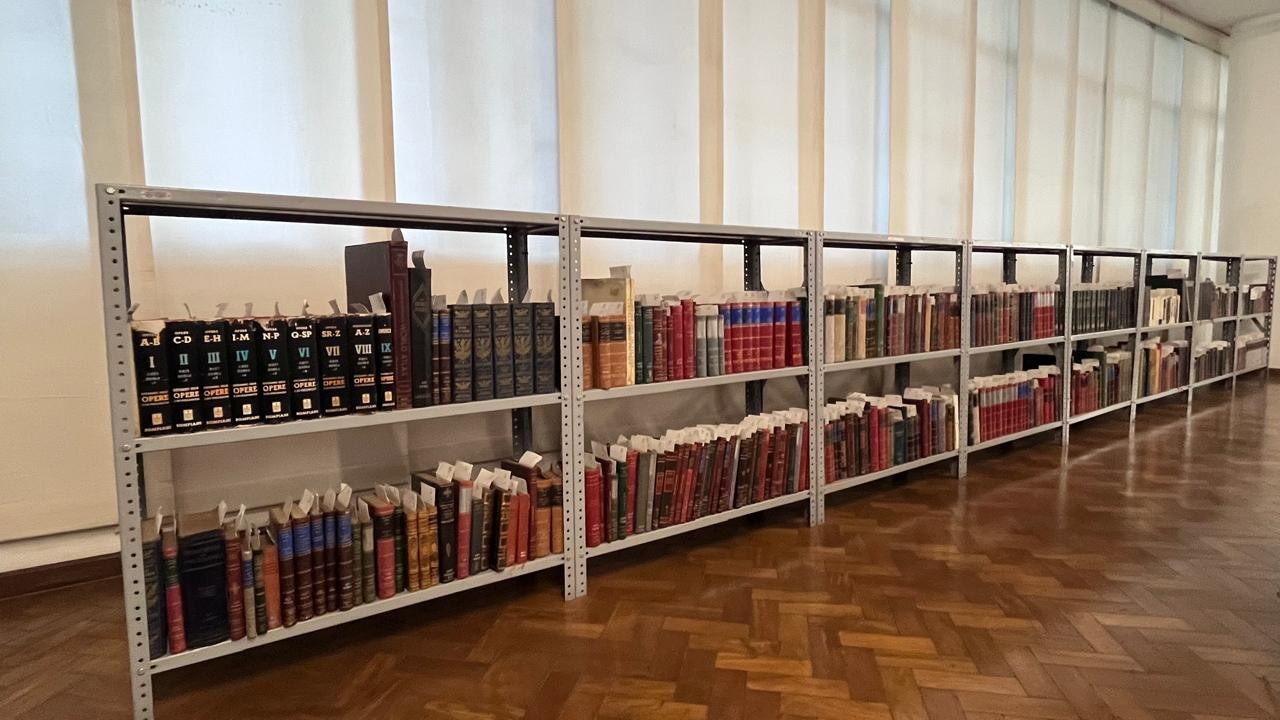
The Federal Police have been alerted to a potential disappearance and deterioration of artworks and furnishings from the Palácio das Mangabeiras, the former official residence of Minas Gerais governors. A criminal complaint, filed on Monday, cites alleged crimes against public and cultural heritage, naming former Governor Romeu Zema and current Governor Mateus Simões. Despite the complaint, opposition lawmakers state that the state has not provided a public inventory of the 294 items removed from the palace, a matter already under review by the Minas Gerais Court of Accounts. A screen by Emiliano Di Cavalcanti, considered one of the collection's most valuable pieces, has been located at the Palácio da Liberdade, and books from the palace library are now housed at the State Public Library. However, concerns remain about the overall accountability for the collection. The complaint details that the palace, designed by Oscar Niemeyer, ceased being a governor's residence in 2019 under Zema's directive and was subsequently used for private events. Recent inspections by the Minas Gerais Legislative Assembly's Culture Committee in July 2026 reportedly found only five original furniture pieces. The Secretary of State for Culture and Tourism, Leônidas Oliveira, admitted in 2020 that 44 artworks, including pieces by Tarsila do Amaral and Di Cavalcanti, were stored improperly by the Military Police, leading to damage. The Federal Police's involvement is requested due to the Union's interest in protecting Brazilian cultural heritage, as the palace is part of a landscape complex protected by IPHAN. The complaint also argues for federal jurisdiction because it involves authorities with special jurisdiction in the Superior Court of Justice.
This situation highlights systemic challenges in the stewardship of public cultural heritage, particularly during transitions of official residences and changes in governance. The alleged mishandling and disappearance of valuable assets raise questions about accountability frameworks, inventory management protocols, and the effectiveness of oversight bodies like the Court of Accounts. The involvement of federal authorities suggests a potential gap in state-level capacity or a perceived need for impartial investigation, given the involvement of high-ranking officials and the cultural significance of the assets. Future governance models for such heritage sites could benefit from enhanced transparency, robust digital inventory systems, and independent curatorial oversight to mitigate risks of damage, loss, and potential misuse, especially as these assets are increasingly exposed to commercial or private use.
AI-generated to prompt reflection — not editorial opinion, not advice, not a statement of fact. How this works.