Federal Prosecutors Demand Reopening of Sole Indigenous Agency Unit in Piauí
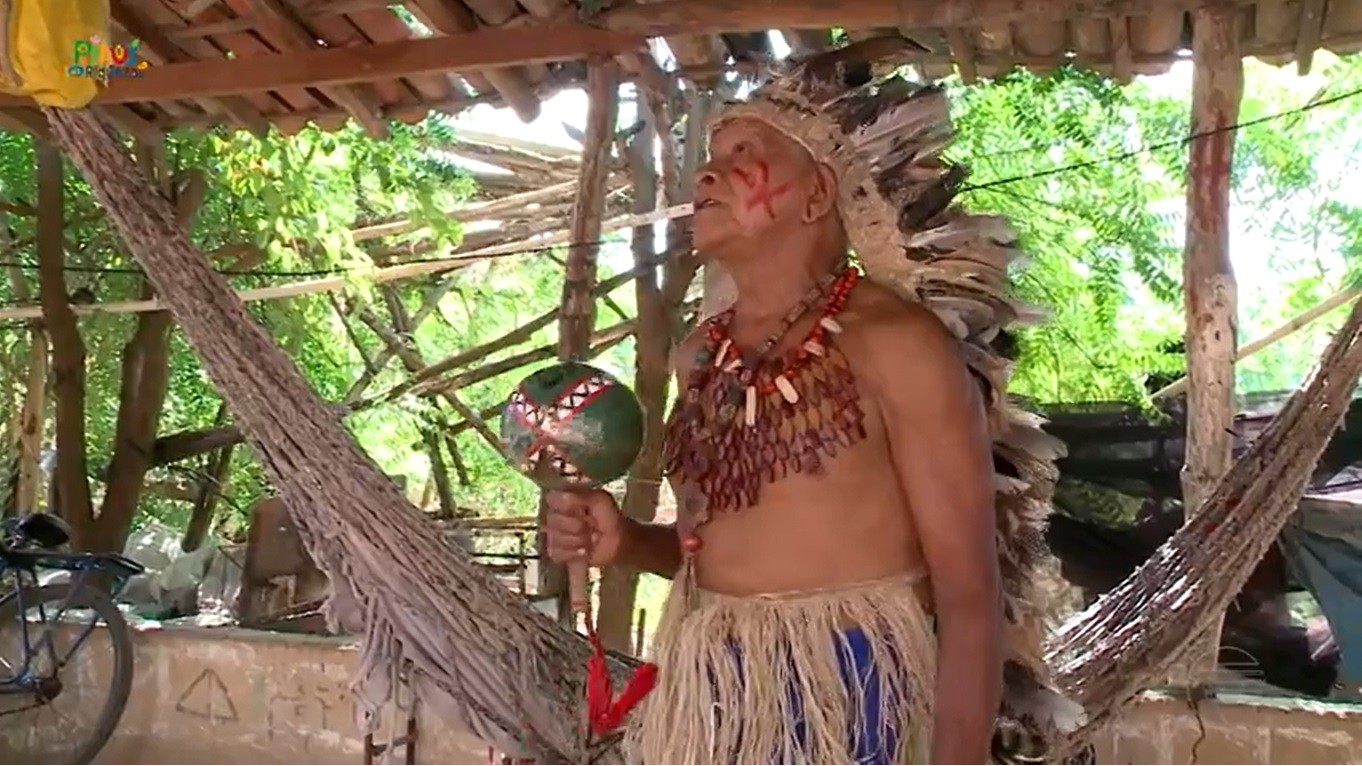
Federal Public Prosecutors (MPF) have urged a court to compel the federal government and the National Indian Foundation (Funai) to reopen its unit in Piripiri, located in northern Piauí state. This unit, which served as Funai's sole representation in Piauí, has been closed since 2017. The MPF's request, filed on Saturday, follows the failure to comply with a 2023 ruling by the Regional Federal Court of the 1st Region (TRF1) that ordered the unit's reinstatement. Since the closure of the Piripiri Local Technical Coordination (CTL), indigenous peoples in Piauí have been served by units in Ceará, first in Crateús and currently by the regional coordination in Fortaleza, often remotely. The TRF1 ruling mandated the unit's reopening within 90 days, with a daily fine of R$50,000 for non-compliance. As of Tuesday, the accumulated fine reached approximately R$44.55 million. The MPF clarified that the objective is to ensure the unit's operational status, not to collect the penalty. According to Funai data cited by the MPF, over 1,600 indigenous families from seven ethnic groups reside in Piauí, spread across 39 communities in 12 municipalities. The 2022 IBGE Census recorded 7,202 indigenous individuals in the state. Notably, 97.56% of identified indigenous localities in Piauí are situated outside officially recognized indigenous lands, and Piauí is one of only two Brazilian states without a demarcated indigenous territory.
The prolonged closure of Funai's sole unit in Piauí highlights significant governance challenges in ensuring federal support for indigenous populations. The substantial accumulated fines underscore a systemic failure to implement judicial directives, potentially stemming from bureaucratic inertia, resource allocation disputes, or differing policy priorities between federal agencies and the judiciary. This situation raises questions about the effectiveness of inter-agency coordination and the enforcement mechanisms for protecting indigenous rights. Looking ahead, the ongoing lack of demarcated lands and the reliance on remote services for over 1,600 families suggest a vulnerability in the current framework, potentially hindering long-term development and cultural preservation efforts for these communities in the face of evolving societal and environmental pressures.
AI-generated to prompt reflection — not editorial opinion, not advice, not a statement of fact. How this works.