Federal Public Ministry Investigates Illegal Mining in Indigenous Territory
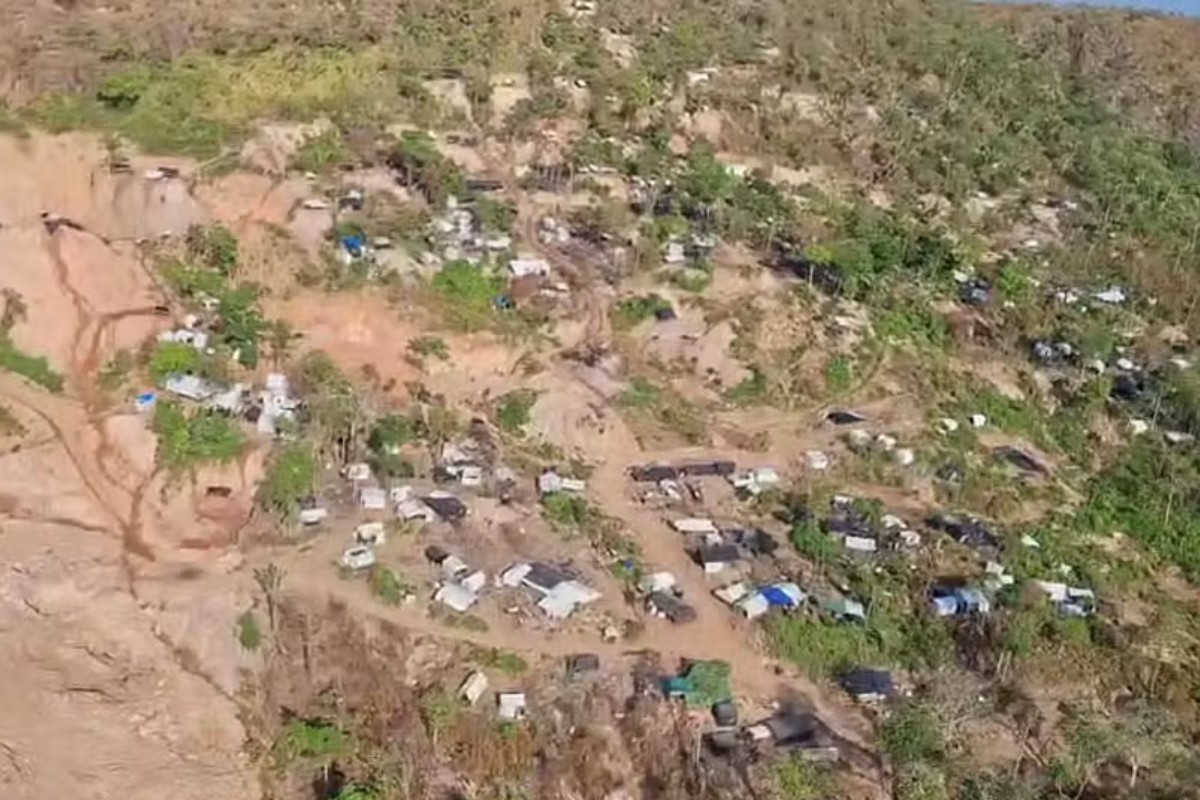
The Federal Public Ministry (MPF) has opened an inquiry to investigate irregular mineral exploration on private property within the Sararé Indigenous Territory in Vila Bela da Santíssima Trindade, Mato Grosso. This action was prompted by an infraction notice from Ibama, which cited A. C. M. for conducting potentially polluting mining activities in the area without the necessary environmental permits.
The MPF, led by Federal Prosecutor Guilherme Fernandes Ferreira, emphasized that the Brazilian Federal Constitution guarantees the right to an ecologically balanced environment and holds individuals responsible for environmental damage in administrative, civil, and criminal capacities. The Ministry also noted that environmental damage liability is objective, meaning fault does not need to be proven.
In addition to investigating Ibama's findings, the MPF is considering a Conduct Adjustment Agreement (TAC) with the individual. The prosecutor has ordered the drafting of a proposed agreement and the scheduling of a pre-judicial hearing to discuss and potentially formalize this commitment.
This inquiry into unlicensed mining within an indigenous territory highlights the ongoing tension between resource extraction and environmental protection, particularly in ecologically sensitive and legally protected areas. The MPF's intervention, triggered by an Ibama infraction, underscores the regulatory framework designed to safeguard indigenous lands and the environment. The concept of objective liability for environmental damage suggests a strict legal approach, shifting the burden of proof and emphasizing accountability regardless of intent. The potential for a Conduct Adjustment Agreement indicates a procedural avenue for remediation and compliance, reflecting a system that balances punitive measures with opportunities for resolution. Looking ahead, such cases will likely become more frequent as demand for resources intensifies and scrutiny over environmental and indigenous rights grows, necessitating robust governance and enforcement mechanisms to navigate these complex intersections.
AI-generated to prompt reflection — not editorial opinion, not advice, not a statement of fact. How this works.