Federal Public Ministry Seeks Action Against Irregular Sewage Discharge into Paraíba Coast Rivers
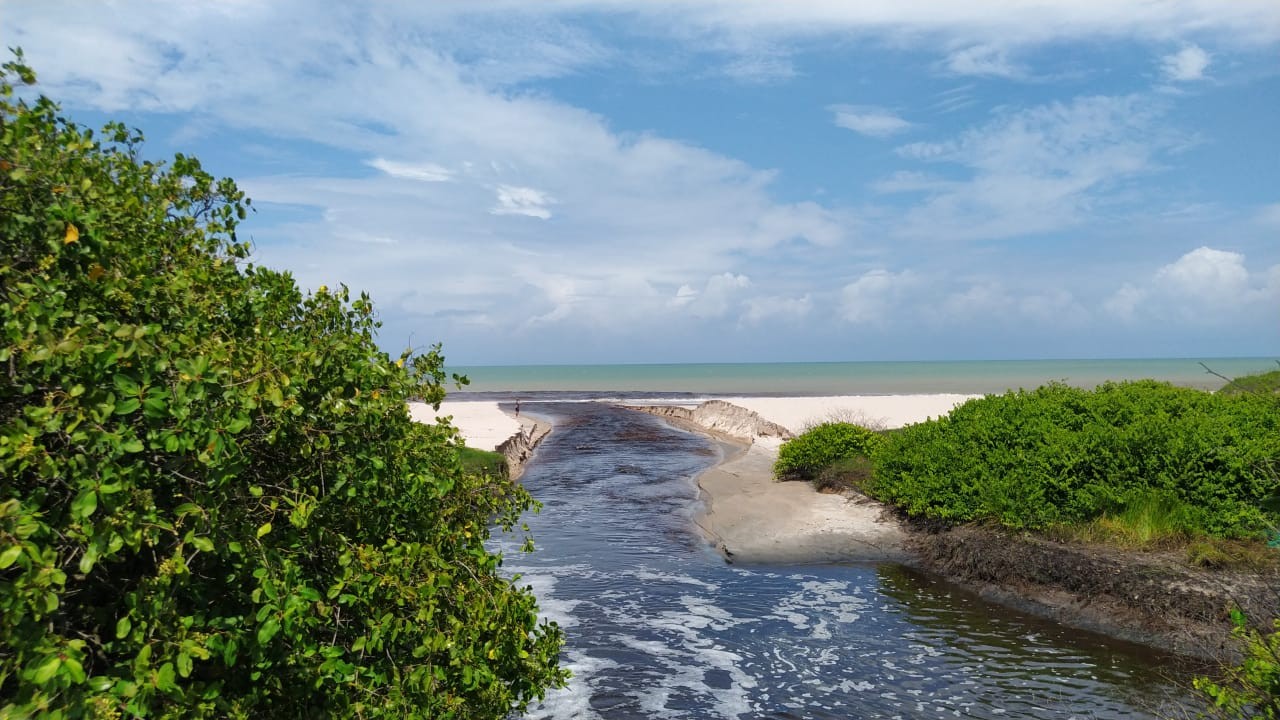
The Federal Public Ministry in Paraíba (MPF-PB) has requested measures to halt the irregular dumping of sewage and solid waste into rivers that flow into the Paraíba state's coastal area. This directive has been forwarded to the State Public Ministry of Paraíba (MPPB) for investigation into these potential illegal discharges, as announced on Wednesday, May 22nd. The MPF-PB's representation highlights that communities situated along rivers such as Jaguaribe, Cabelo, and Aratu, all within the state's coastal region, are directly discharging domestic sewage and waste into these waterways due to a lack of sanitation infrastructure. The Federal Public Ministry also noted that recovering the watersheds that feed into the ocean is a crucial step in combating marine pollution stemming from these irregular discharges. Among the proposed actions, the MPF suggests that the municipality of João Pessoa and the Superintendence of Environmental Administration (Sudema) conduct a diagnostic study of riverside communities across the capital's eight watersheds. This assessment would aim to identify the number of families and residents, duration of occupation, land tenure status, existing sanitation infrastructure, and an estimate of the sewage load entering the rivers. Additionally, the MPF has requested the Paraíba Water and Sewerage Company (Cagepa) to present a study on the feasibility of expanding the sewage collection network to these communities, considering technical challenges like terrain or tidal influences. The MPF also outlined provisional measures that can be implemented while permanent solutions are developed, including Nature-Based Solutions (NBS) like constructed wetlands at river mouths, green pits, and biodigesters for decentralized sewage treatment. Other suggested temporary measures include bioretention swales and rain gardens to manage diffuse pollution and living barriers to prevent solid waste from reaching riverbeds. The MPF considers the immediate relocation of communities an unviable solution, advocating for the protection of water resources to be balanced with the right to housing and the state's obligation to expand basic sanitation access.
This situation underscores a systemic challenge in urban development where inadequate sanitation infrastructure directly impacts natural water bodies and coastal ecosystems. The MPF's intervention highlights a governance gap, prompting a multi-agency response to address both immediate pollution and long-term infrastructure needs. The proposed nature-based solutions offer a pragmatic approach to mitigate pollution in the interim, acknowledging the complexities of relocating established communities. Moving forward, a sustainable strategy will require integrated urban planning that prioritizes sanitation development alongside housing and economic growth, ensuring that environmental health is not a casualty of development. The focus on watershed recovery and expanded sewage networks points towards a necessary shift towards more resilient and equitable public services, crucial for adapting to future environmental and demographic pressures.
AI-generated to prompt reflection — not editorial opinion, not advice, not a statement of fact. How this works.